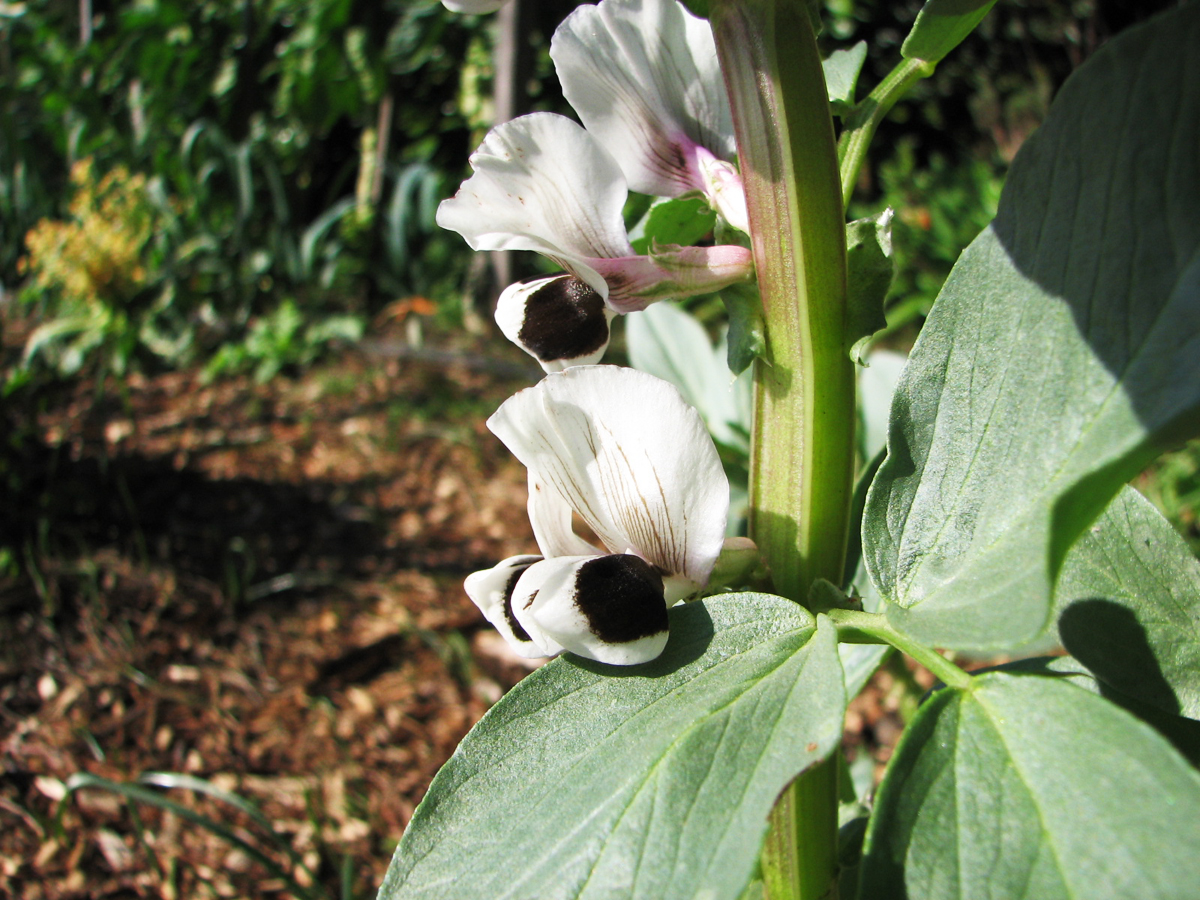
EVERY GARDEN NEEDS SOME SPRING CLEANING and there are no exceptions here. The biggest job looming over me has been the vegetable garden. Pulling out the bolted and blooming brussels sprouts, cabbages and carrots that were part of the fall and winter garden was long overdue. Beets and swiss chard are near to bolting and weeds have sprouted a plenty since the last weeding before our trip in March. The endive and escarole are beautiful and full now and should nearly tide us over until new lettuce is ready. The garlic looks great and the fava bean plants are beautiful and plentiful–we can hardly wait until late May when the first pods will be ready to pick. Vegetable gardening is in the blood, I guess. Grandma T always had a very large one and Grandma Aggie always had something growing in her small side garden, including horseradish, which she dearly loved. My late (first) mother-in-law, Helen was my tutor and mentor for the first vegetable garden I ever planted–a whopping 40ft x 60ft garden planted with canning in mind.
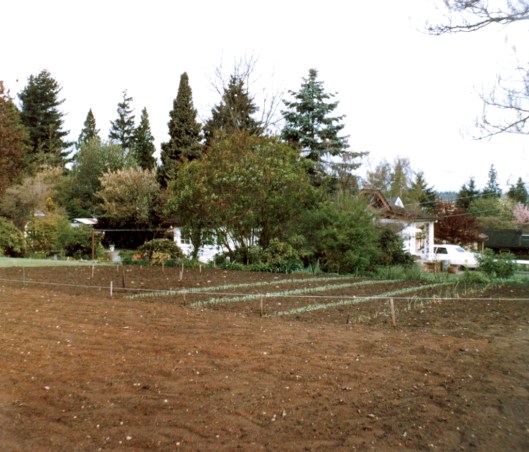
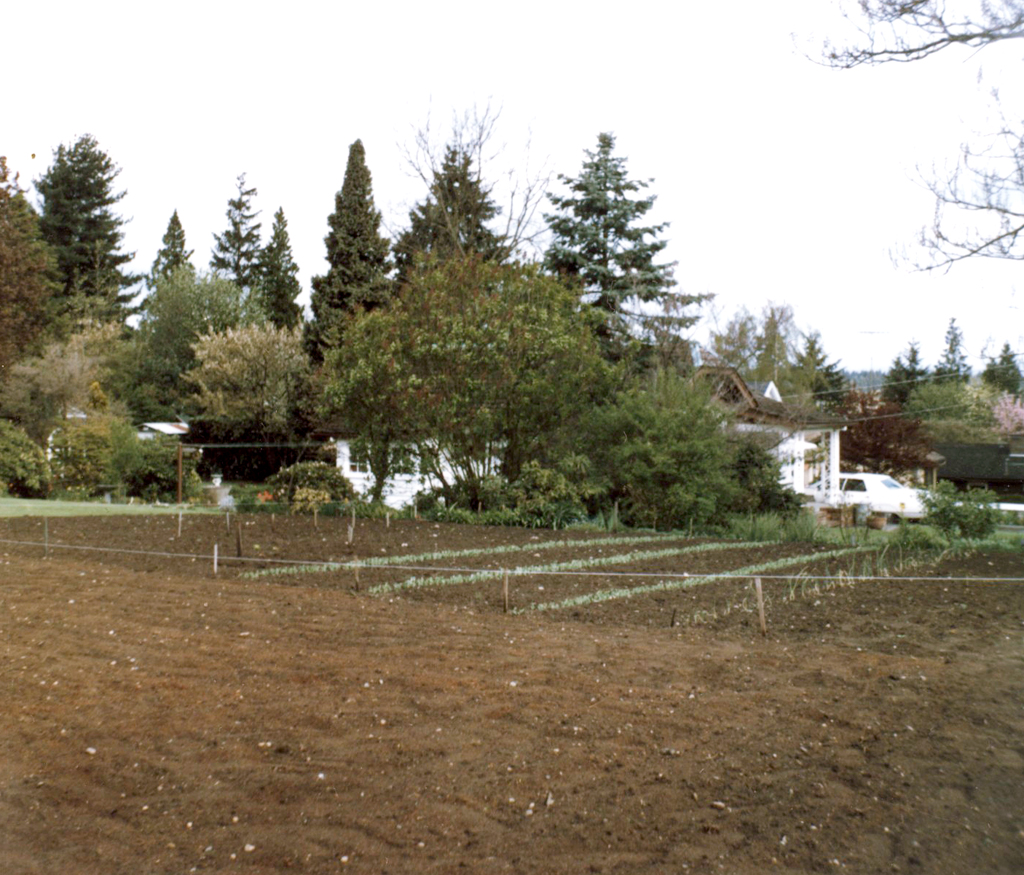
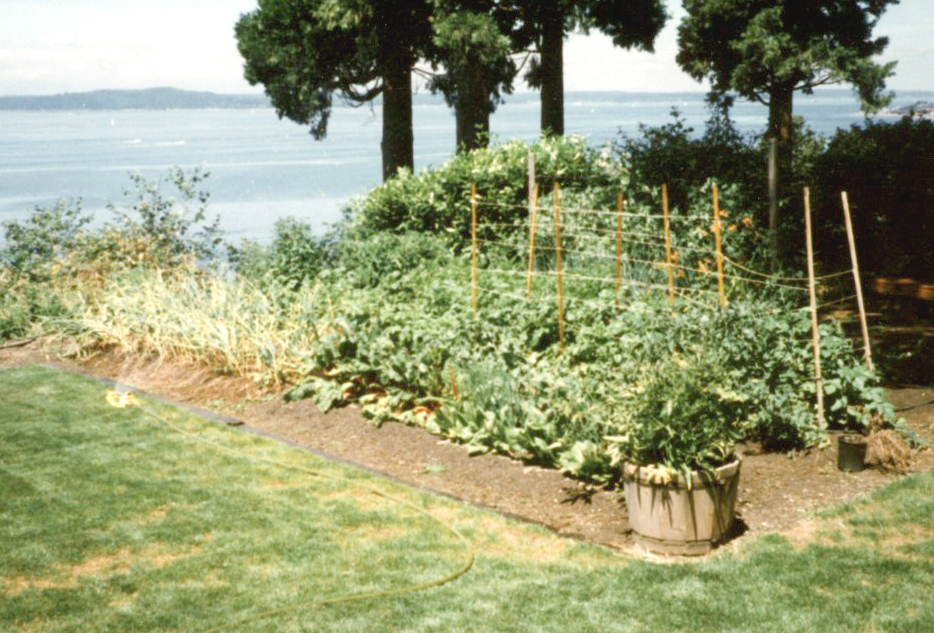
Grandma T’s vegetable garden ready for planting in 1982 was nearly two city lots in size. While I was growing up the upper portion had a Yellow Transparent apple tree, peach tree, raspberries (kept to the end), logan berries, and gooseberries. The peach tree eventually came down, the gooseberries came out because they were ‘buggy’ and finally the logan berries went away. She always planted peas (which we sneaked into and then got yelled at), corn, tomatoes, beats, carrots, onions, etc. My grandfather got a couple of loads of horse manure every year and tilled the garden for her. It is hard to believe that she was still planting a garden of this size at the age of 75! She fed her family from this plot of land for more than fifty years.
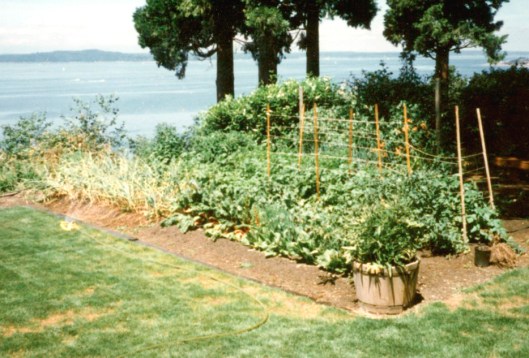
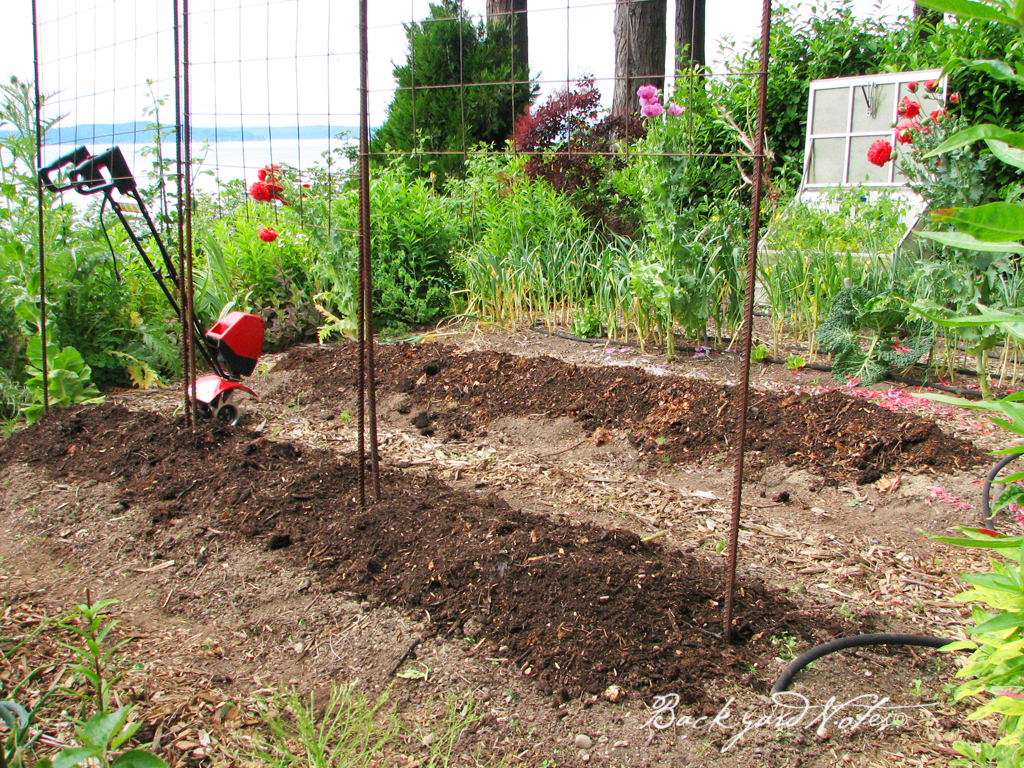
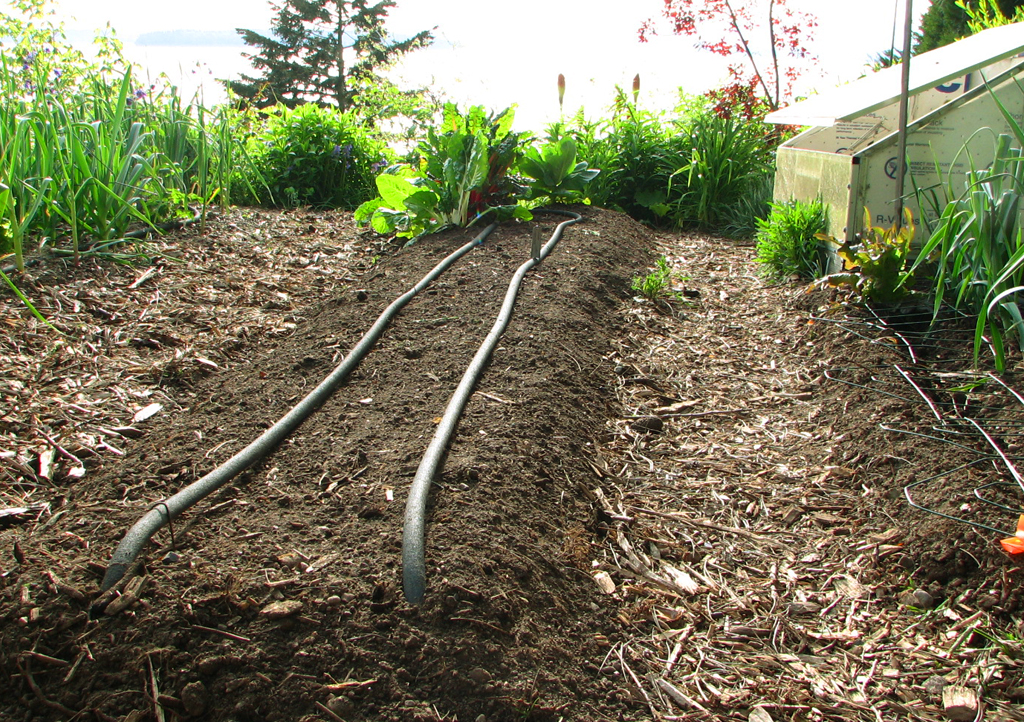
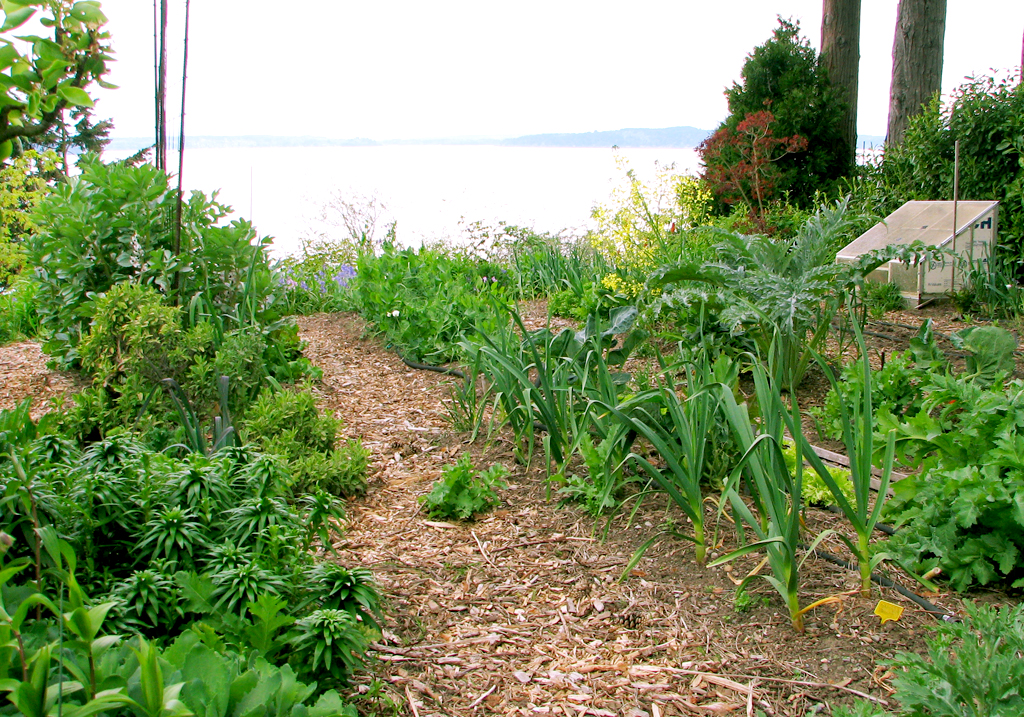
My initial garden here in West Seattle was smallish when first laid out in 1993 and is loosely designed on the principles described in Better Vegetable Gardening: Peter Chan’s Raised Bed System the Chinese Way, first published in 1977 and an excellent book. My vegetable garden has evolved considerably since then. Today’s vegetable garden area is about 25ft x 20ft. There are four 15ft long x 2.5ft wide beds and four 8ft long ones; they are oriented east to west. The one below is ready for planting. I couldn’t bear to pull out the Swiss chard just yet! I add chicken manure, veg fertilizer and compost to each bed before tilling. I no longer turn the soil by hand after a bout of sciatica several years ago. Now the beds are turned with the help of the Mantis, a great little electric tiller just the right size for these beds. All the beds have black rubber soaker/drip hoses and the paths between are covered with wood chips to keep feet clean over the wet winter. The wood chips need replacing about every three years.
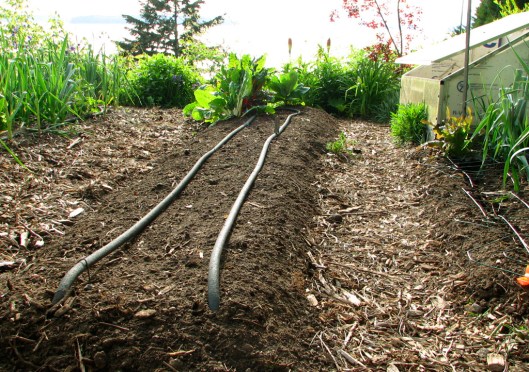
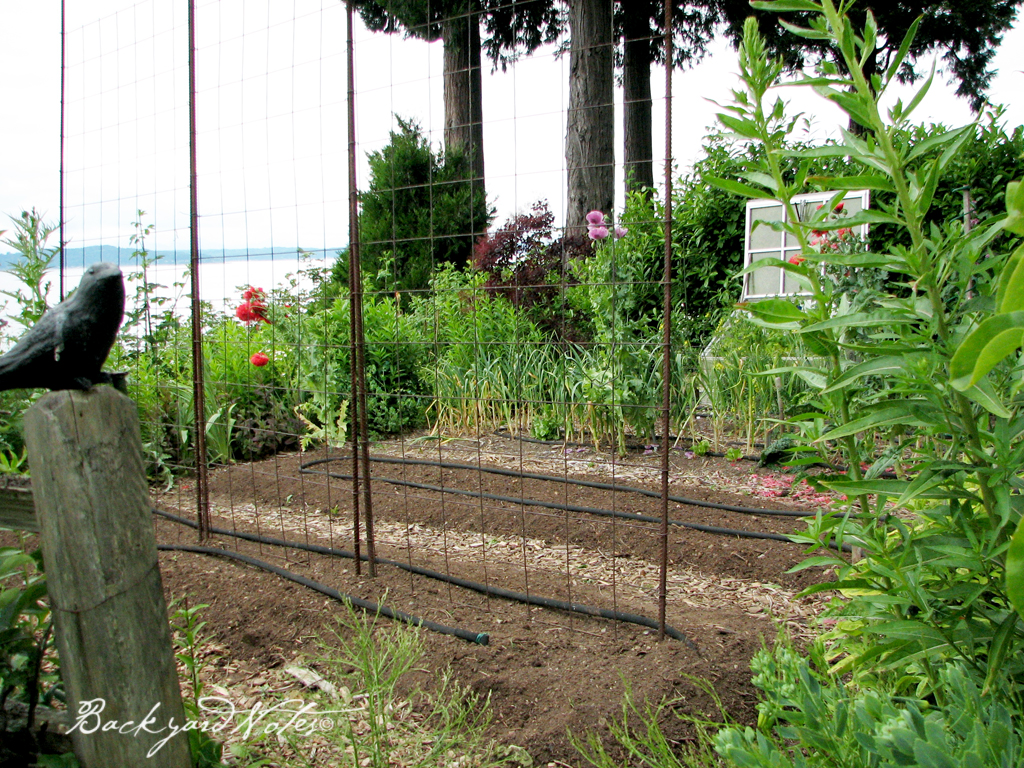
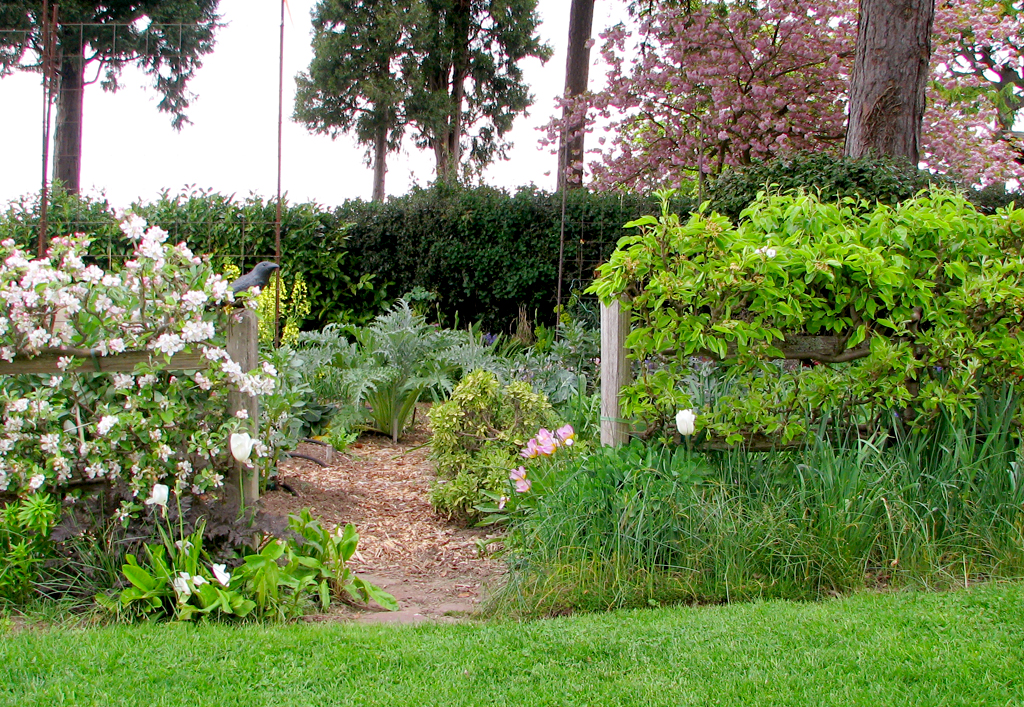
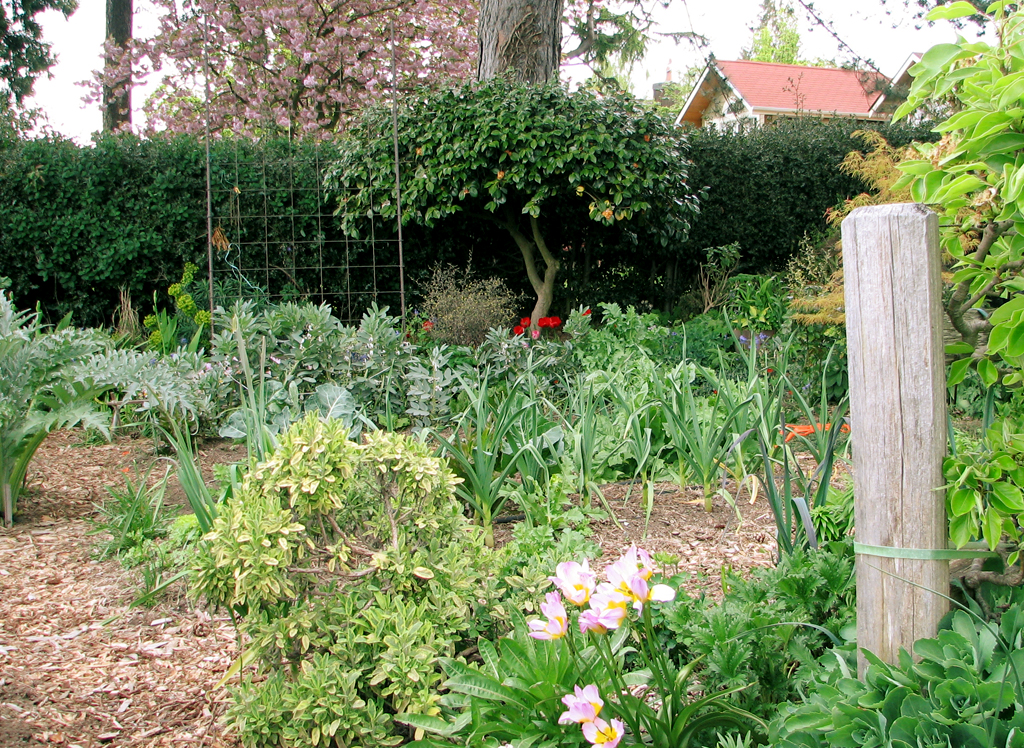
The vegetable garden is on the north edge of the property and bounded on the west by a perennial bed and the house, on the south by espaliered apple and pear trees. To the west is the edge of a slope. As you can see, we having some outstanding overcast weather.
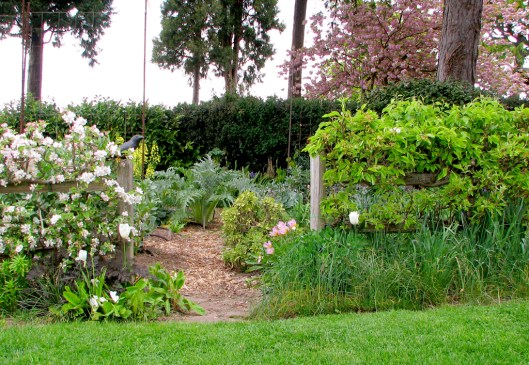
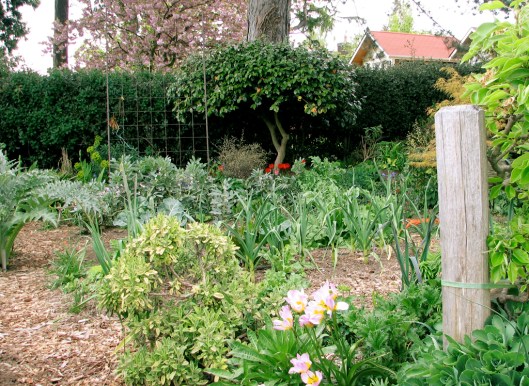
North view
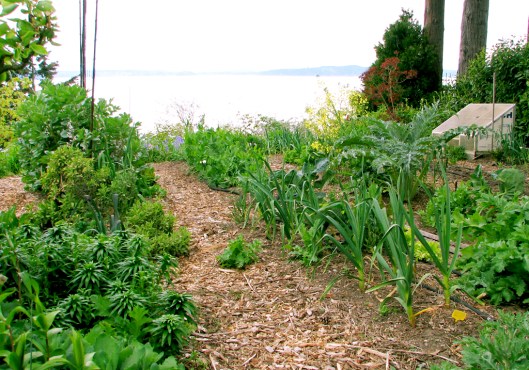
West view
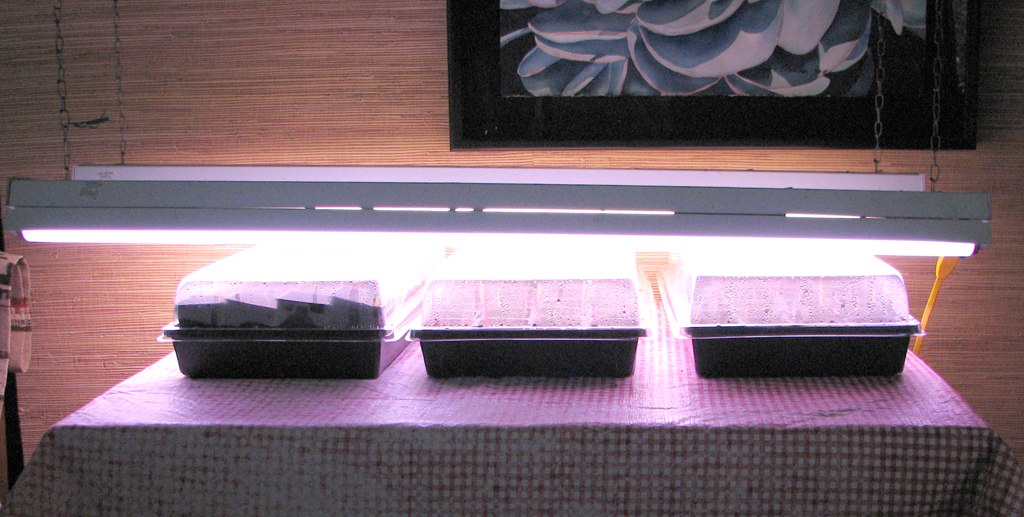
Every year is full of decisions. What worked last year, what’s new to try this year? I always look forward to starting tomatoes and peppers! When the last tomatoes plants are pulled from ground in October (if we are lucky) we have period of mourning–no tomatoes until next August! By February the longing begins and we dream of sweetly ripened tomatoes, warmed by the sun. Each year I like to try one new one and leave the poor performers behind. This year I started my seeds a tad late, on April 10th. I have started them as early as February (too early) and as late as the third week in April (a little late). By the end of May they have been in the cold frame for a couple weeks, hardened off and ready to go into the ground once overnight temperatures are 5o°, which around here is not usually before June. By that time, the favas are ready to harvest and then plants come out and tomatoes go in. Once the tomatoes are in the ground Tom takes over their care and maintenance.
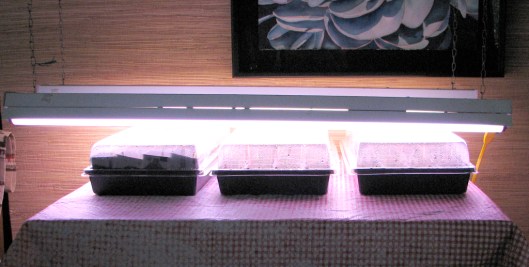
The seed starting setup.
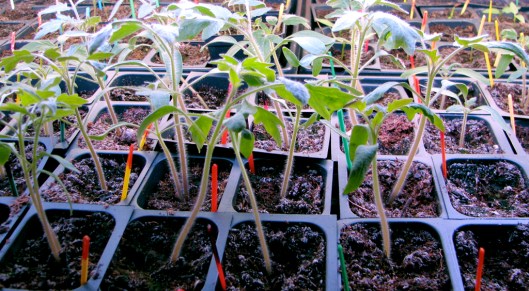
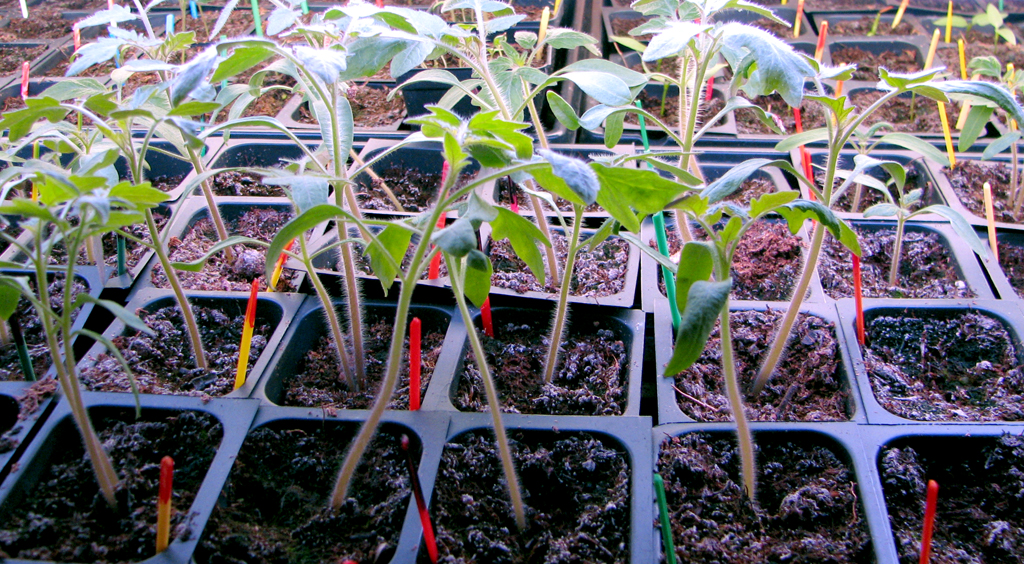
The seedlings after sixteen days.
Tomatoes are quick to germinate, usually within five-seven days; peppers up to two weeks. This year I have started twelve varieties. My favorite producers are an Heirloom German originally from Johnny’s Seeds, Yellow Flame, Aunt Ruby’s Green, and a Roma type from seed that I saved from plants that I purchased in 1995. My newest favorites are Red Pear Piriform (2006), also from Johnny’s and Japanese Black Trifele (2009) from Territorial Seed Company. Also good are cherry tomatoes Black Cherry and Sungold. We have such a short season and the first tomatoes are usually ripe mid-August if we have favorable weather.
Peppers do very well and continue to ripen well into October. Last year’s surprise was a little yellow pepper (chosen by one of my daughters), Yum Yum (Territorial), a prolific producer of sweet, sweet fruits. So many that they were turned into pickled peppers. Another wonderfully sweet, blocky, red pepper is Figaro, originally from Shepherd’s Seeds. I have saved seed since 2006 with good success. Last year the Ancho chile peppers were huge and a bumper crop to boot. I canned them using a recipe from Eugenia Bone‘s wonderful book, Well Preserved for Marinated Peppers. The flavor of these peppers six months later is a knockout!
No time for dreaming, it’s back into the vegetable garden for now.



 Backyardnotes