SUMMER IN SEATTLE, DAY TWO

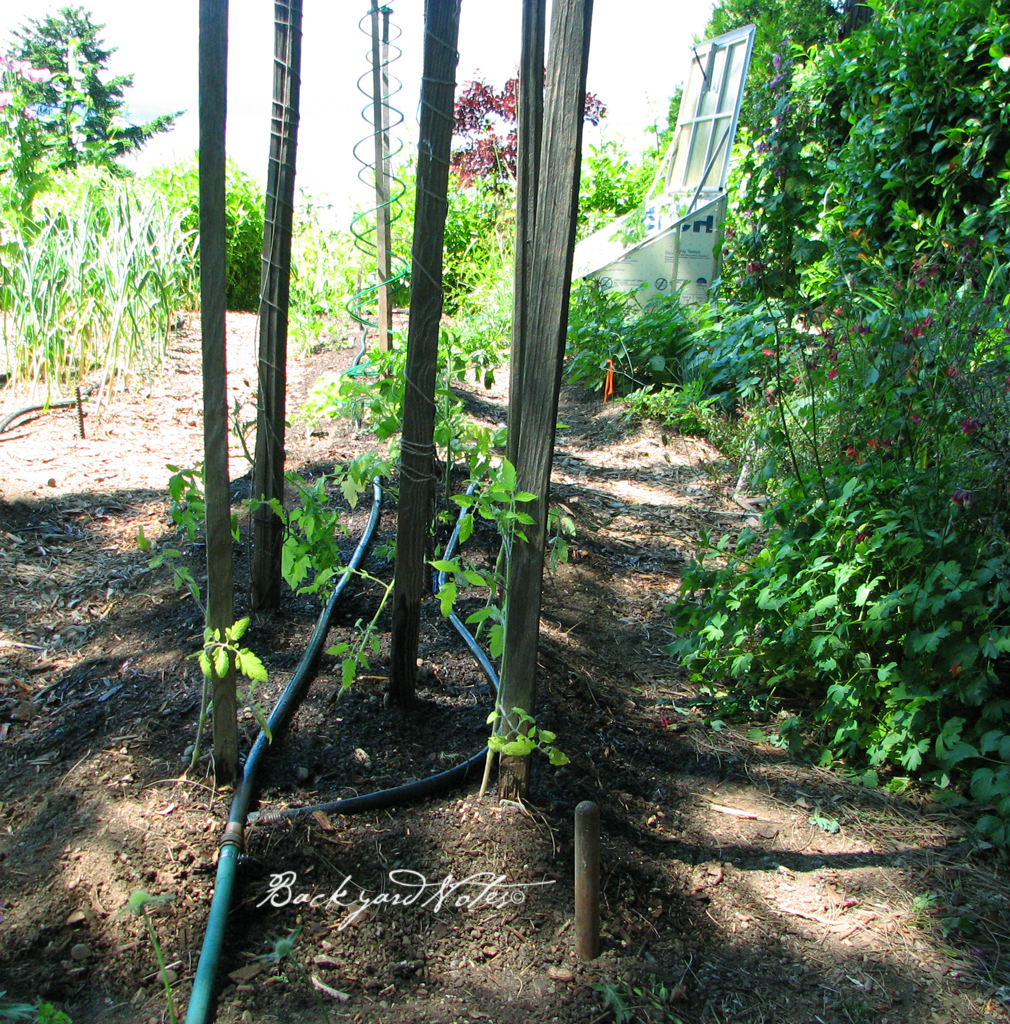
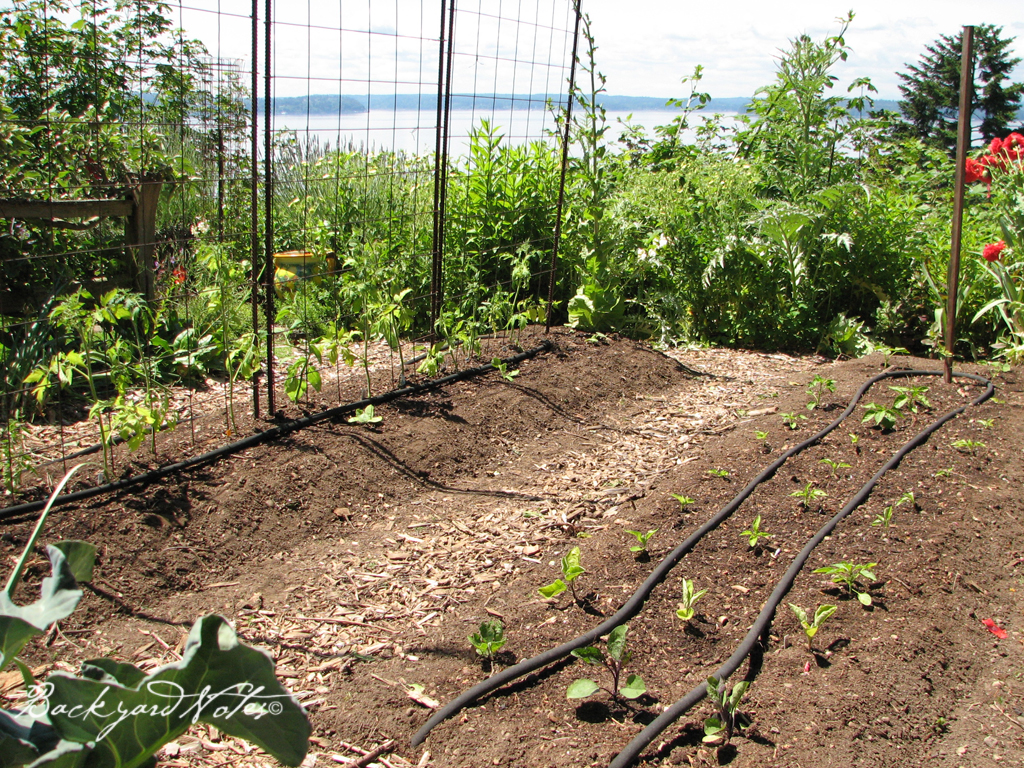
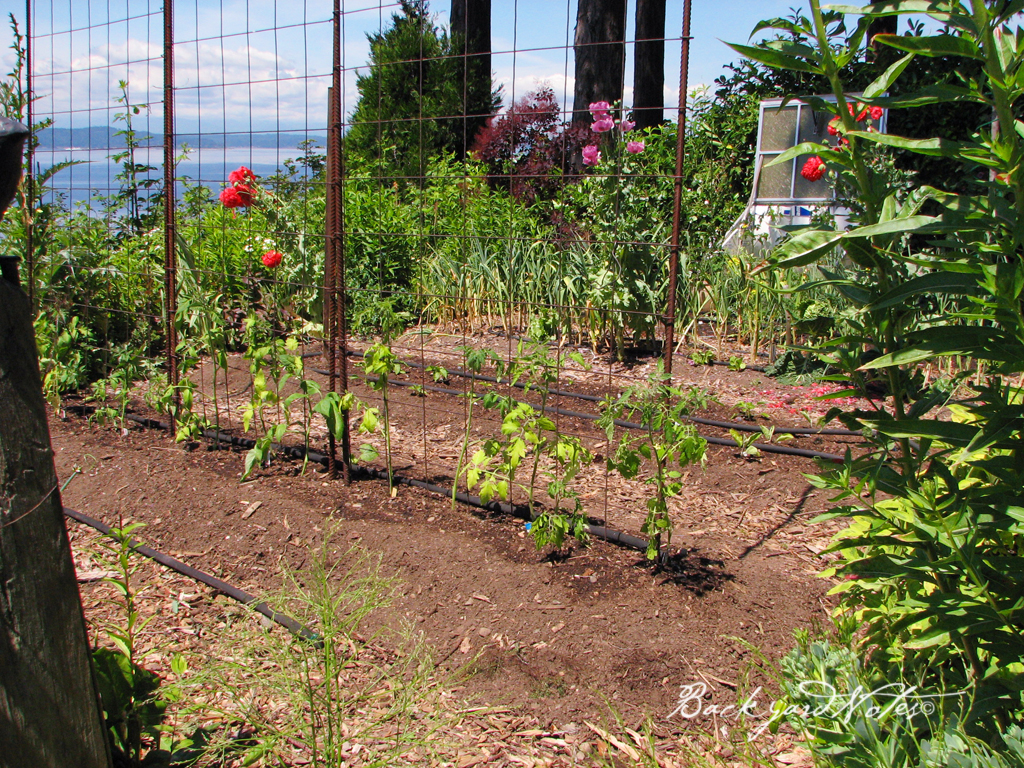
ON THE SECOND DAY OF SUMMER THE WEATHER IS FAIR AND WARM! Out into the vegetable garden around 8:00 a.m. this morning to transplant the eggplant, tomato, and pepper plants into their summer homes. Watered them all in and I was done by 11:30 a.m., another chore checked off of the list! Now the waiting begins and hope for warm weather throughout the summer.

Now I can go to Whidbey Island on Friday with a clear conscience. My friend Betty has invited me to preview the Whidbey Island Garden Tour. Betty volunteers for the event and the volunteers have Friday to preview the gardens. I have looked forward to it since Betty first invited me three years ago. I get to spend a nice afternoon with a friend I admire and see other people’s gardens. And Betty’s evolving garden too!

WHAT REALLY HAPPENED ON THE FIRST DAY OF SUMMER

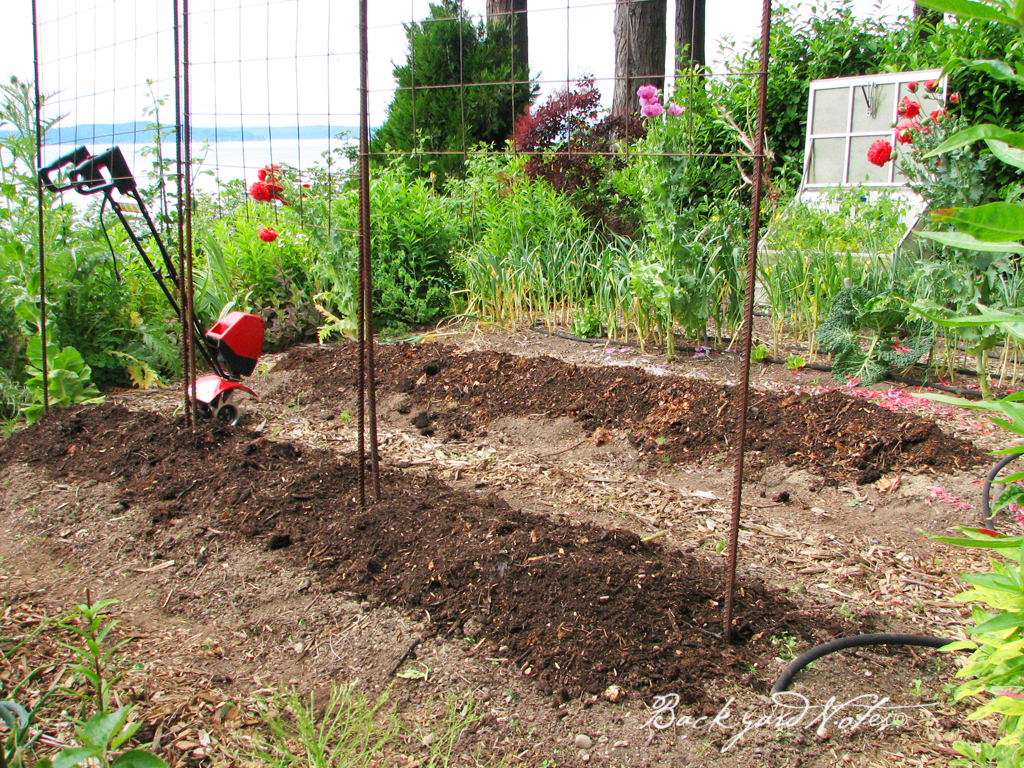
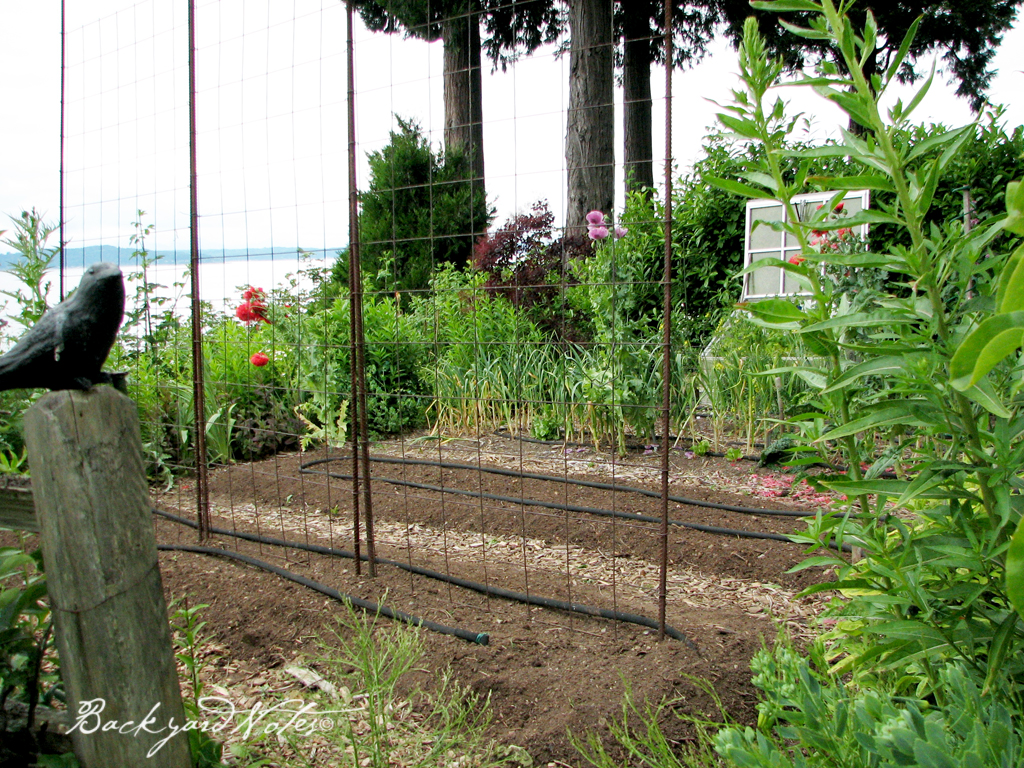
OOPS! LOOKS LIKE I WAS A DAY AHEAD OF SCHEDULE FOR THE FIRST DAY OF SUMMER. Yesterday, the sun actually appeared overhead and the clouds parted intermittently to reveal patches of blue sky. That allowed me to get the tomato beds, etc. ready to plant.

SUMMER’S HERE—JUST NOT IN SEATTLE

WELL, IT’S A TYPICAL FIRST DAY OF SUMMER HERE IN SEATTLE. Gray skies to start the day, then the rain began around 9:30. So much for yard   work. Yesterday was not much better, gray and drizzly most of the day. High of 56°—normal is 70°. Gets a bit depressing after months of the same. So we have fond wishes for summer and its warmth to arrive soon. Good news: no supplemental watering needed up to today!

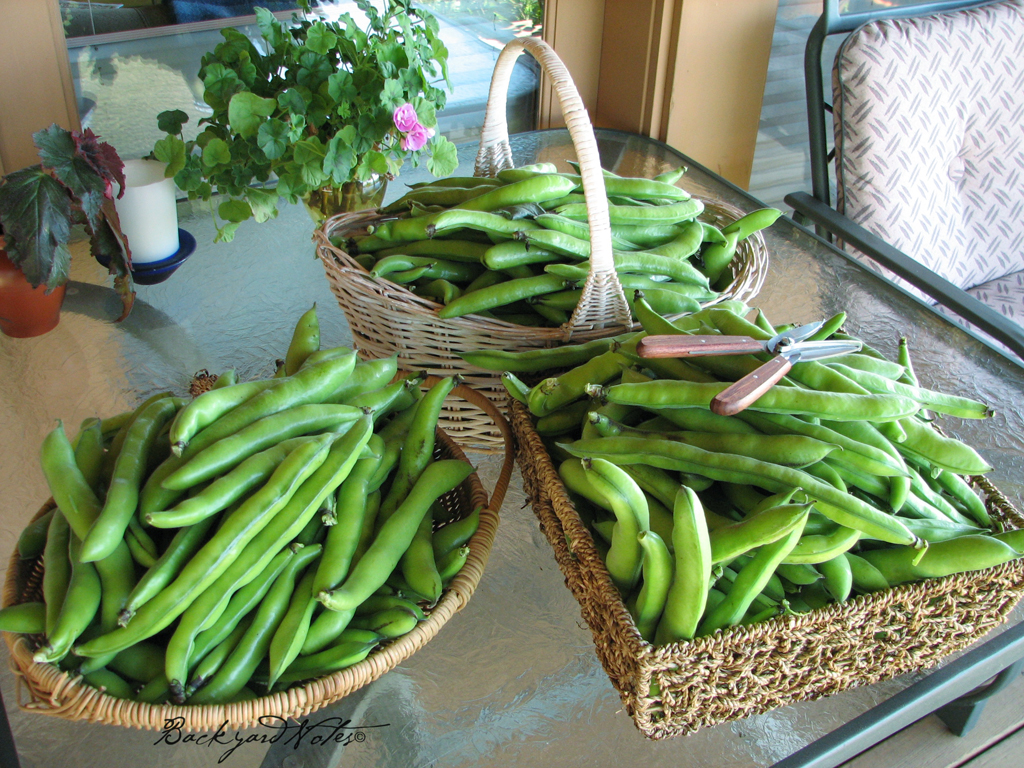
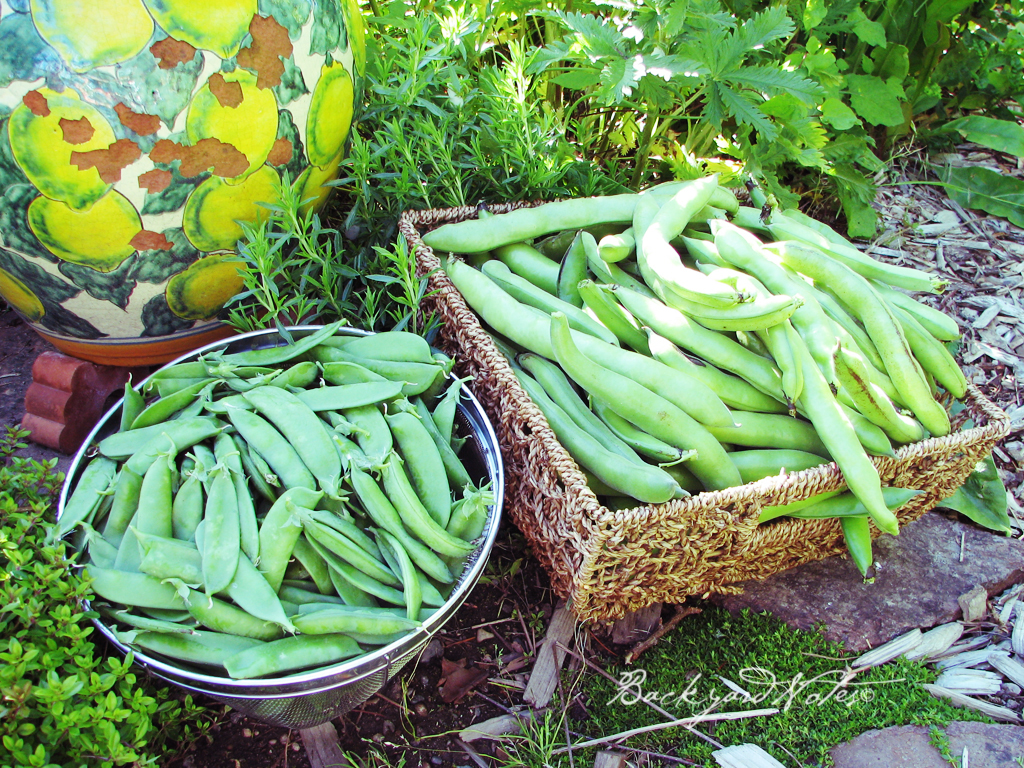
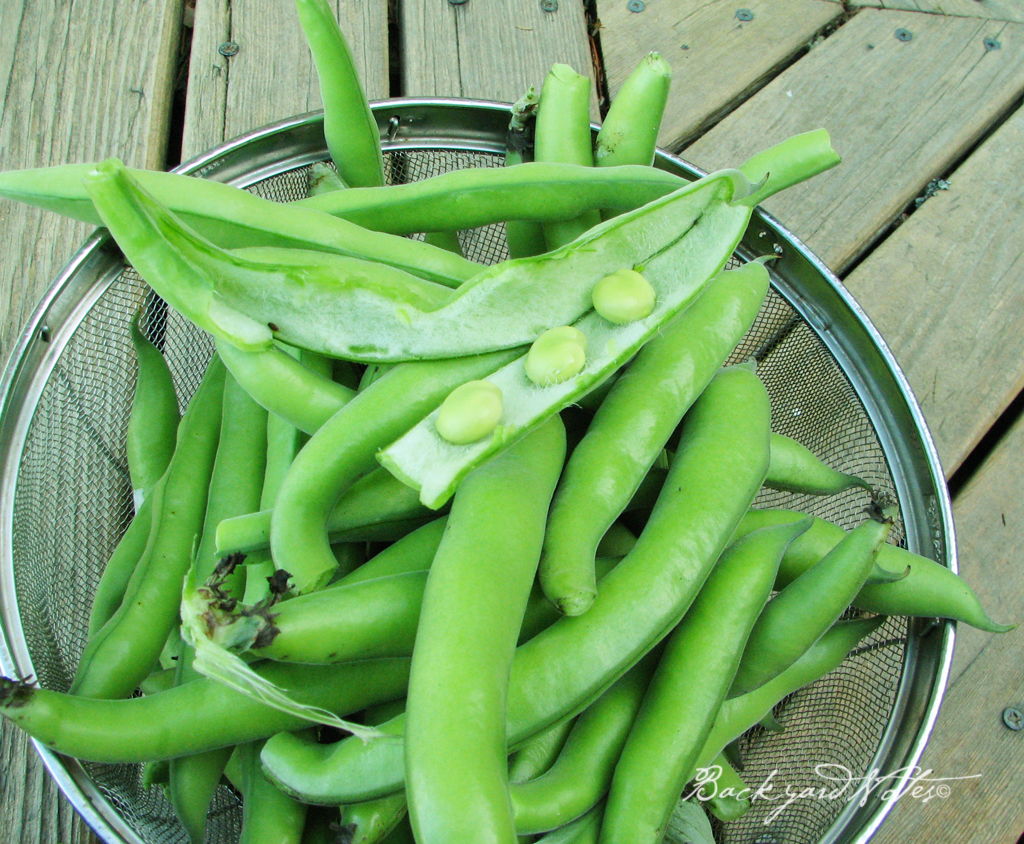
Friday was lovely and warm and I picked all of the fava beans. The vines are done flowering and producing so they all came out of the ground. The vines were six feet tall. ‘Aqua dulce’ is a heavy bearing variety with pods up to eight inches long. I will plant the same this fall. I also picked all of the peas even though these vines continue to produce flowers, although not too many so they to will be pulled up to make way for peppers, eggplant and other vegetables.

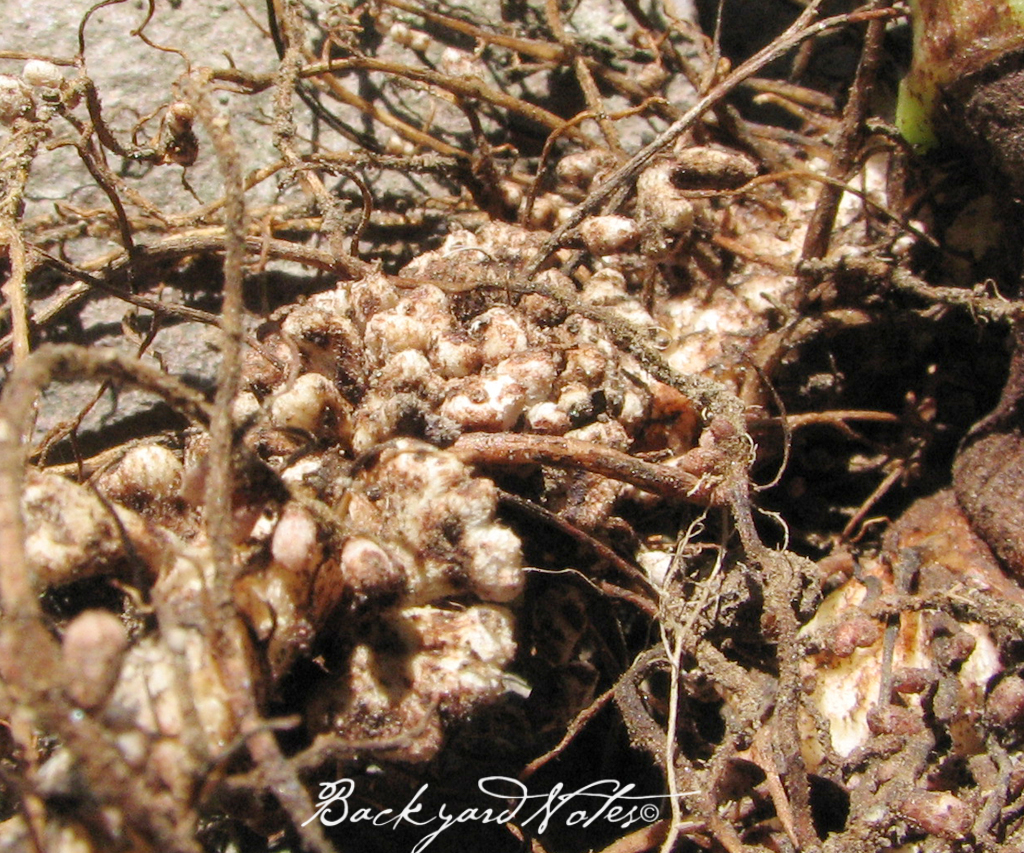
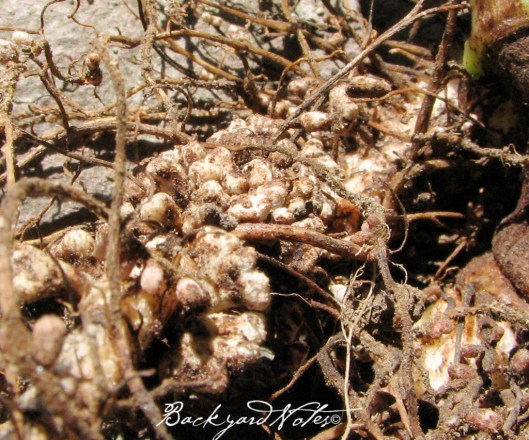
Here is what is important about planting legumes: the little nitrogen fixing nodules attached to the roots.

“Legumes do not actually make nitrates from air by themselves, but in cooperation with certain specialized soil bacteria, which form little pinkish nodules along legume roots visible to the naked eye. Without the bacteria, legumes become consumers rather than makers of nitrogen….The amount of nitrogen fixed by legumes is not inconsequential. Garden beans and peas will fix 60 to 80 pounds of nitrogen  per acre…Overwintered favas will create over 200 pounds per acre.” (Excerpted from Growing Vegetables West of the Cascades, Steve Solomon, 1989 edition.)
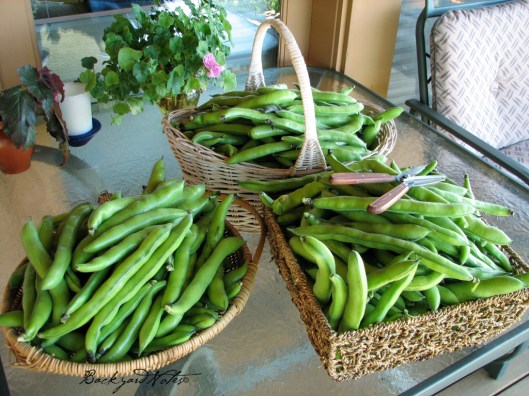
Friday’s final harvest tallies: Peas 5 pounds

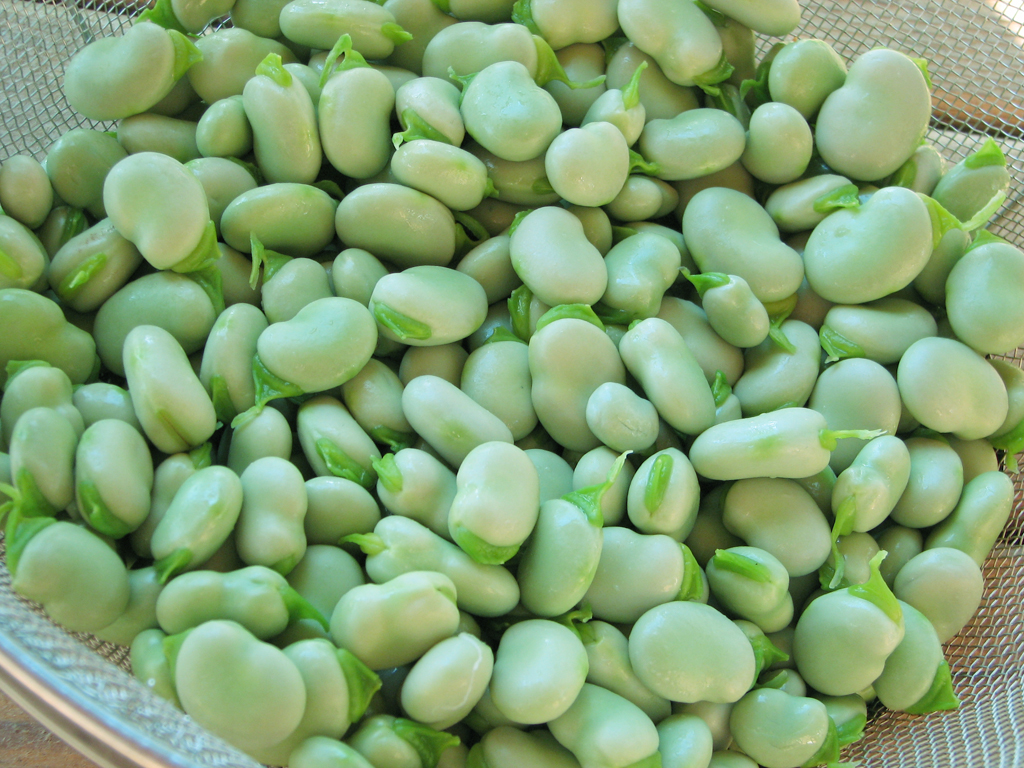
Fava beans 25 pounds in the shell, 8 lbs. 11 oz shelled. 7 pounds were blanched, plunged into cold water, dried of excess water and put in to nine pint freezer bags for later use over the winter. They will bring a touch of green spring when it is most needed.
Here is what was blooming around the garden on the Friday afternoon tour. It looks like summer on the ground, and thankfully there is color to offset the daily gray. From here on it will be weeding and deadheading for a while, pleasantly meditative chores. When I had my haircut a couple of days ago the stylist imparted these words of wisdom, “chores bring enlightenment”, I really like that.
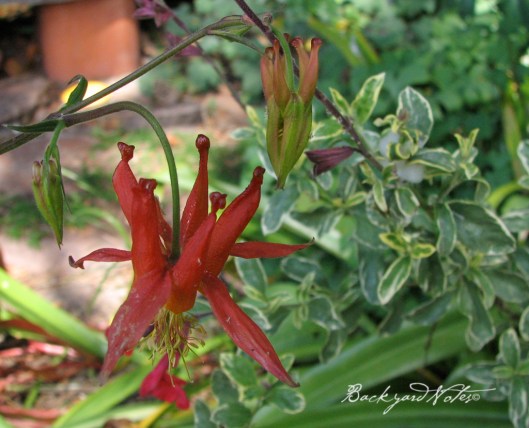
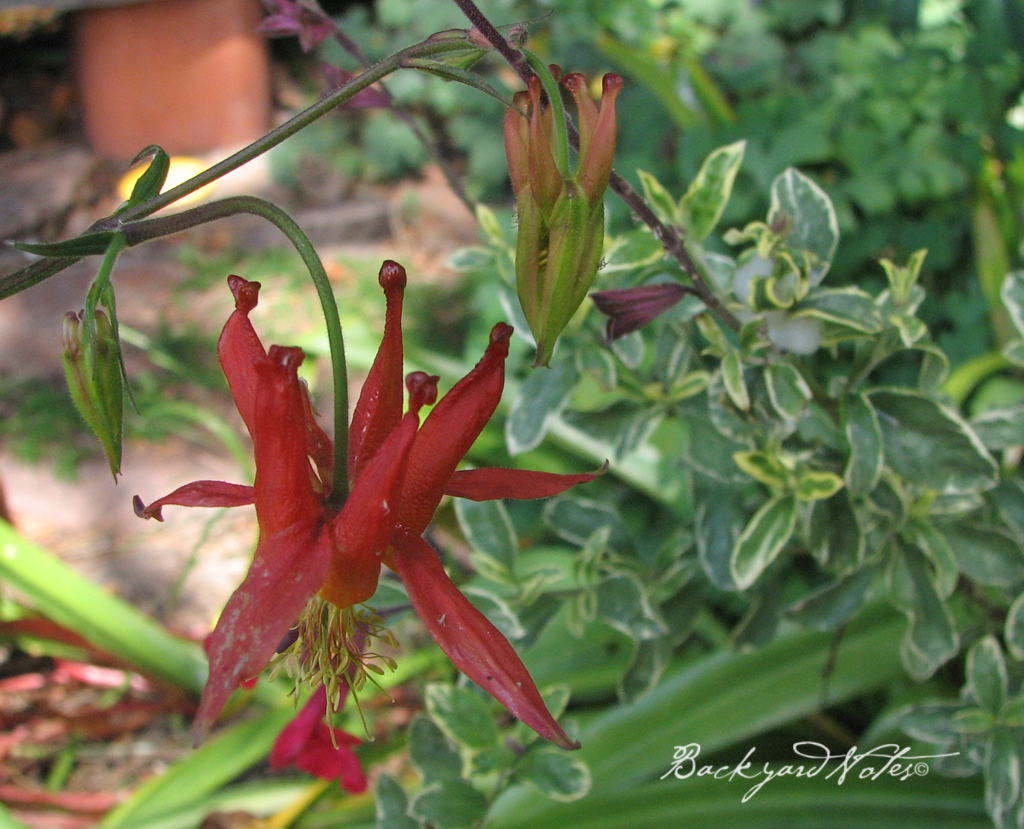
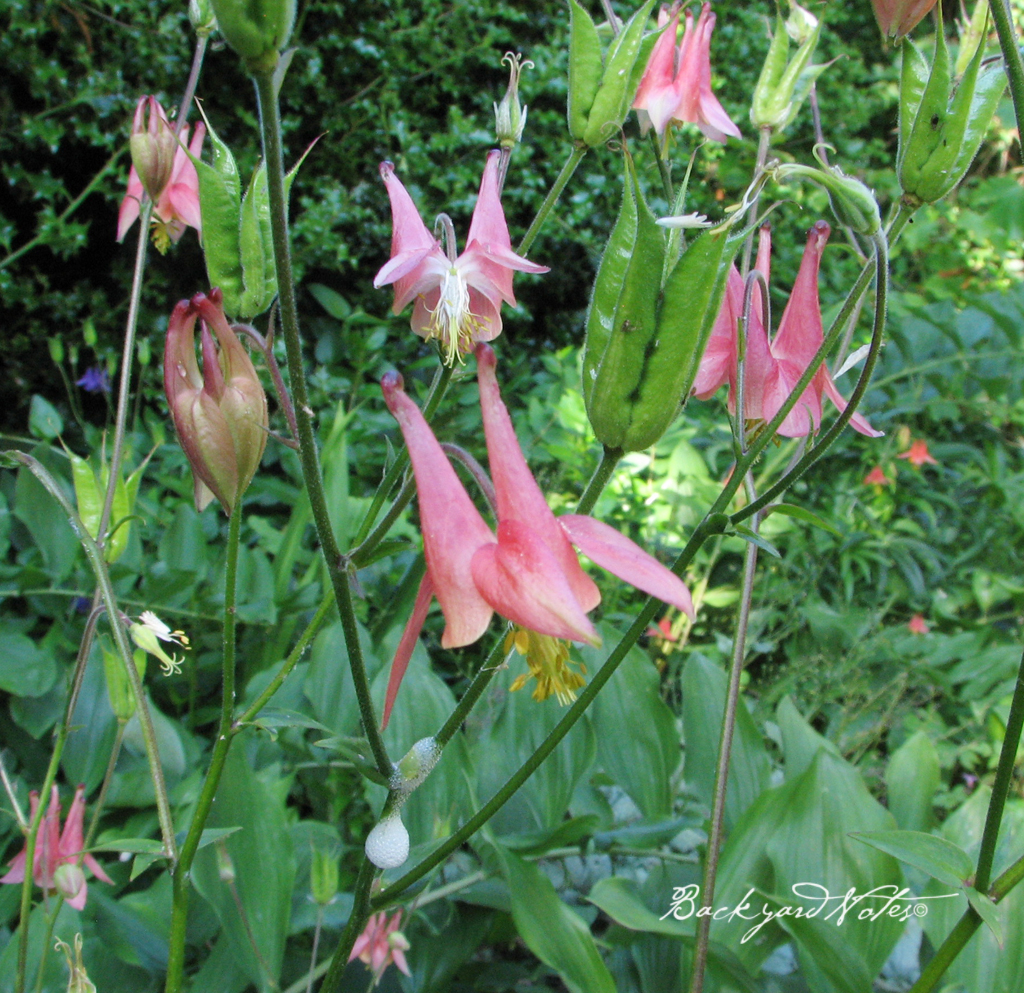
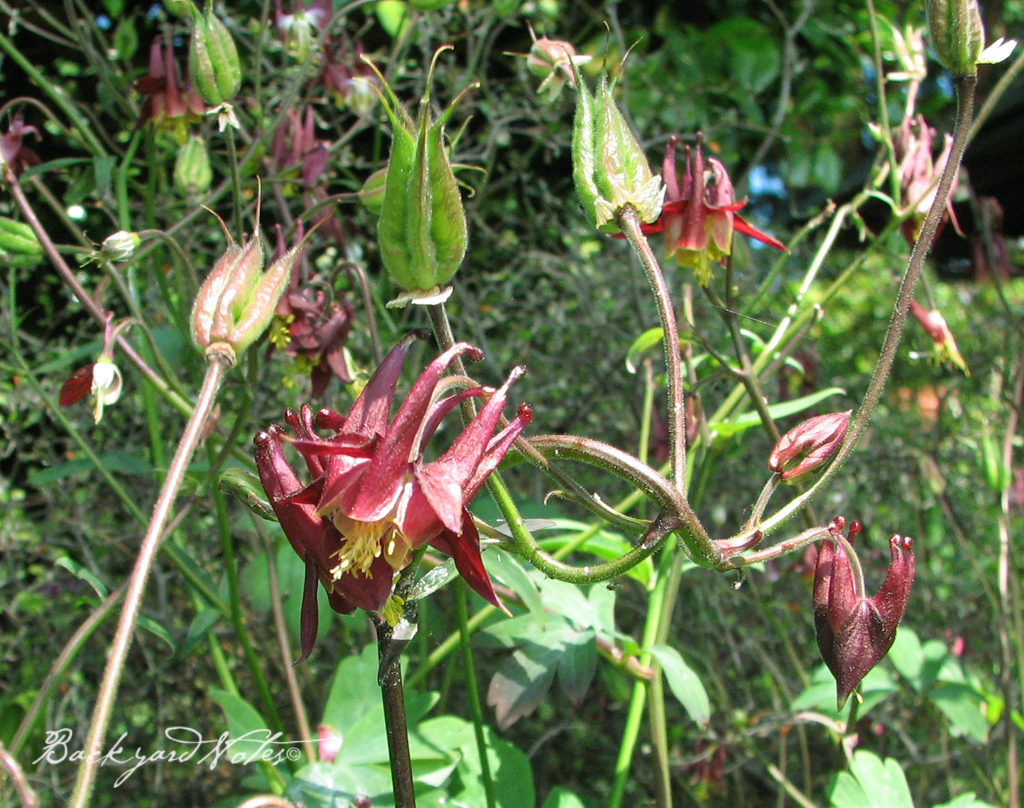
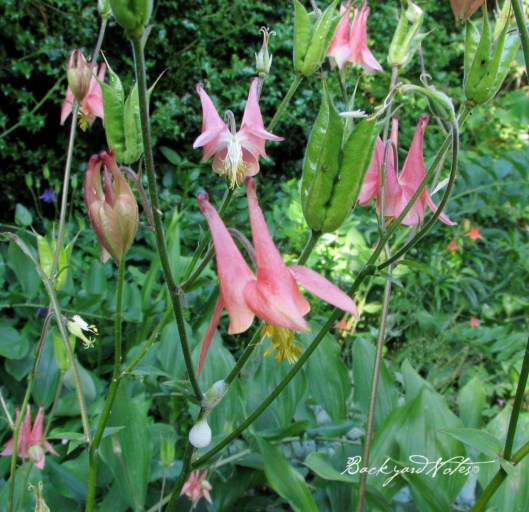
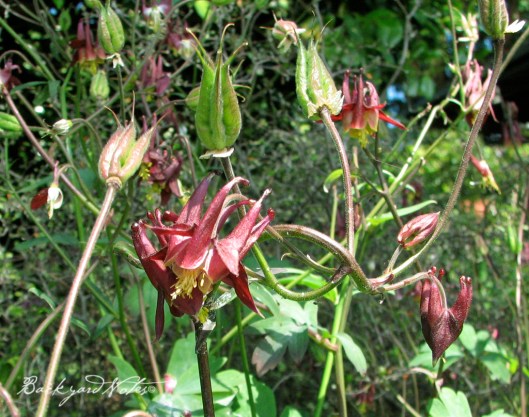
Dainty and swaying on tall, thin stems are columbine. The one above is our native Western columbine, aquilegia formosa. Columbine are prolific seeders and breeders. This one has crossed with others in the garden thanks to pollinators, to produce a light pink one and a sort of maroon one, among others while still keeping the same form.
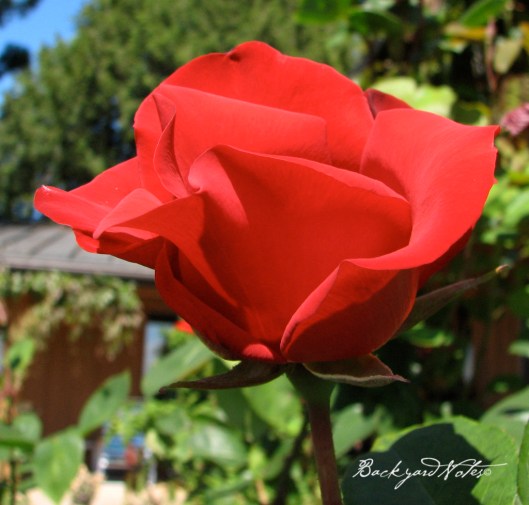
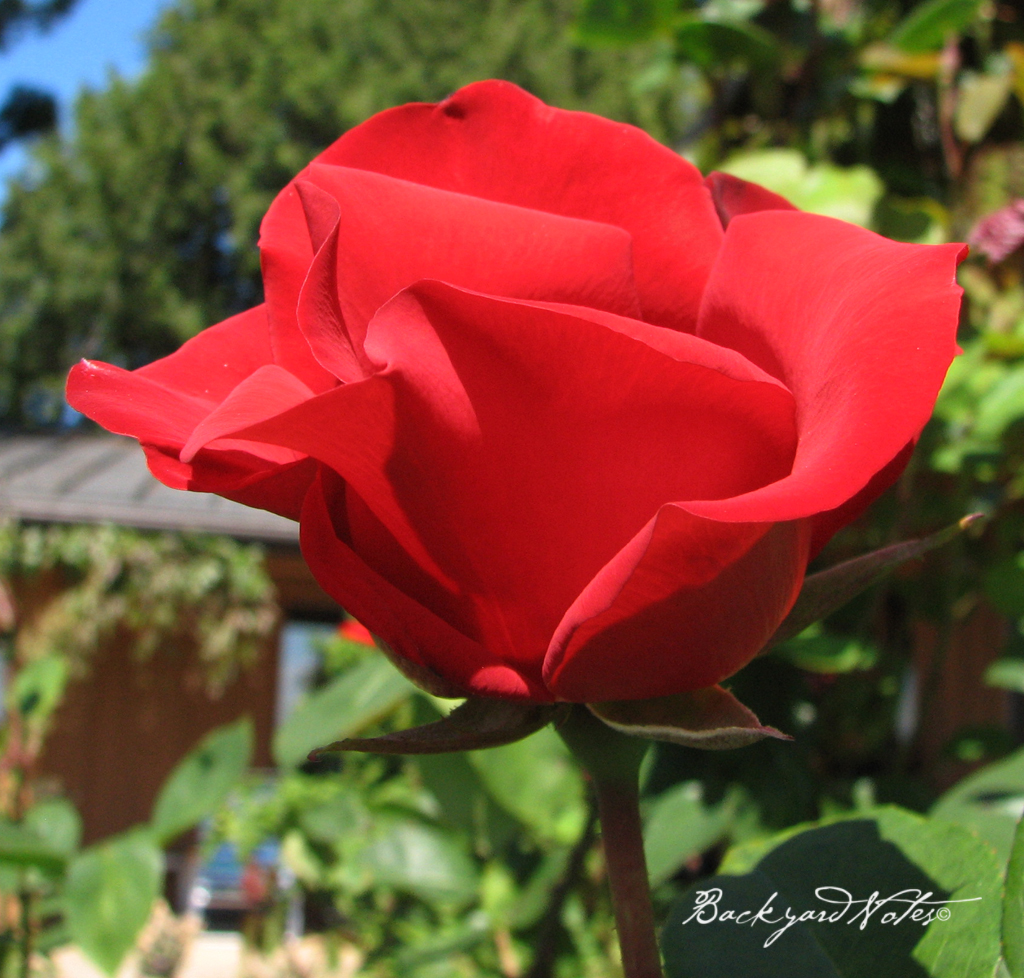
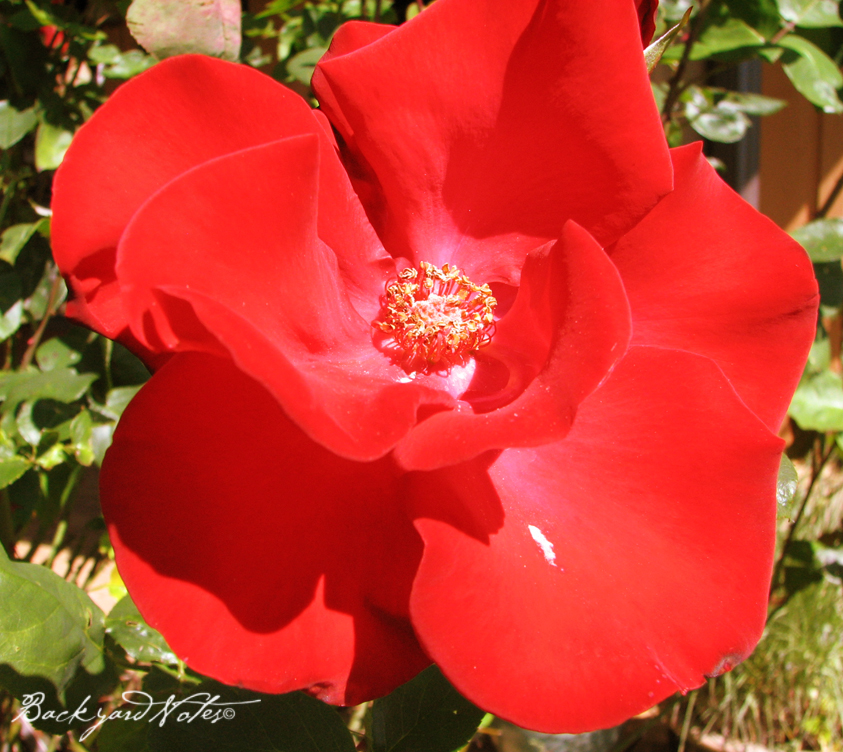
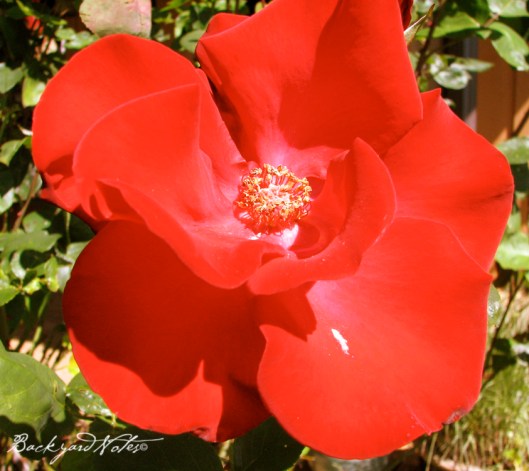
This climbing rose is ‘Altissimo’. A beautiful deep red with petals that look and feel like silk. It grows to about seven feet and has a simple petal arrangement when open.
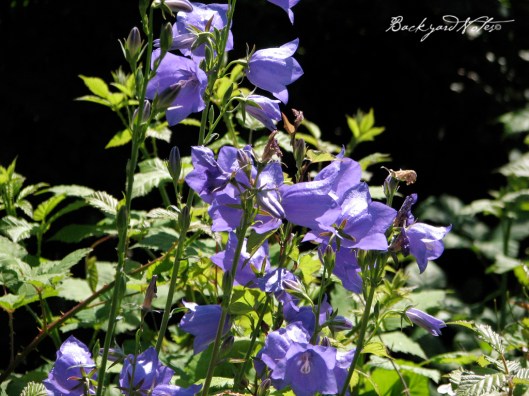
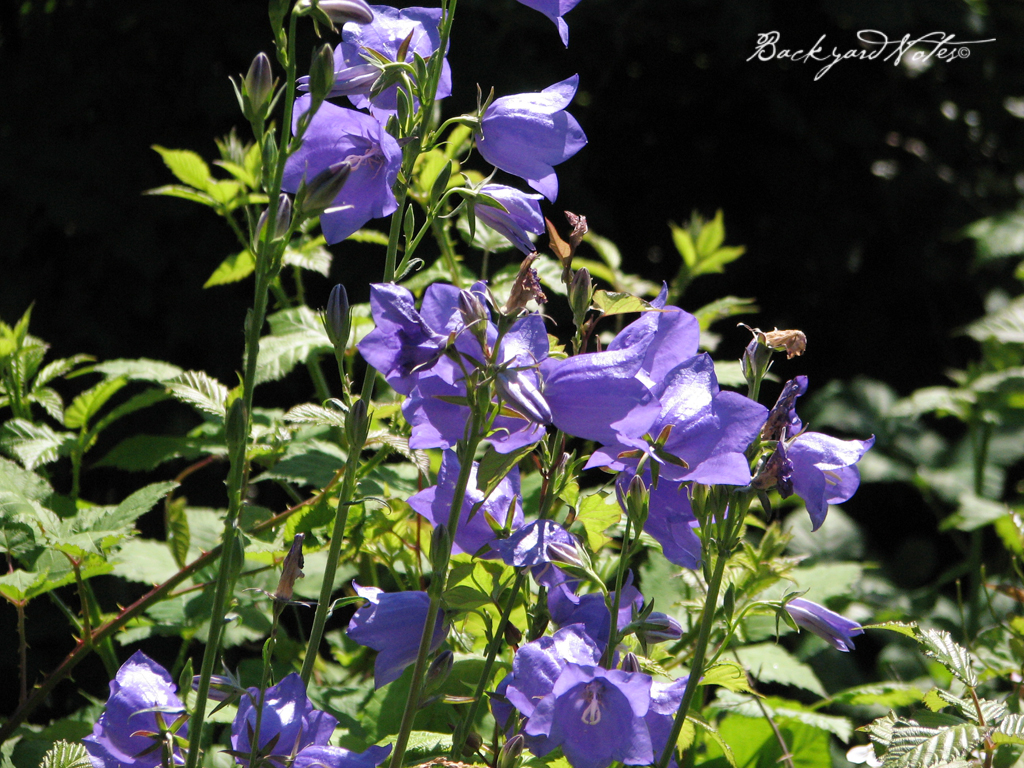
The bad plant from the March rant about pests, campanula persifolia. They are lovely and have a long bloom time, just not well behaved.
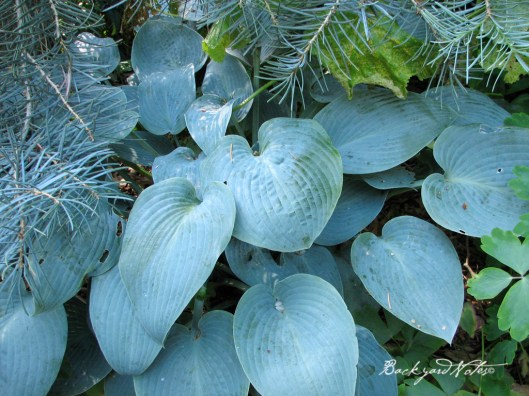
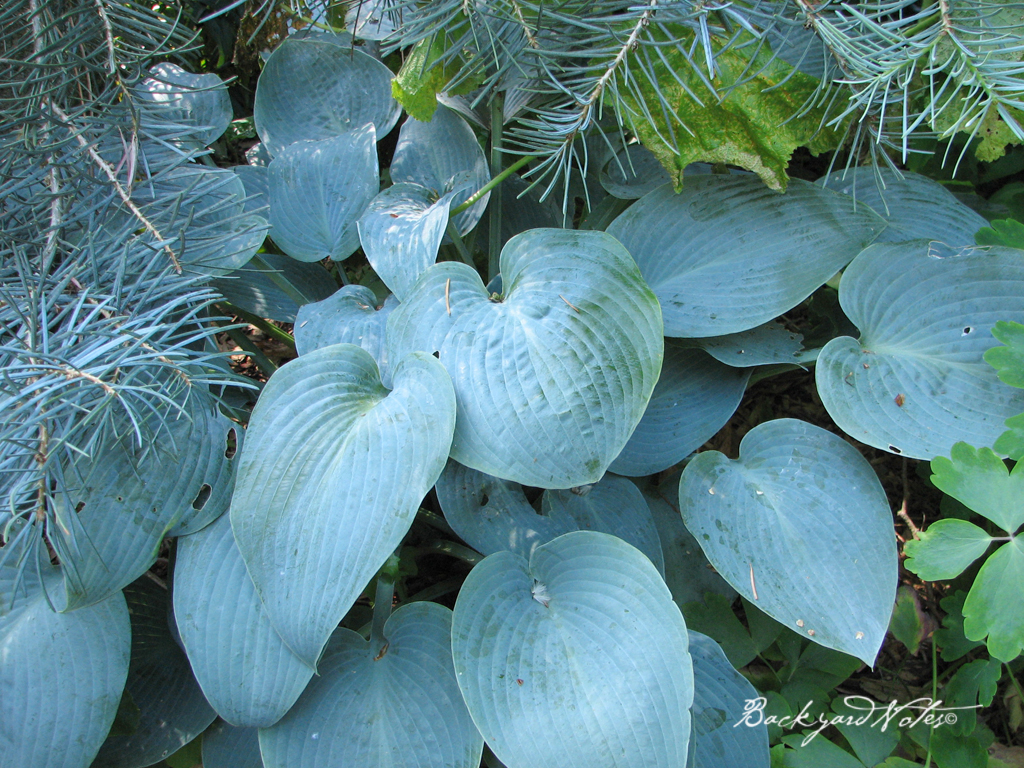
This blue hosta ‘Halcyon’ is under a weeping blue spruce, abies concolour ‘Blue Cloak’.  I can’t  decide if I like this combination. It might be too much.
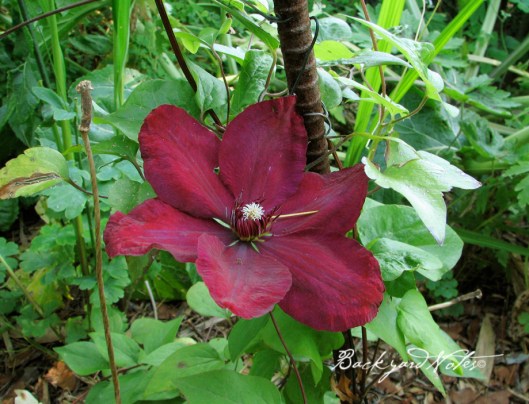
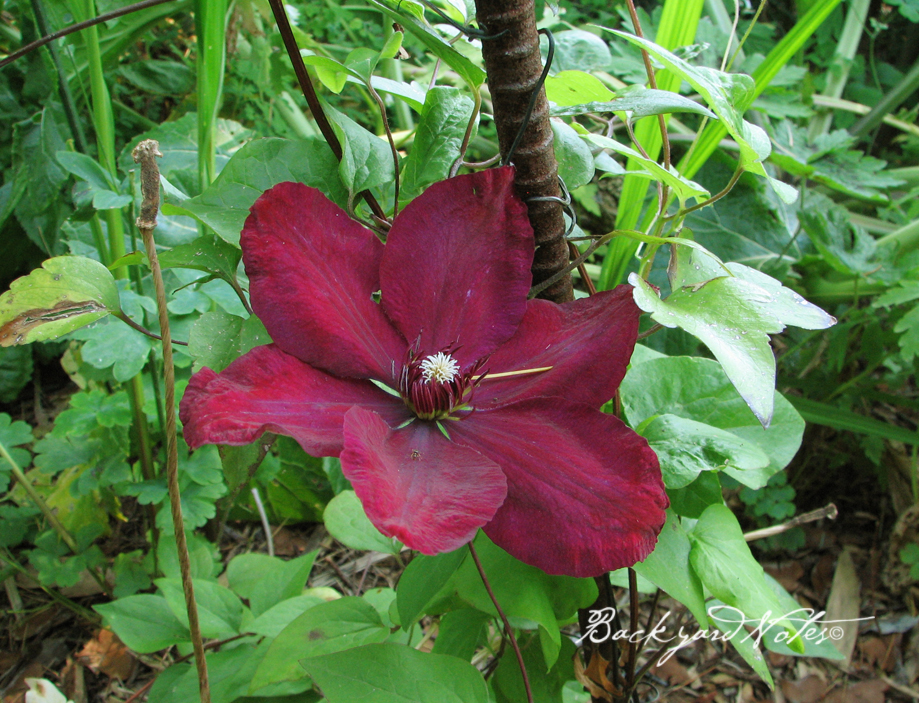
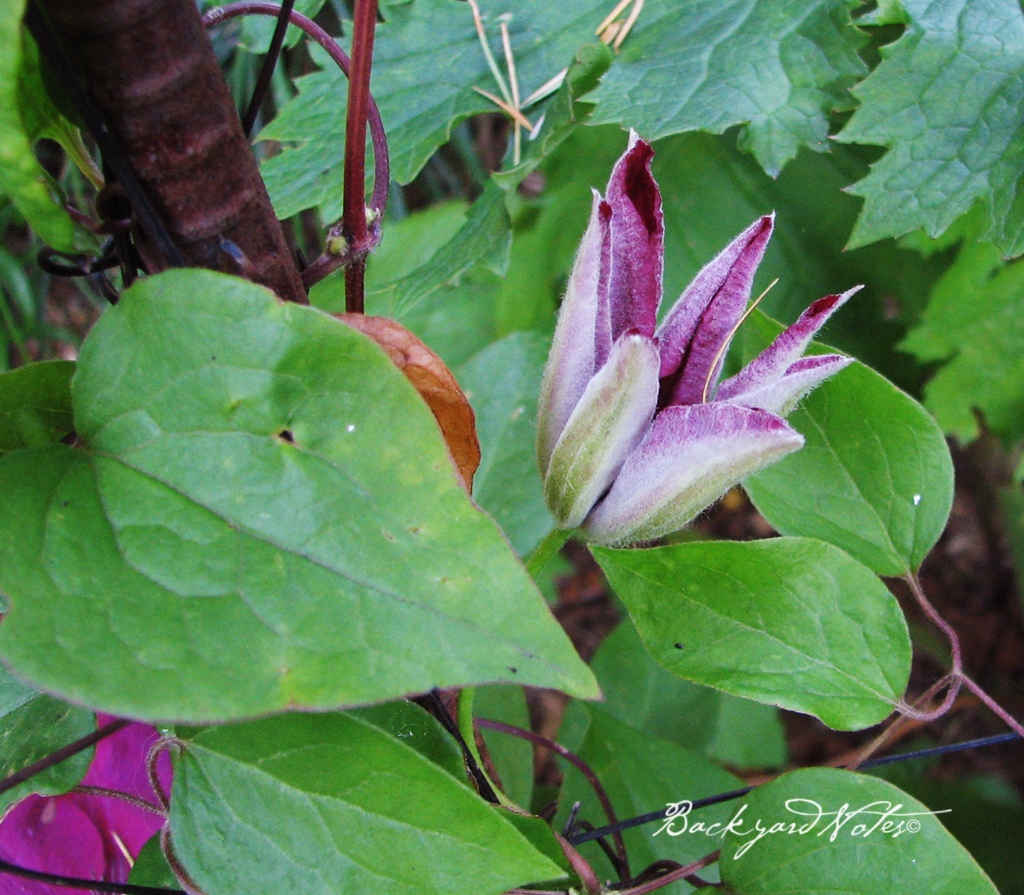
This is a great clematis that we bought three years ago. I cannot find the tag, so do not know its name. We put together three ten foot lengths of rebar into a tepee shape for the vines to crawl up. It an unusual red, I think.
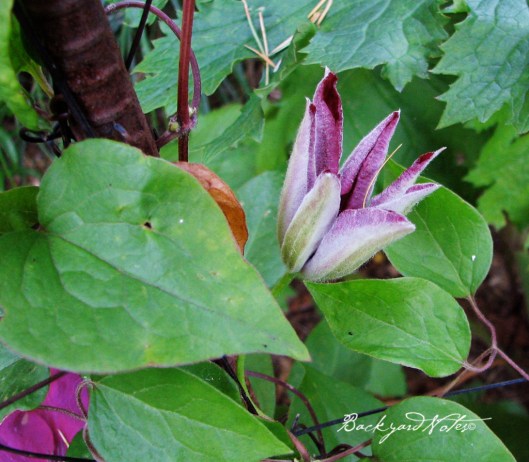
I think this not yet open flower is a beautiful form.
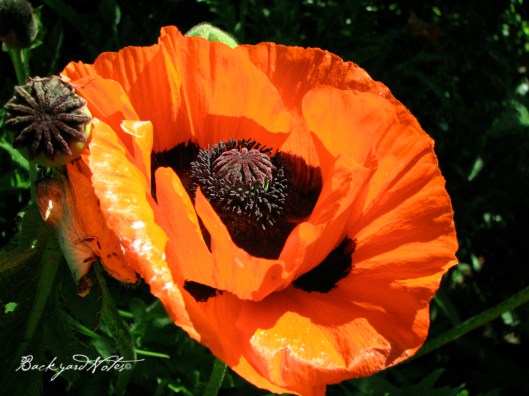
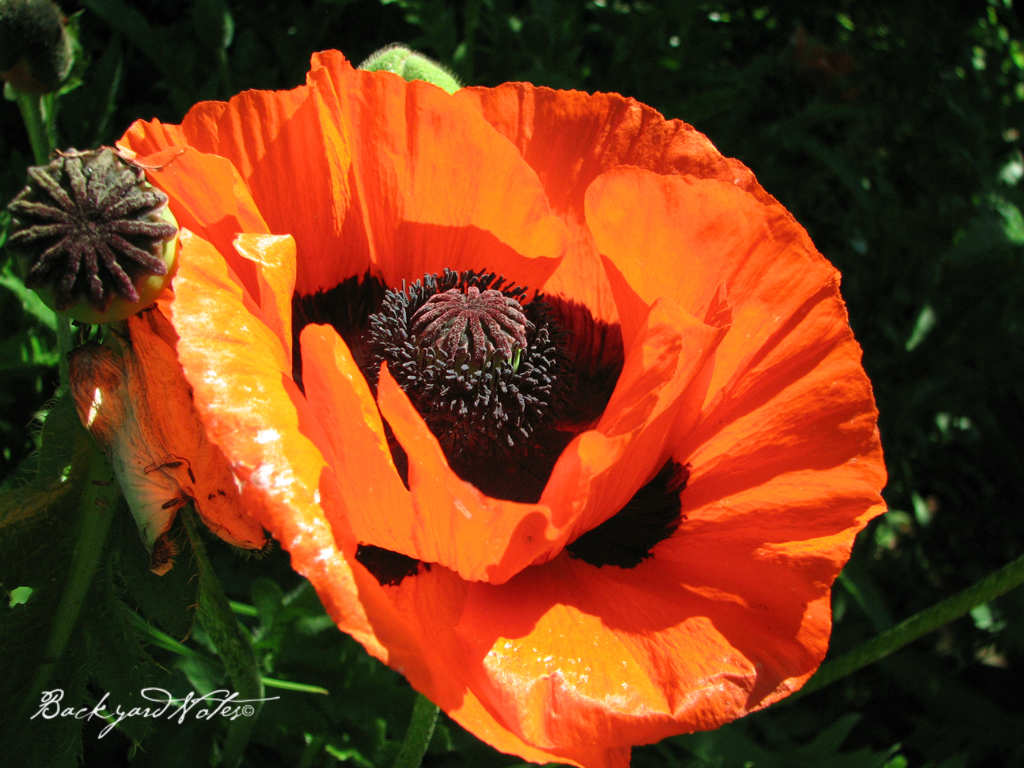
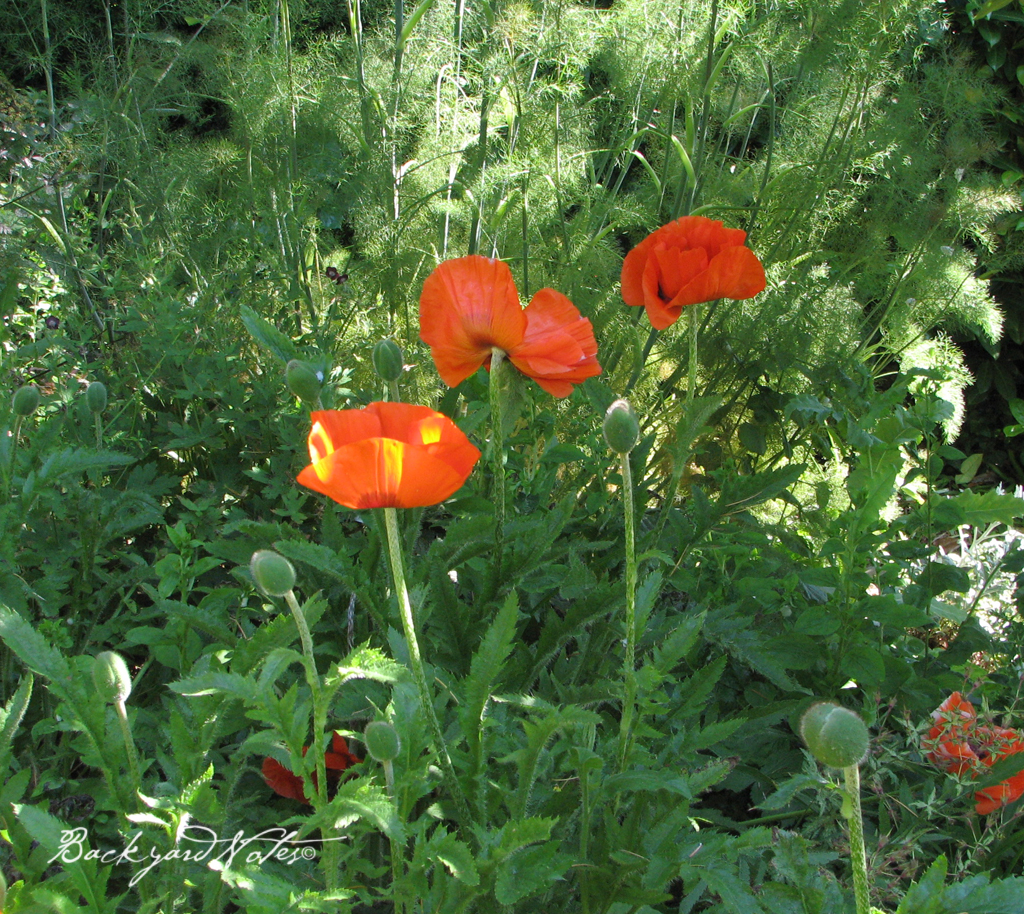
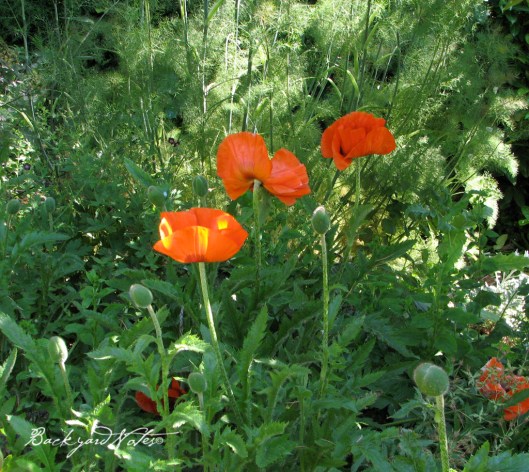
This orange papaver orientale is from our former neighbor, Mrs. Gould. She was clearing out a flower bed and gave me a few roots. She moved to a retirement home in Issaquah four years ago, so when they begin blooming I am reminded of her. They are just now blooming in my garden, more than three weeks later than most everywhere in my neighborhood due to a somewhat shaded location. They are like bright lights in deep shade and look good combined with fennel. They too have a tendency to spread but are easy to control.
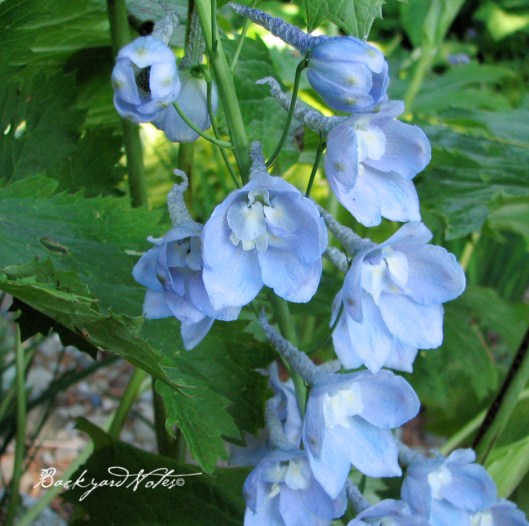
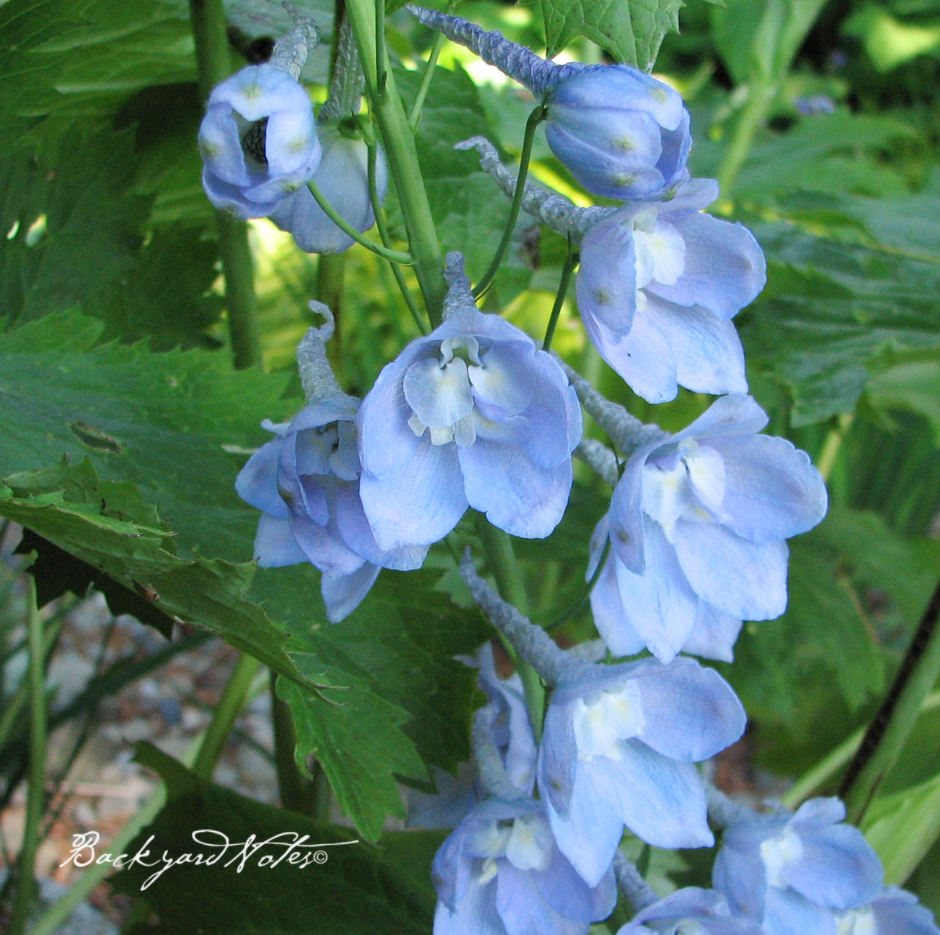
This is of the ‘Connecticut Yankee’ series of delphiniums. I love the pale blue color and the petals have a slight iridescent quality.

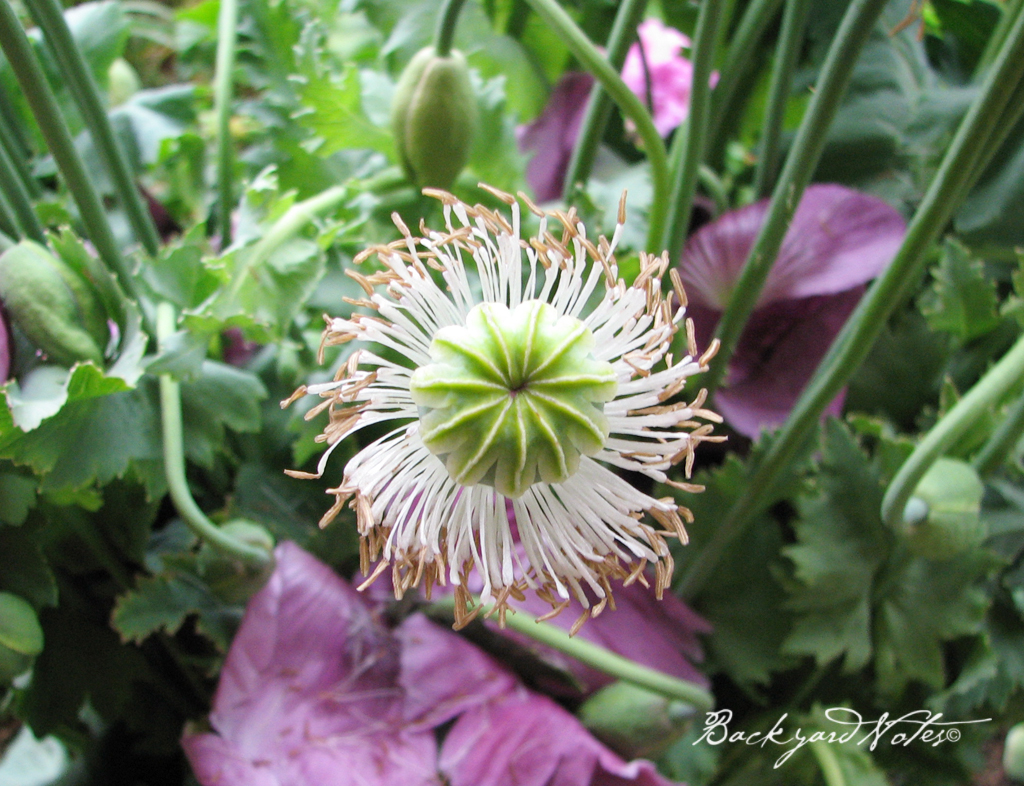
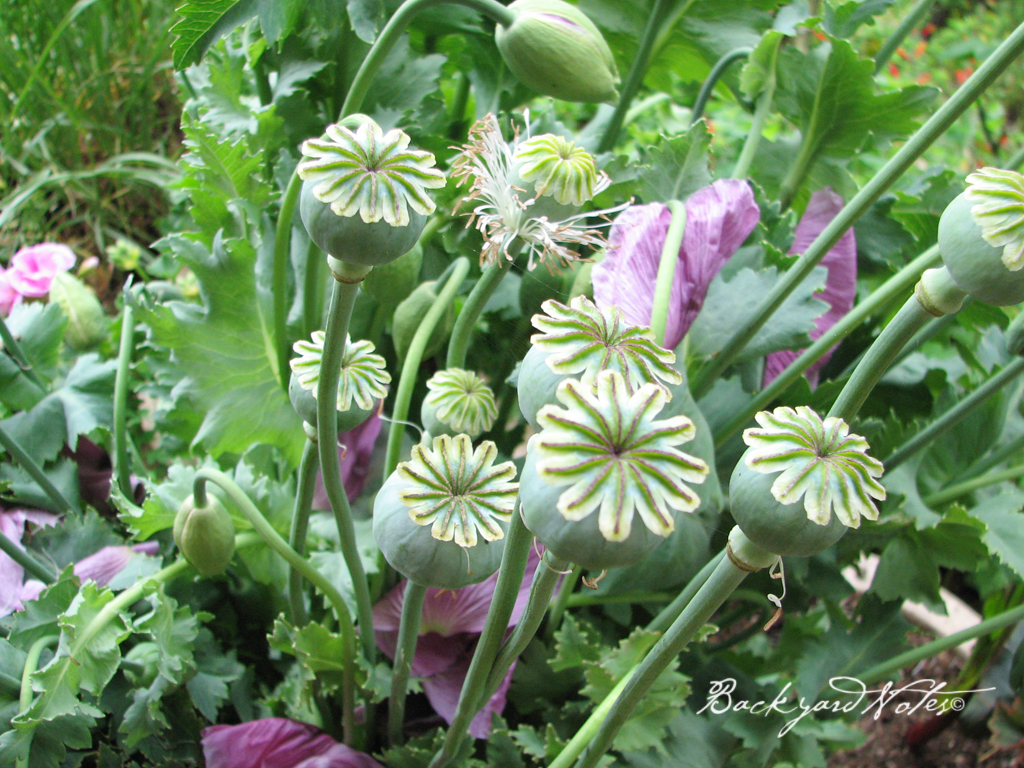
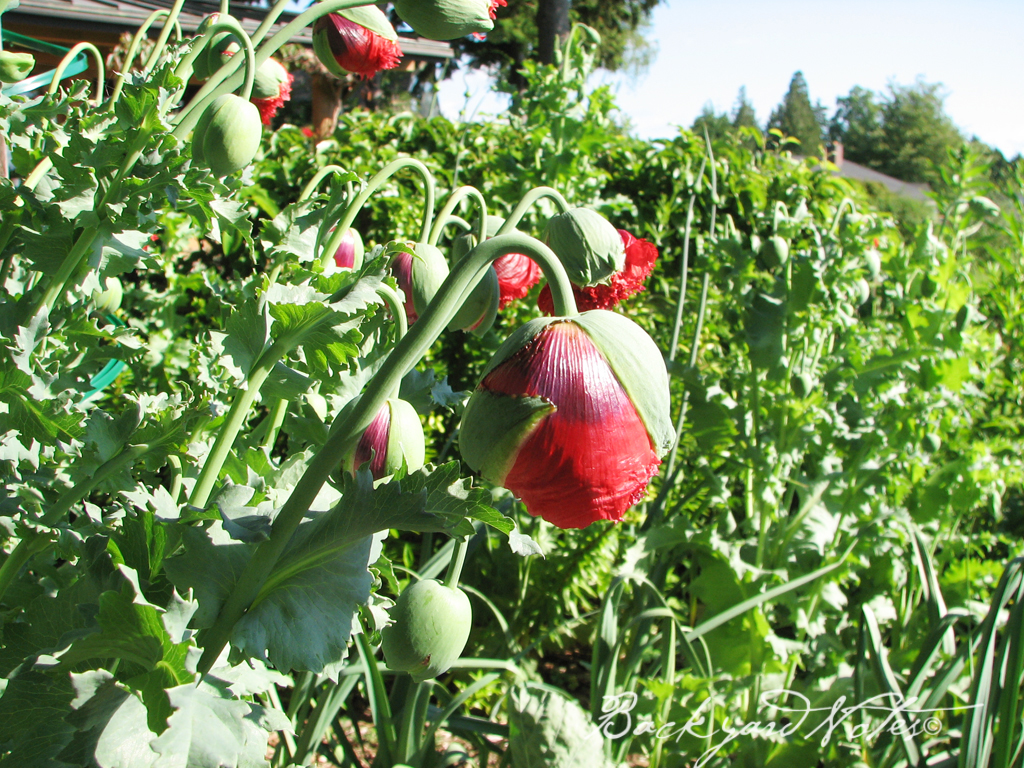
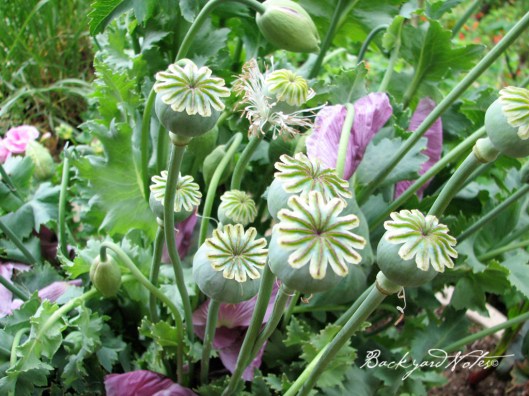
Most of the frilly poppies are volunteers in the vegetable garden, mostly from seed that got into the compost, that was then incorporated back into to the garden. There were several plants in with the fava beans, so the poppies came out too. I stripped off most of the leaves, cut the stems and put them all into a tall galvanized container for a big poppy bouquet on the deck. I think that the seedheads are really attractive and I am continually drawn to them as the petals fall away, wanting to draw and paint them every year. Perhaps it is the simple form.
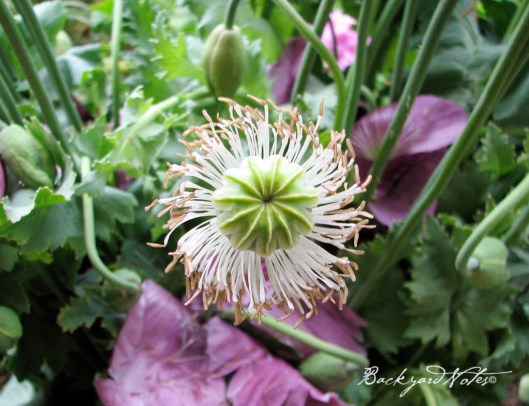
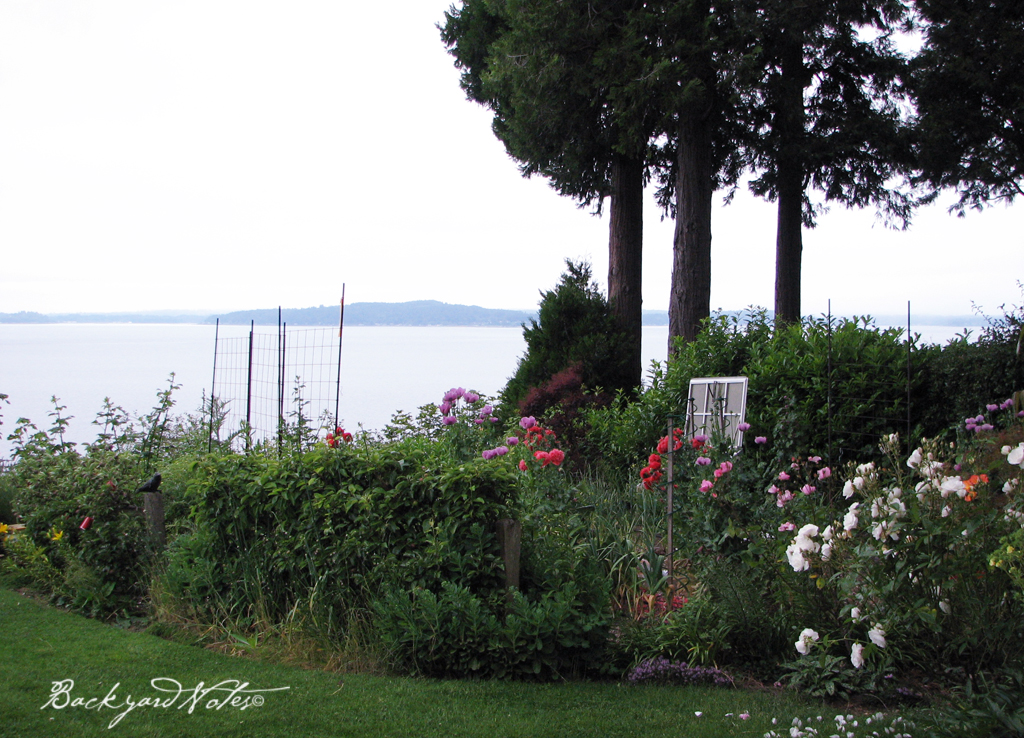
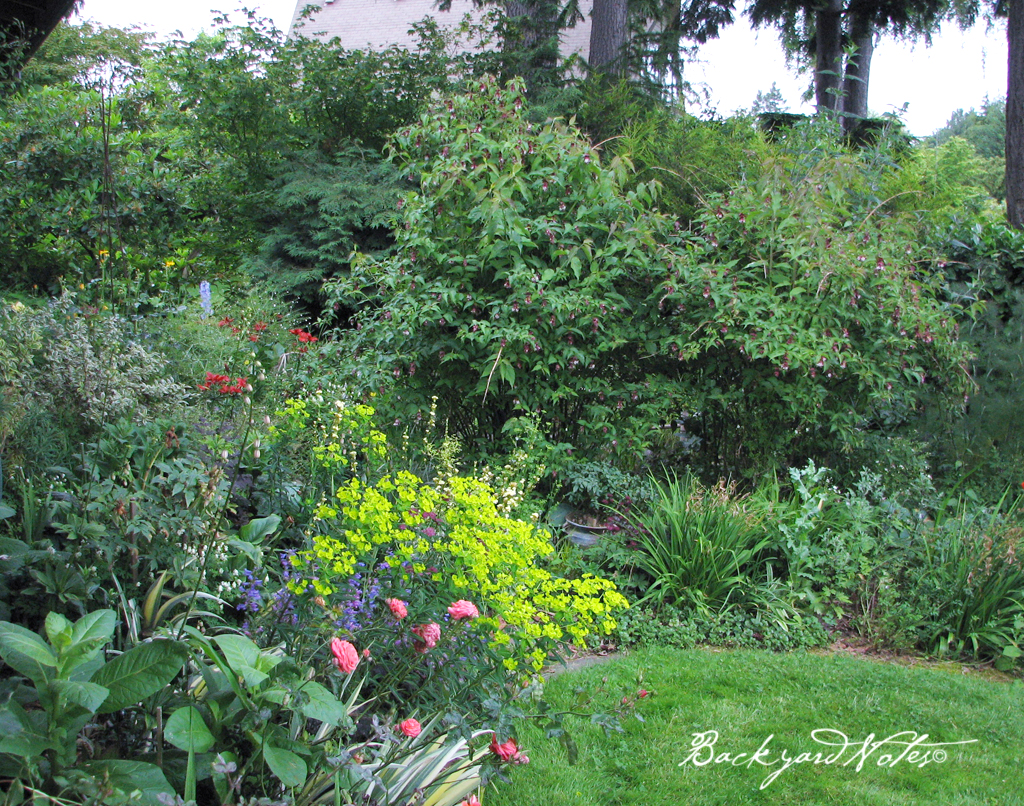
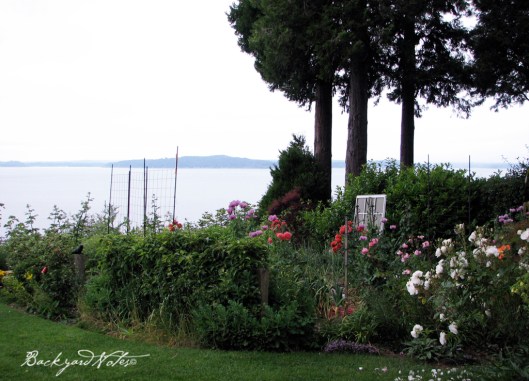
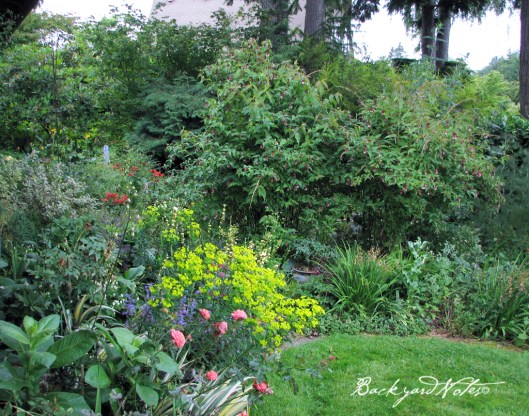
Two first-day-of-summer photos to close out the post as the rain pours down now. Hope your day is sunny!
P.S. No more talk about fava beans!

PICK AND EAT! GREEN, GARDEN TREATS

Tags

, , , ,

WHERE DID THE LAST MONTH GO? I can hardly believe it has been that long since the last post!

THE PEAS ARE IRRESISTIBLE, PLENTIFUL AND THERE HAS BEEN A LOT OF PICKING AND EATING straight away–no cooking needed! The peas that I have growing are snow peas and snap peas. I have not cooked a single one yet as we have eaten them in the raw state in green salads and as a salad, in a slight variation of the pea and bacon salad found at deli counters over the last fifteen years. On Friday I picked nearly four pounds of peas and over nine pounds of fava beans! Bountiful!
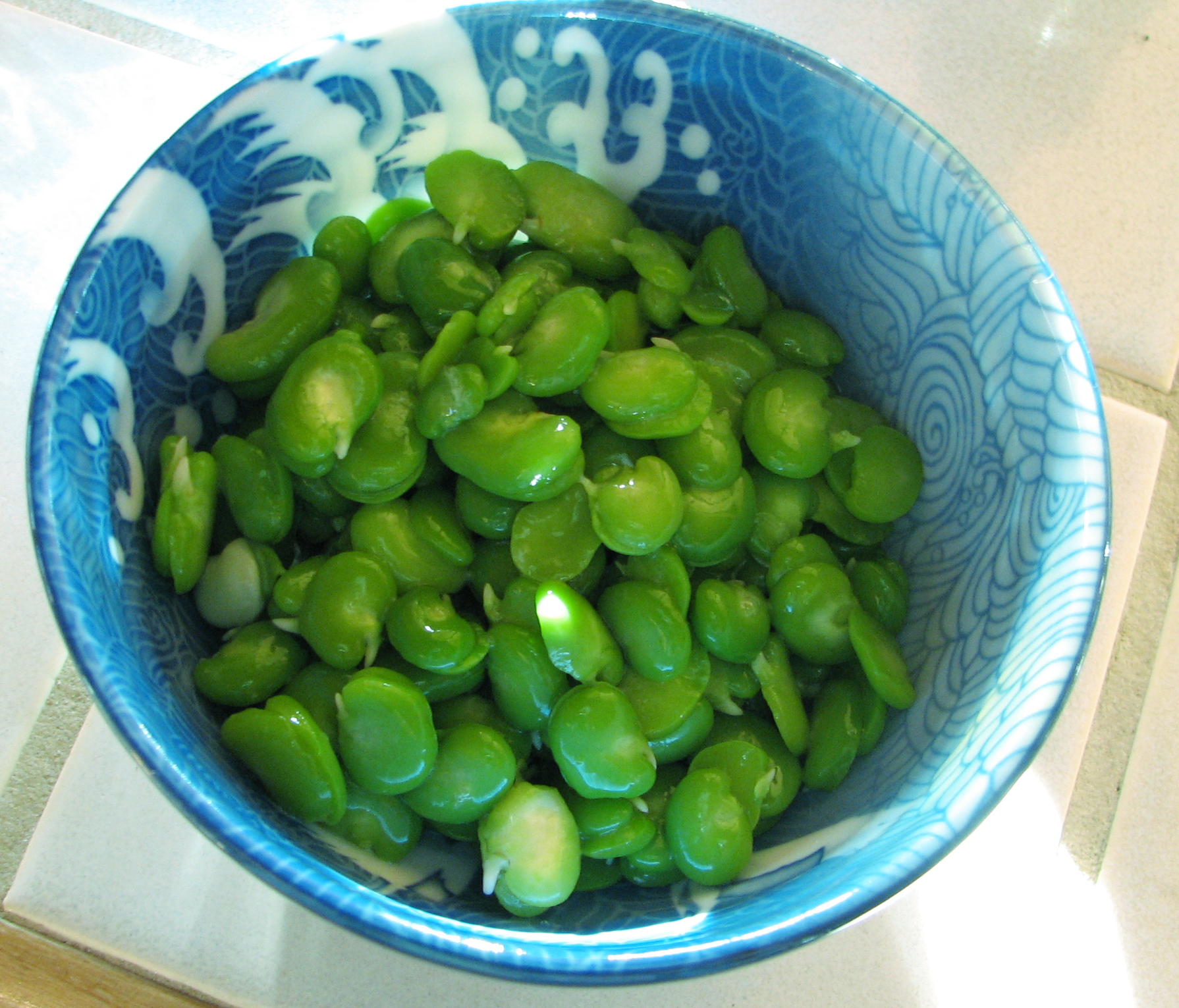
Once the fava beans are shelled, the weight drops considerably. At this stage they are ready for blanching and then slipping off the bitter outer skins to reveal the sweet, tender, green bean inside.

The blanched and shelled beans make a tasty spread for bread when puréed with a touch of garlic, lemon and olive oil. Today I will finish picking the peas and favas so I can finally plant tomatoes, peppers, eggplant, and squash plants. The weather has been so rainy and below normal temperatures for June. But, wishful thinking, summer is just a couple of days away! This might be the latest I’ve gotten the tomatoes into the ground.

Time for a little catch up on what has bloomed over the last few weeks!
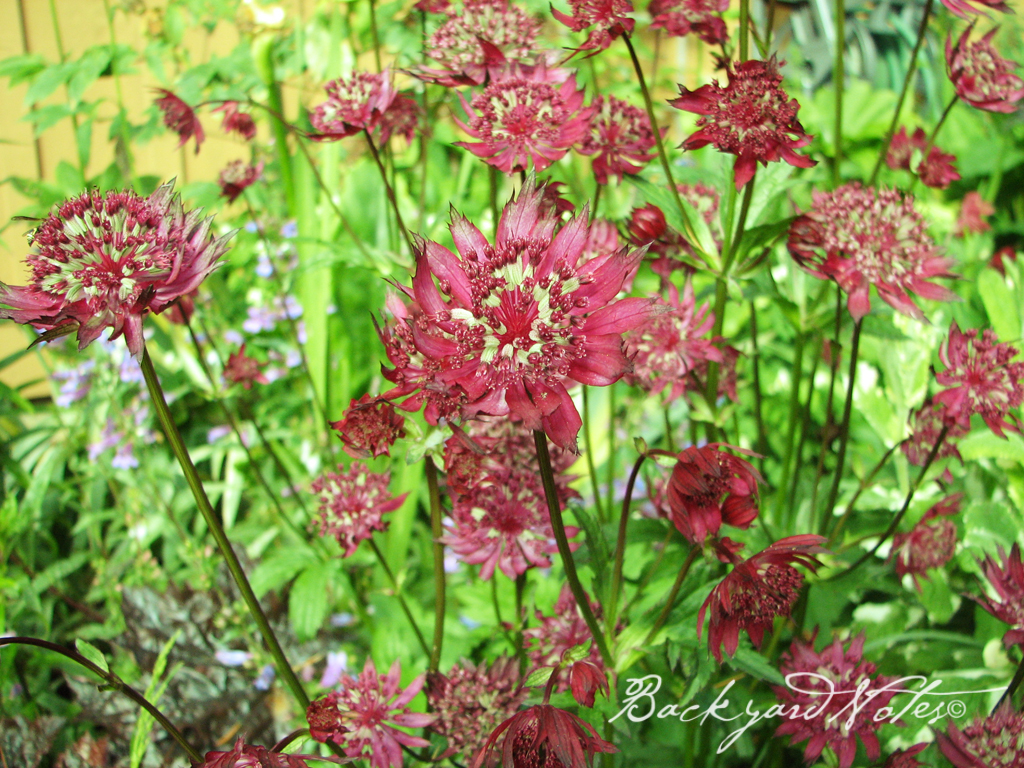
Astrancia ‘Ruby Wedding’

Papaver somniferum in lavender

and a frilly red one.

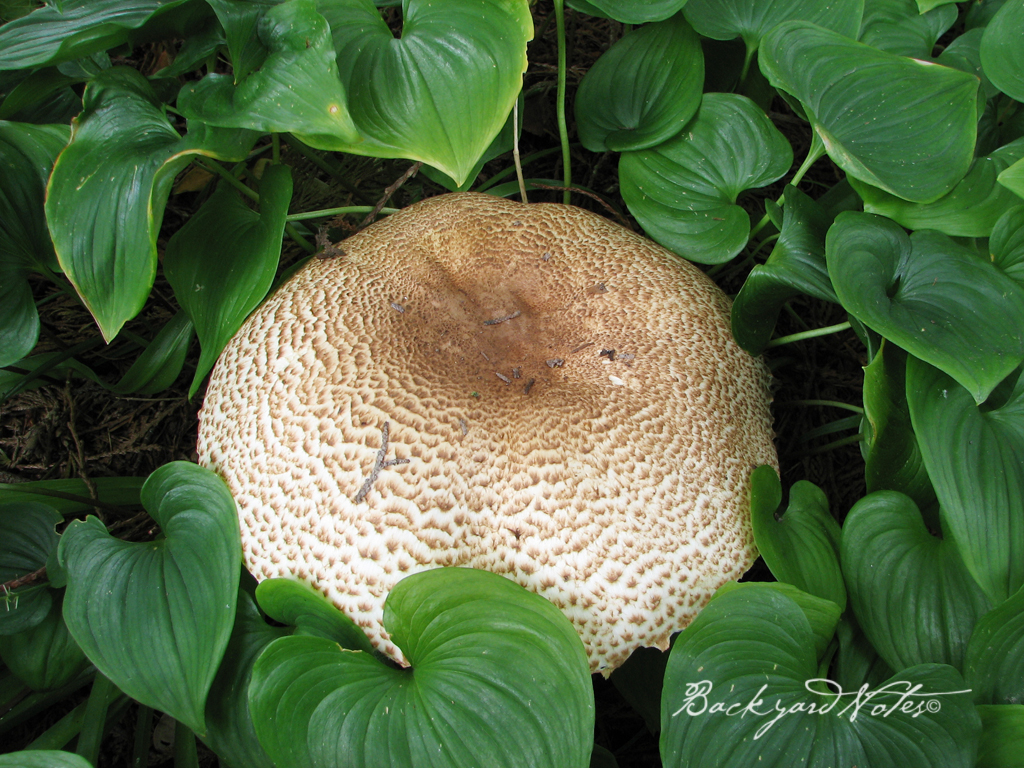
An unknown mushroom that popped up last week after rain. It is eight inches across!
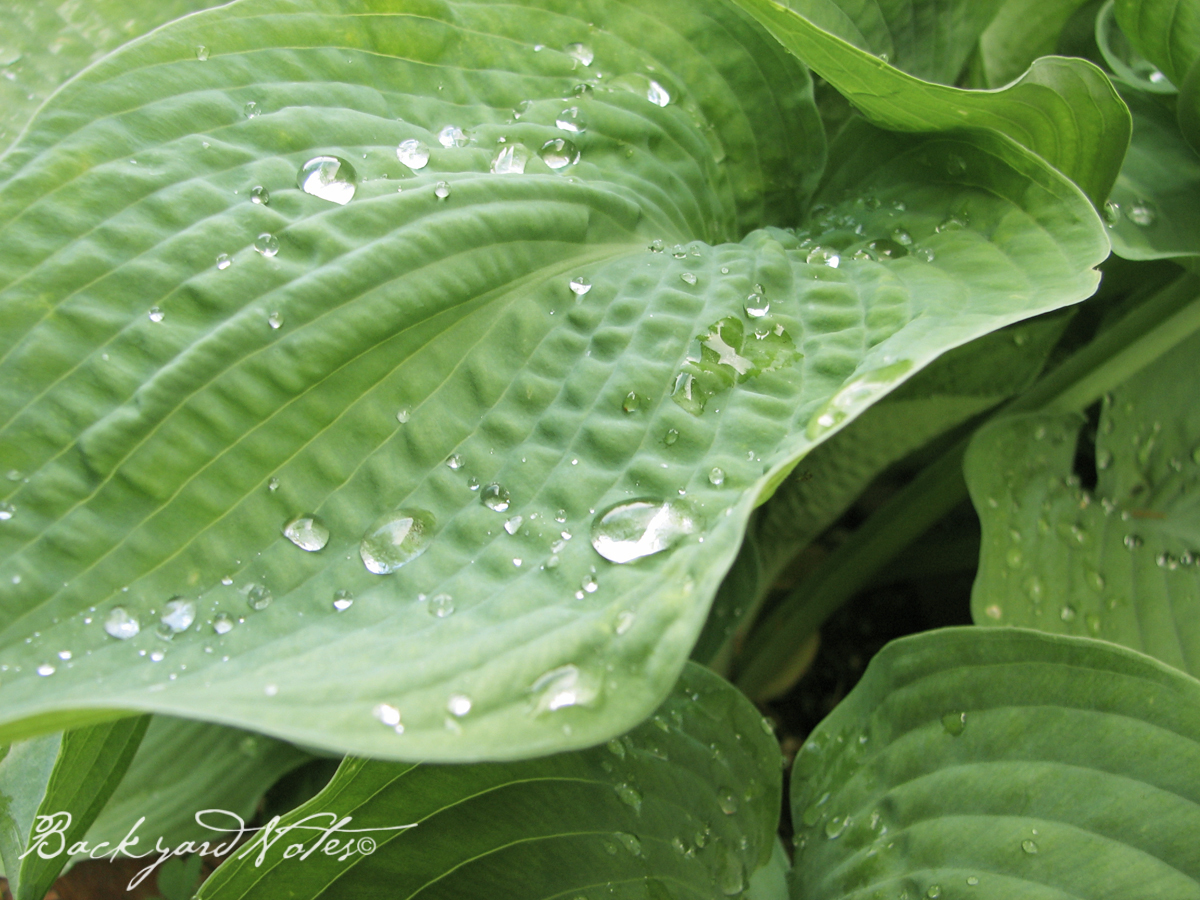
And speaking of rain, it beads up perfectly on the leaves of this hosta ‘Abiqua Gourd’.

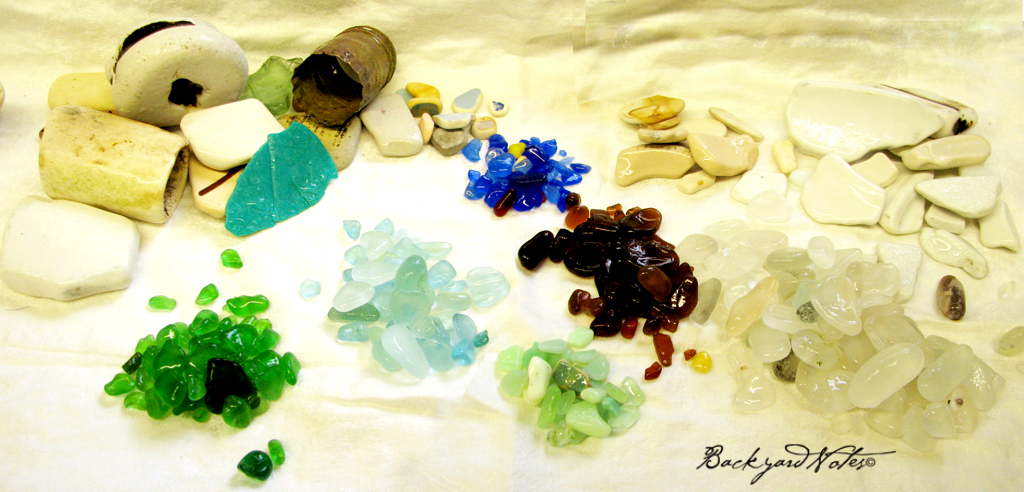
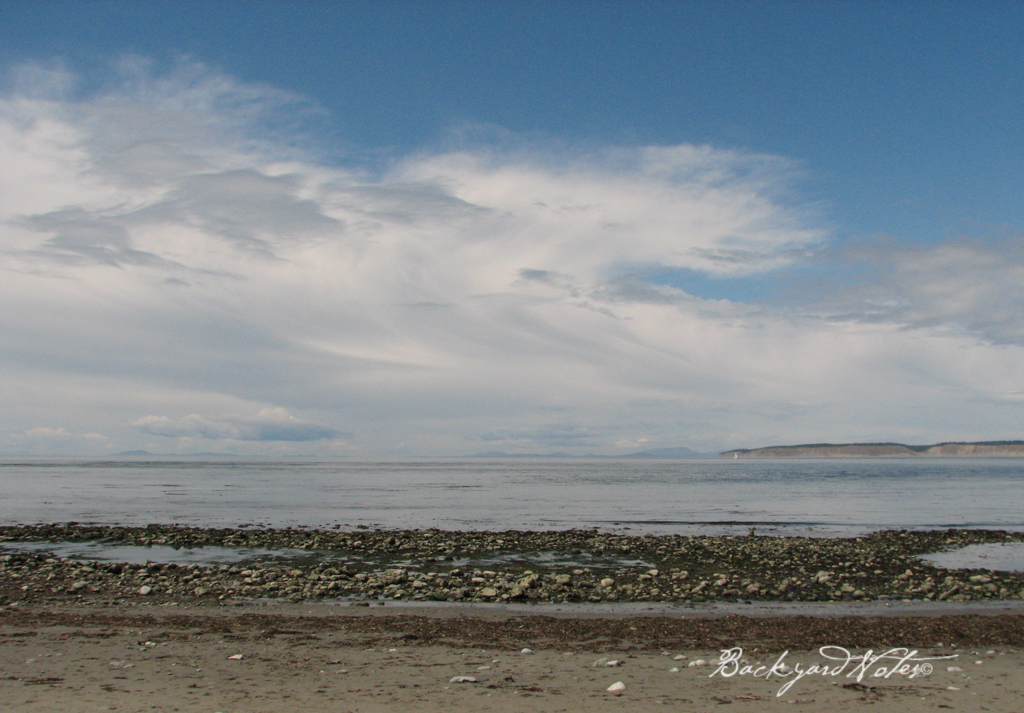
LAST SATURDAY we took a trip north to Port Townsend to meet Erynn and a friend and walk to Glass Beach at the foot of McCurdy Point on the Strait of Juan de Fuca. It is a three mile walk each way and with a minus tide there is plenty of time to search for glass treasures and check out sea life that is hidden half of the day.

Beach glass, pottery shards and assorted treasures!

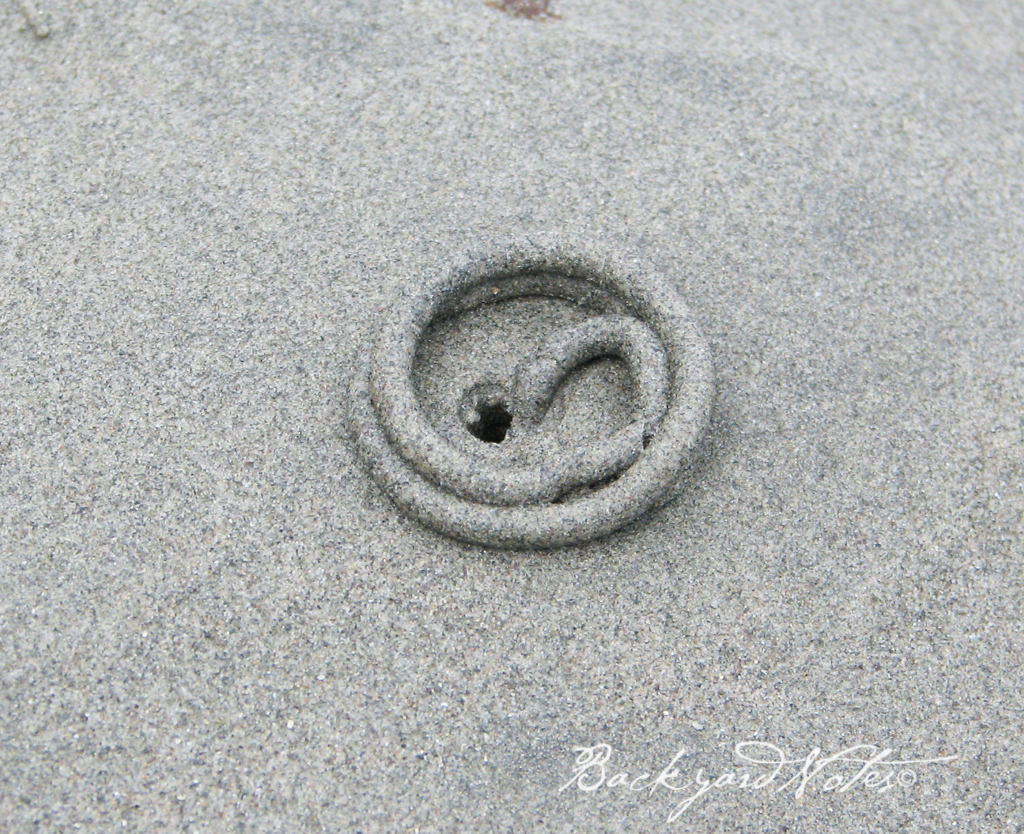
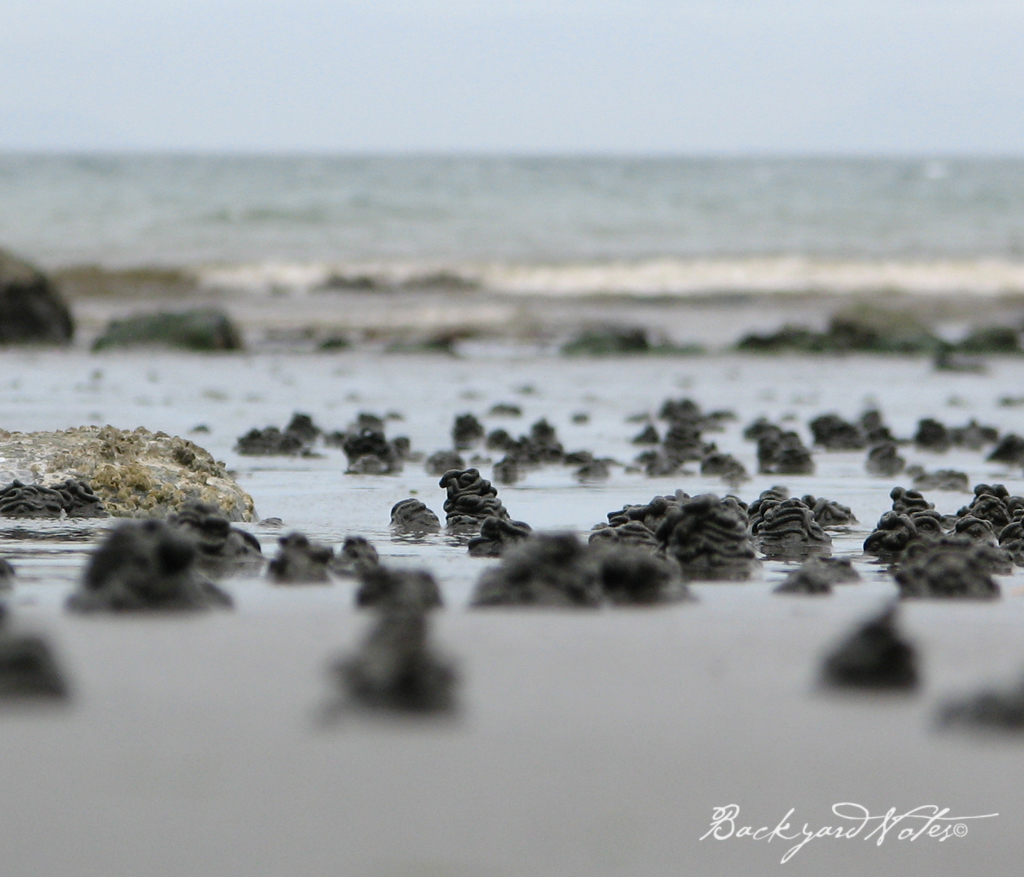
There were thousands of these little sand spirals and piles. Worms?

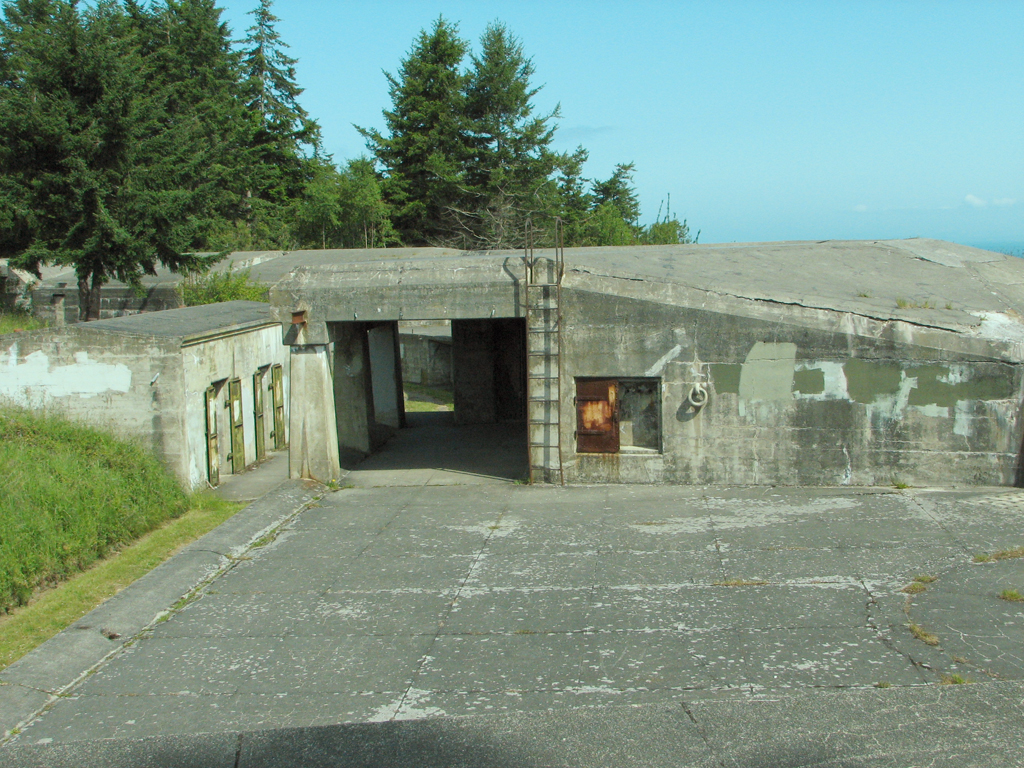
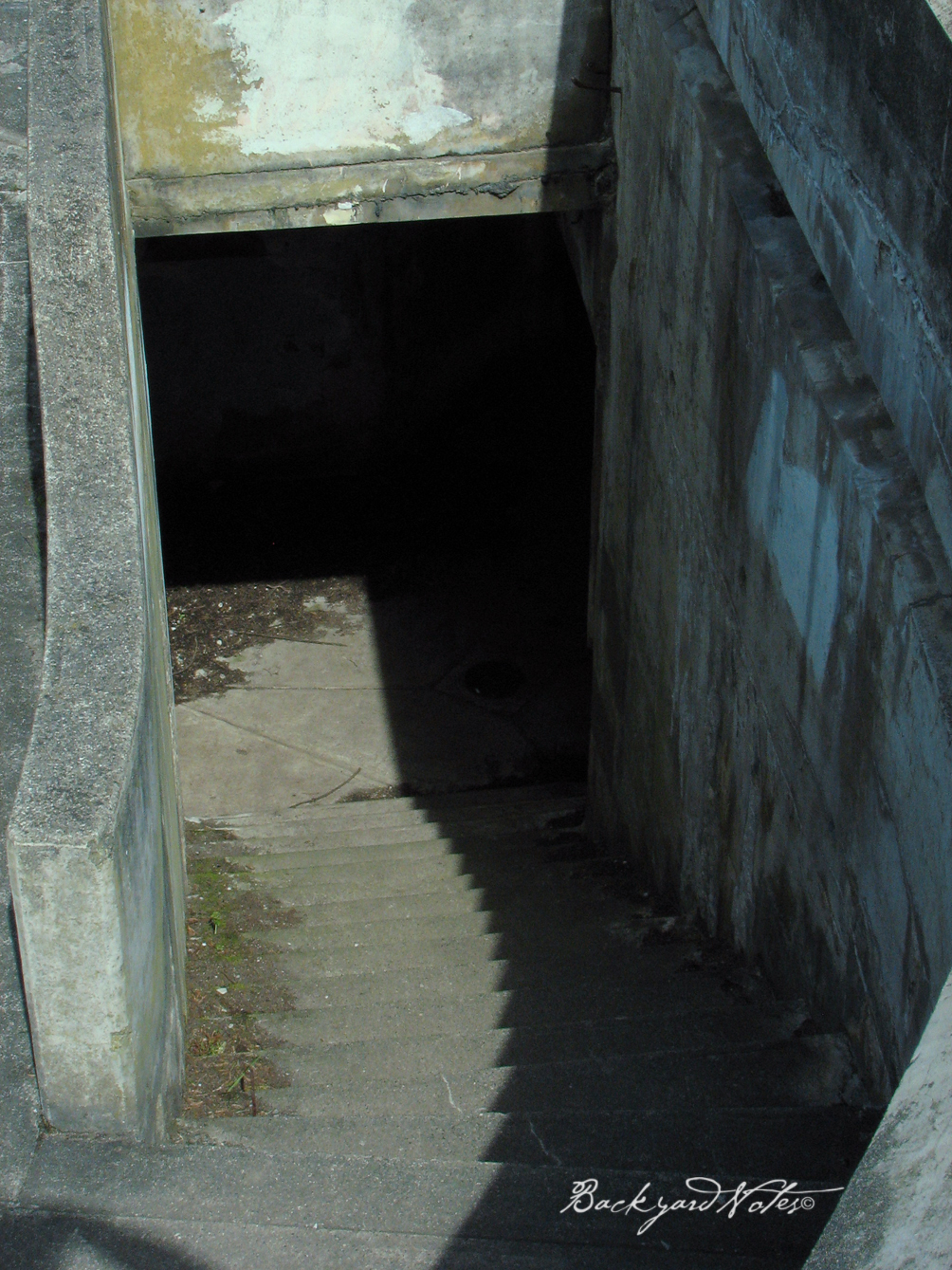
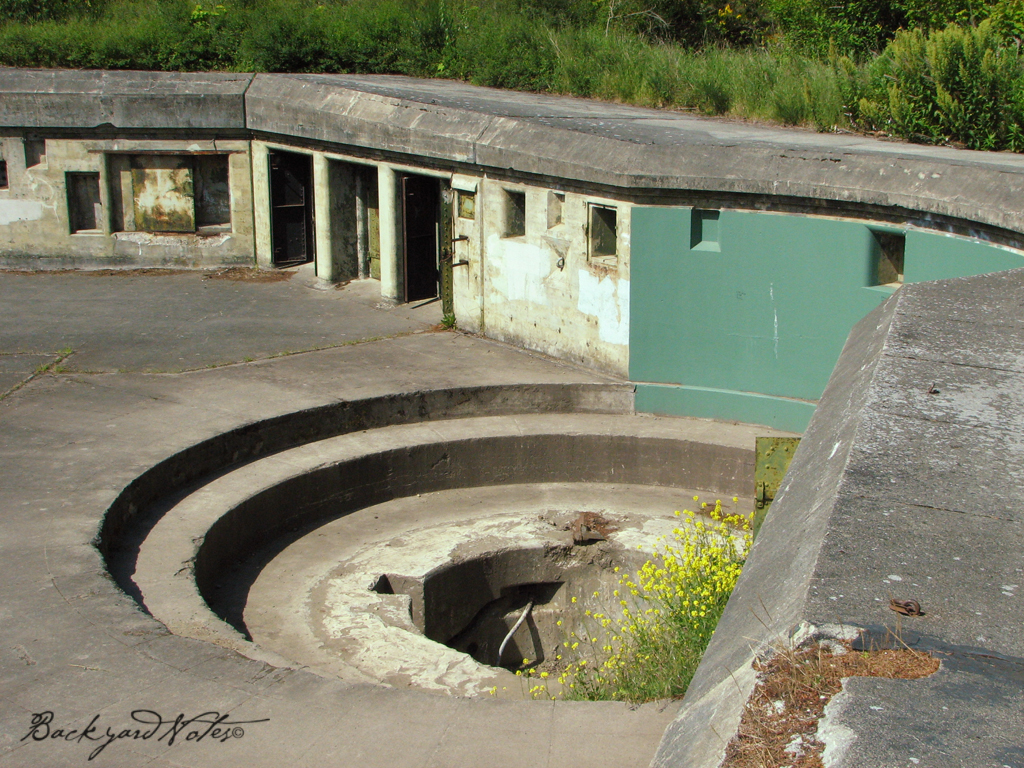
After walking the beach we checked in at Fort Worden State Park a late 19th and early 2oth century coastal artillery fort on the Strait of Juan de Fuca. It is one of three forts that guarded the entrance to Puget Sound. It is an interesting place to explore and has great views north to the San Juan Islands and Whidbey Island to the east. The old concrete batteries for gun emplacements make for great exploring and photographing,

Lots of dark places down stairs and behind big metal doors.

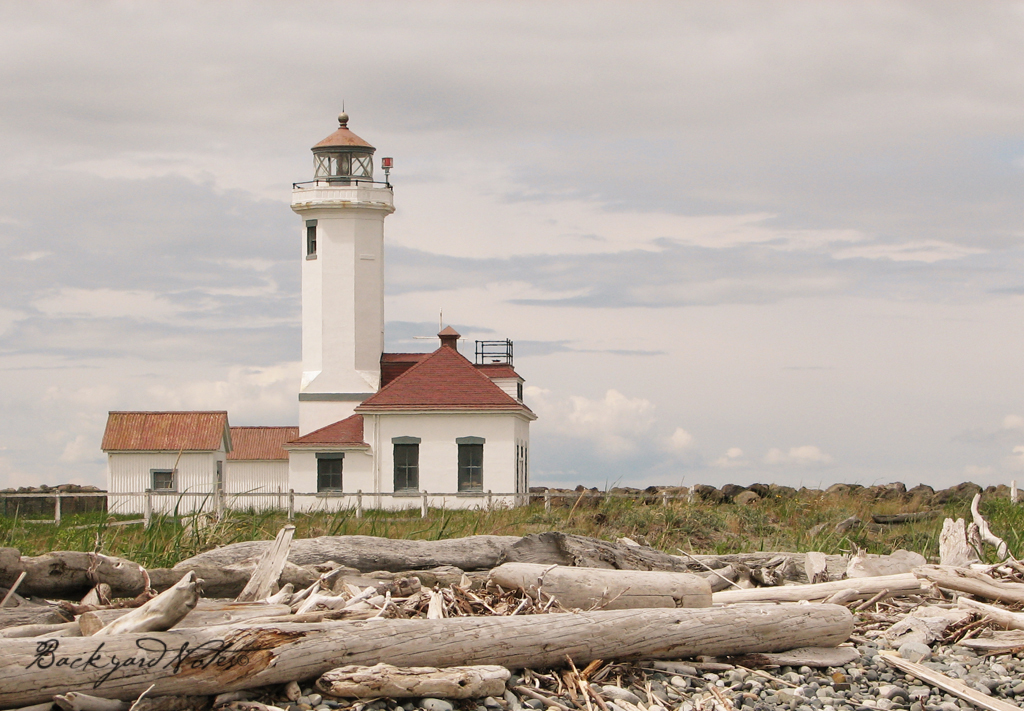
The lighthouse at Pt. Wilson, just a short walk from the campground.

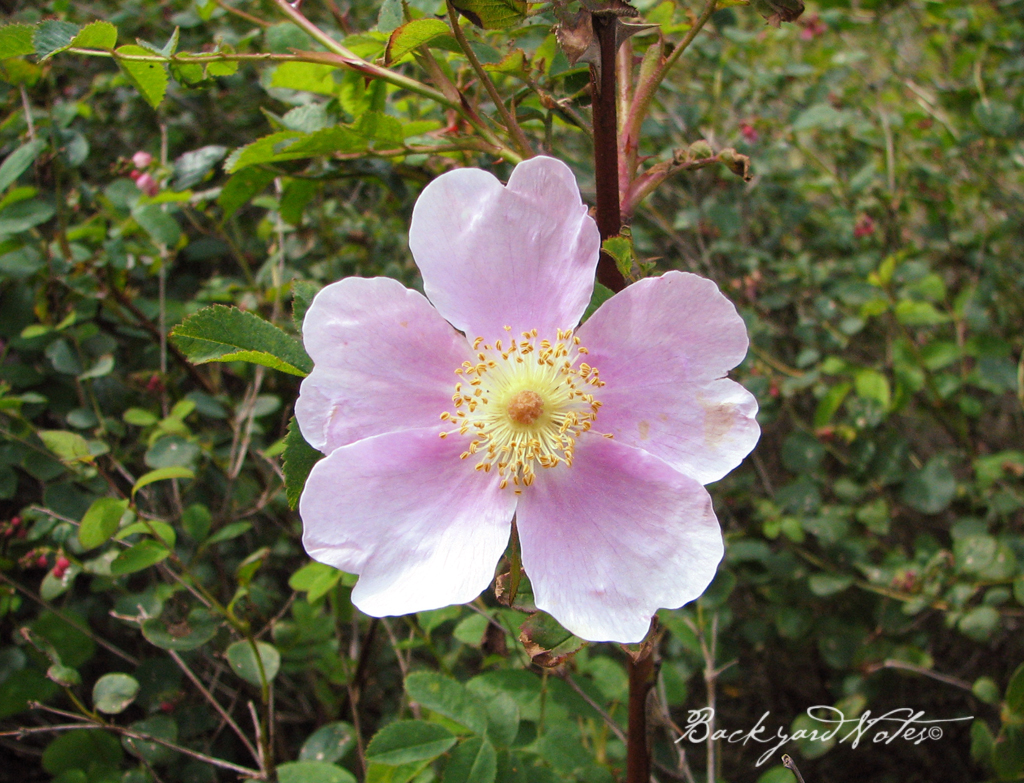
The lovely, dainty Nootka rose.

Time now for gardening, the weather today is fair and looking good for at least acouple more. We may even have temperatures in the normal range of 70°! Some of the first lilies are in bloom and a pale blue delphinium too. So much to do!

WE FOLLOWED THE SUN

Tags

, , , ,

I’VE GOT THE TRAVEL ITCH, so last Thursday we headed for the other side of the Cascades to explore the Potholes Reservoir, in the Columbia Basin and the national wildlife refuge. Just just three hours away from home the weather was near 80°. We camped at Potholes State Park, went looking for birds and did some short hikes in the refuge south of the reservoir.

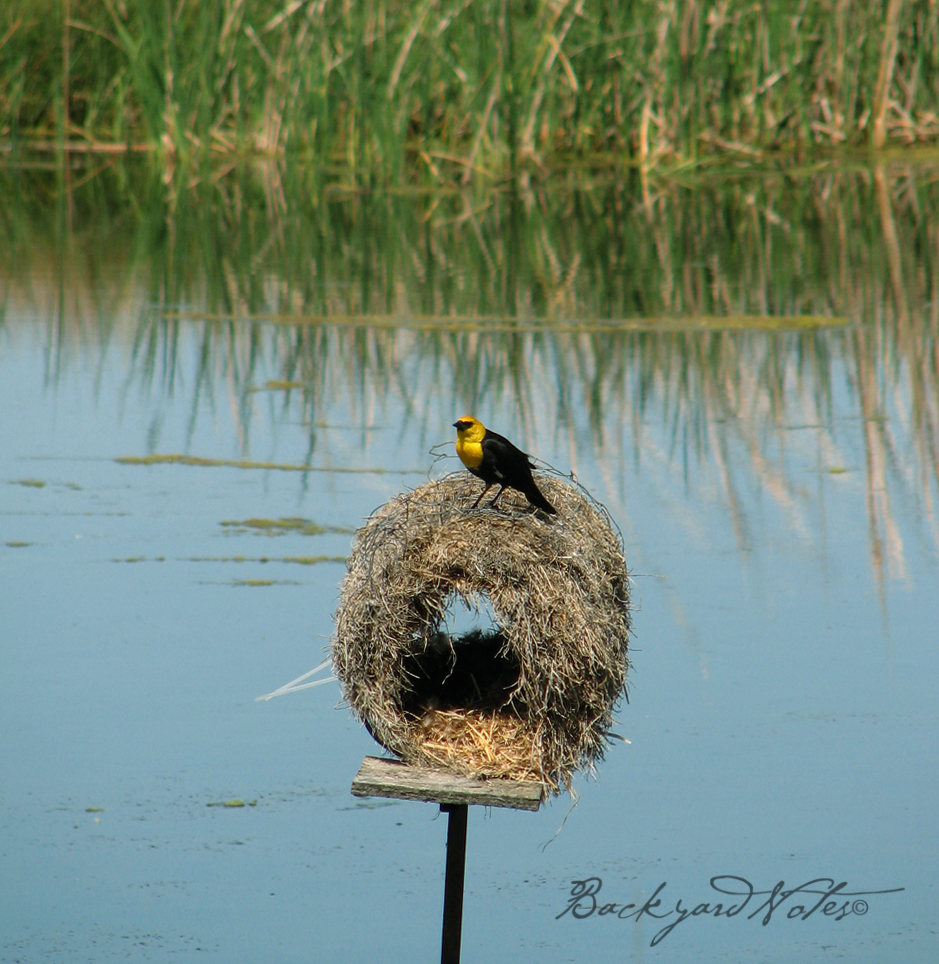
Some fair bird watching although most of the spring migration is over. We did see quite a few yellowheaded black birds which we do not see on the west side of the mountains, so that was exciting for us. Also, at the north end of the reservoir is a very large rookery for Great Blue Herons, Great White Egrets, Black-crowned Night Herons, and Cormorants. The rookery area is closed at this time of the year and the birds can be viewed only with binoculars or a good scope.

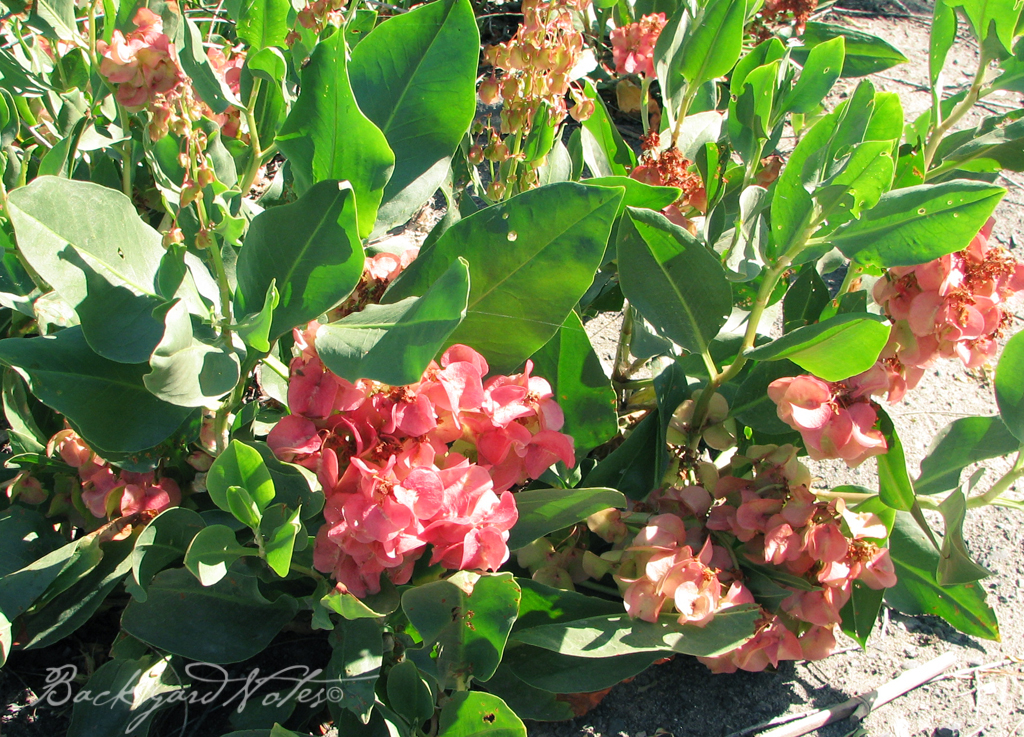
This is rumex venosus, or winged dock and we spotted it growing in sand dunes and near the rookery. This was new to me and I was able to identify it and other flora spotted on this trip thanks to this website, a real find with beautiful photographs of wildflowers found in the Pacific Northwest. A common culinary variety of rumex is sorrel, a perennial, tart garden green.

Before we left I picked enough fava beans for a salad dressed with lemon juice, a fruity olive oil, and some shavings of pecorino cheese for our first night out. They were sweet, small and green…heaven! Today, I was scanning DigginFood and saw a way to use the green fava leaves—new to me—so I will give them a try since I have two long rows of plants.

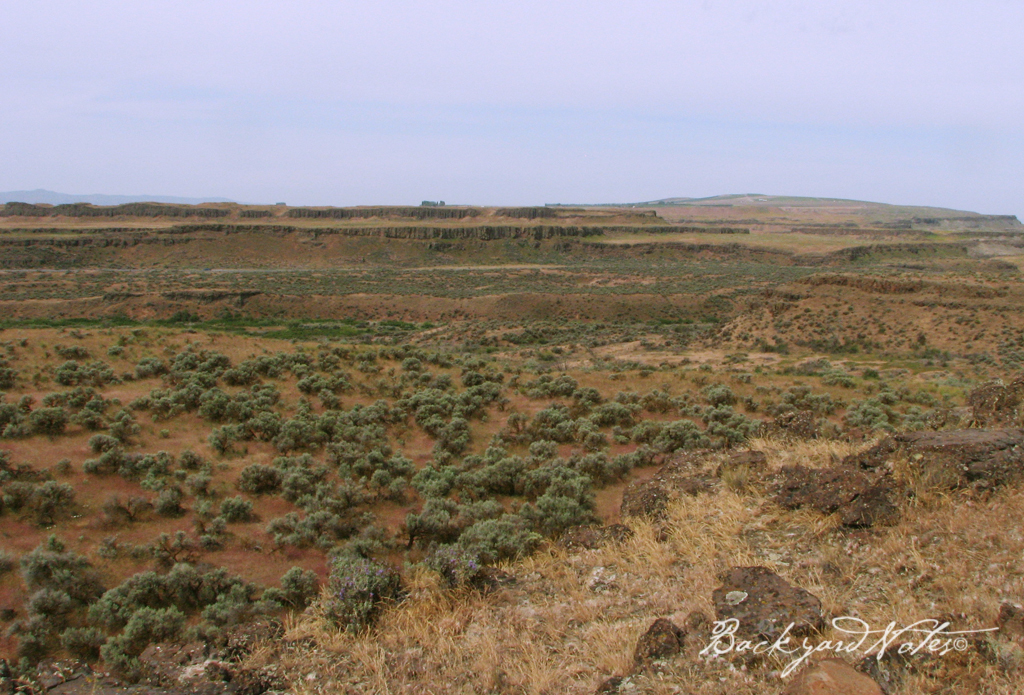
Since I am interested in plants wherever we travel, this trip was no exception. The plant life in a shrub-steppe-desert environment is vastly different from the wet side of the Cascades. A lot of sagebrush, many types of grasses, and wildflowers. On Sunday we hiked up to the Goose Lakes Plateau for a splendid view of the seep lakes and channeled scablands. Vertical basalt walls rise about two hundred feet above the marshlands and lakes.

Salvia dorii. On the left the pre-bloom stage, on the right in bloom.

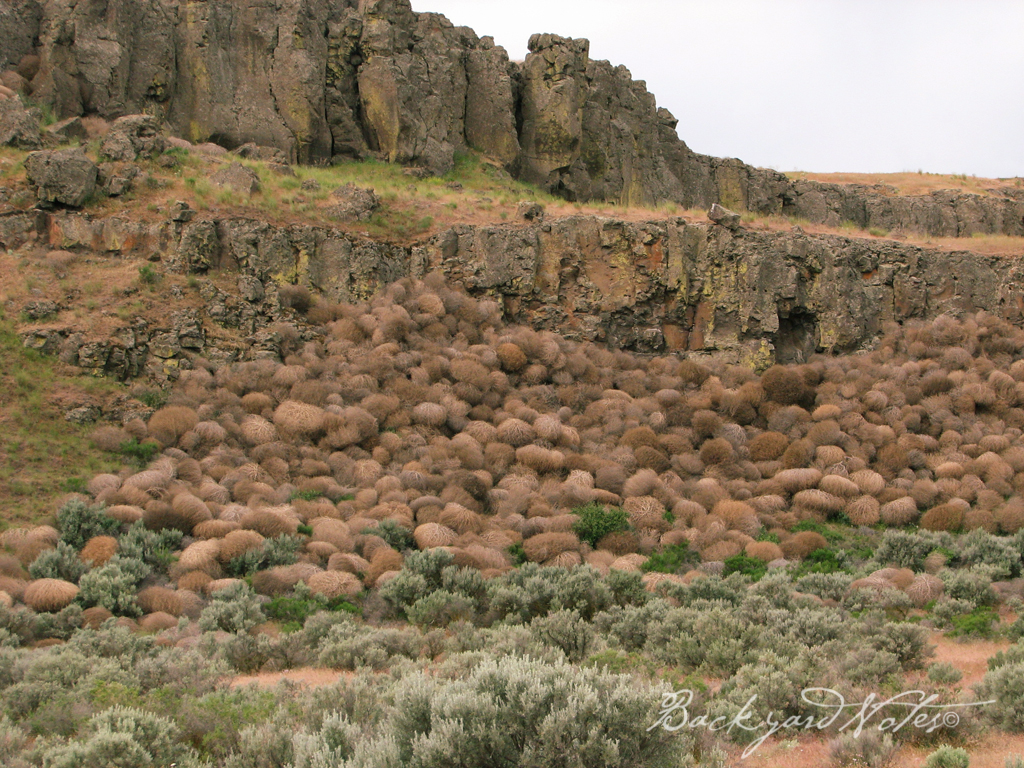
As we pulled up to trailhead parking on the Morgan Lakes road we saw these tumbleweeds piled up at the bottom of east facing cliffs. Where did they come from? We saw no evidence of tumbleweeds growing in the vicinity. It was a curious and oddly beautiful tableau.

Alas, the weather turned on Monday and we headed back west to Vantage for a side trip to the Ginkgo Petrified Forest, only to meet rain from Vantage to the east slope of Snoqualmie Pass, but found sunshine at home in West Seattle. More to see around the Potholes in another trip. Maybe some fishing next time too.

This afternoon we we’re back to spring rain.  Good for the garden and indoor art projects.