HOORAY FOR SPRING, PEAS, AND FAVA BEANS!

Tags

, , , , , , , ,

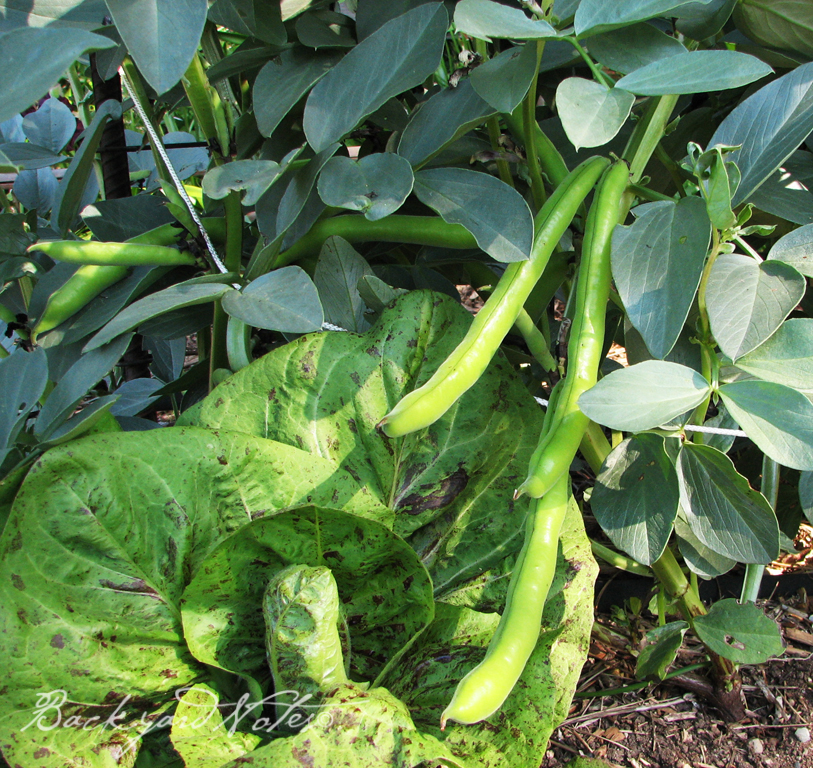
PICKING THE FIRST PEAS AND FAVA BEANS OF SPRING IS SHEER JOY! The favas may need another four to five days, but we’ll see. I planted two varieties, Negreta (3ft tall) and Aqua Dulce (5ft tall). The Negreta are about a week or more ahead of the Aqua Dulce for harvesting.
And, the some of peas that were a real mixed bag of age, varieties, and viability and planted in December are nearly ready to harvest. Can I exercise a little restraint and keep myself from picking a pod or two as I admire them?
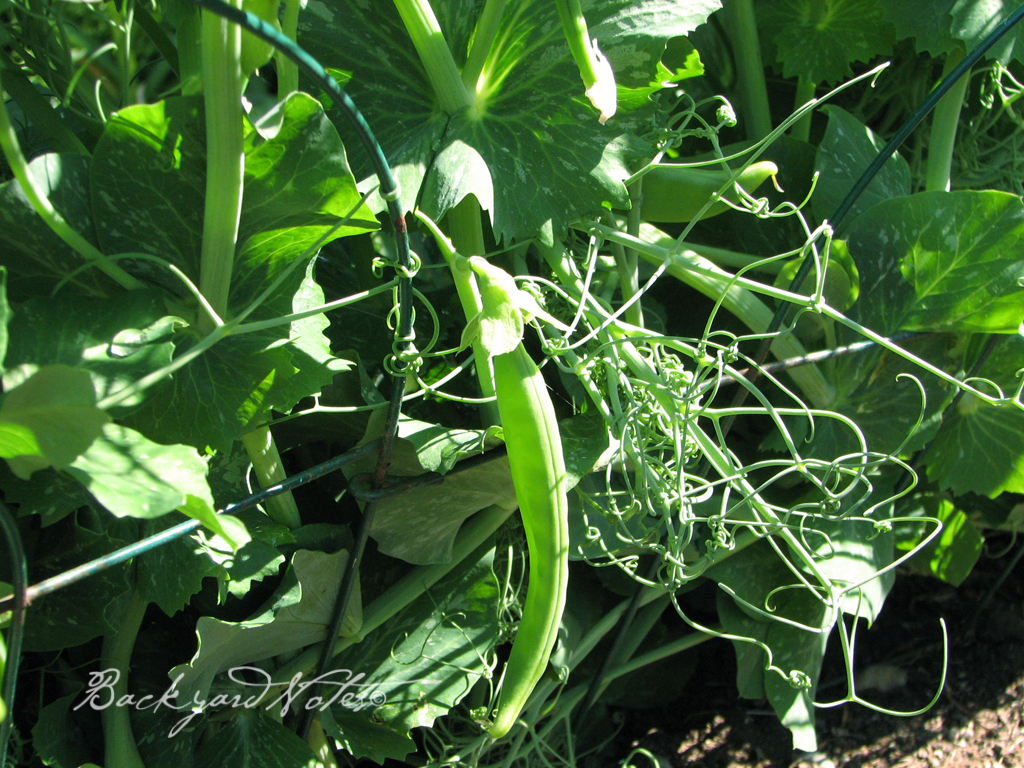
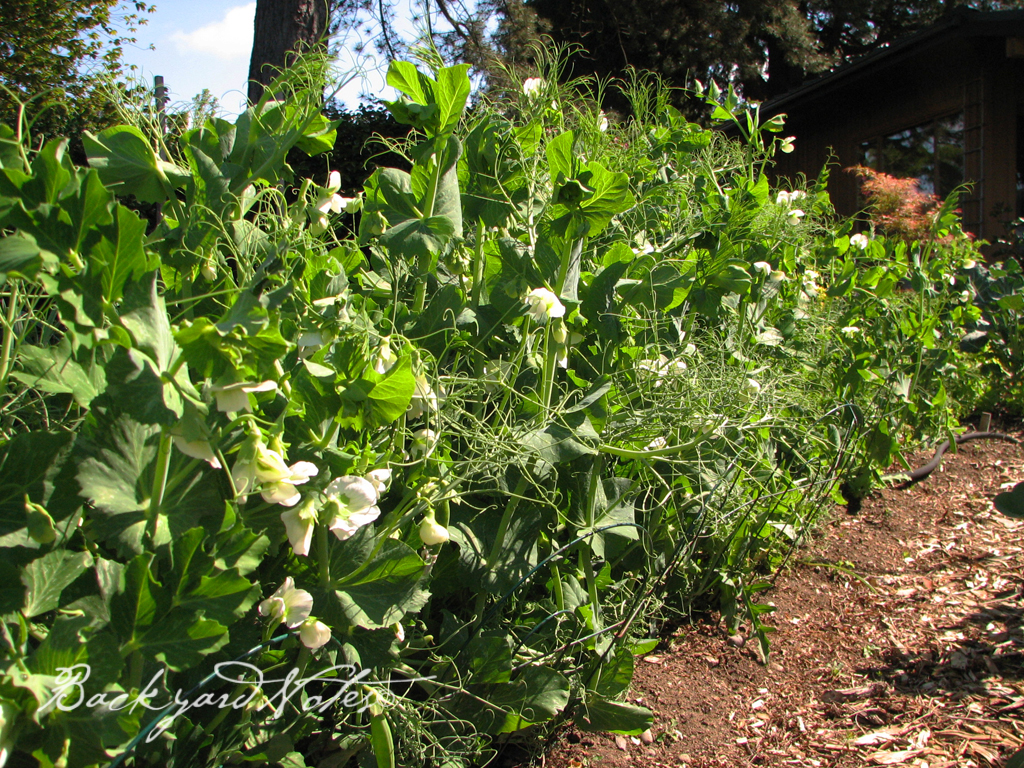
They have really taken off!
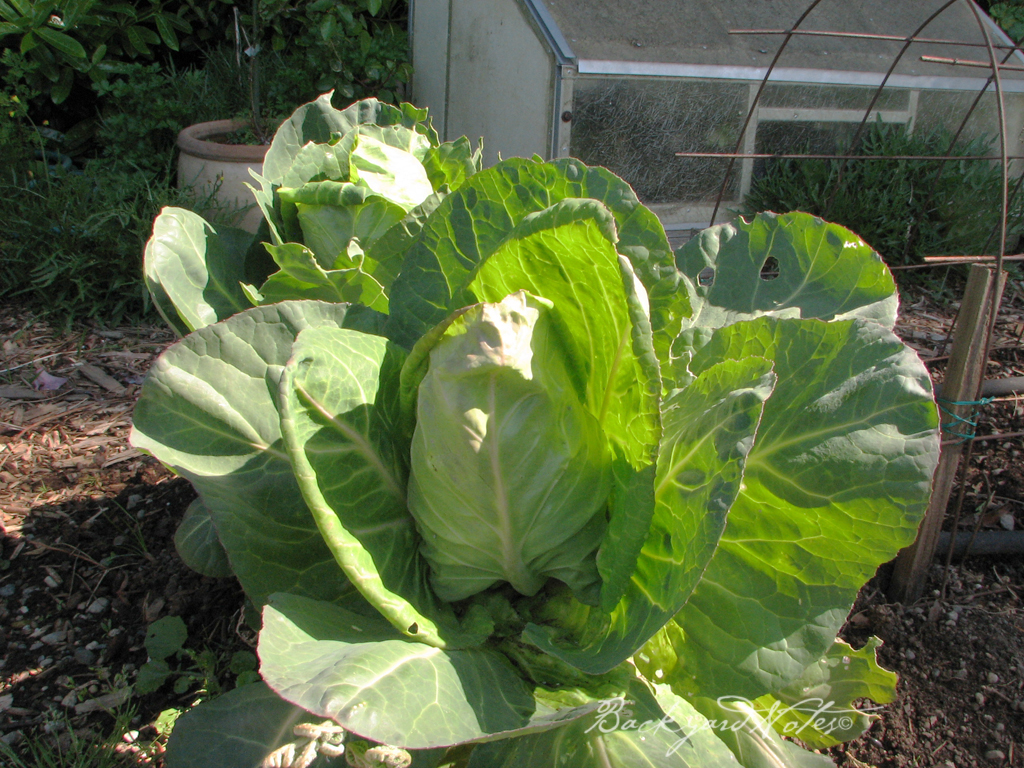
The Arrowhead cabbage that I planted last fall are nearly ready to harvest too, it’s surprising since the other cabbages have long since bolted. One Savoy is still forming a head.
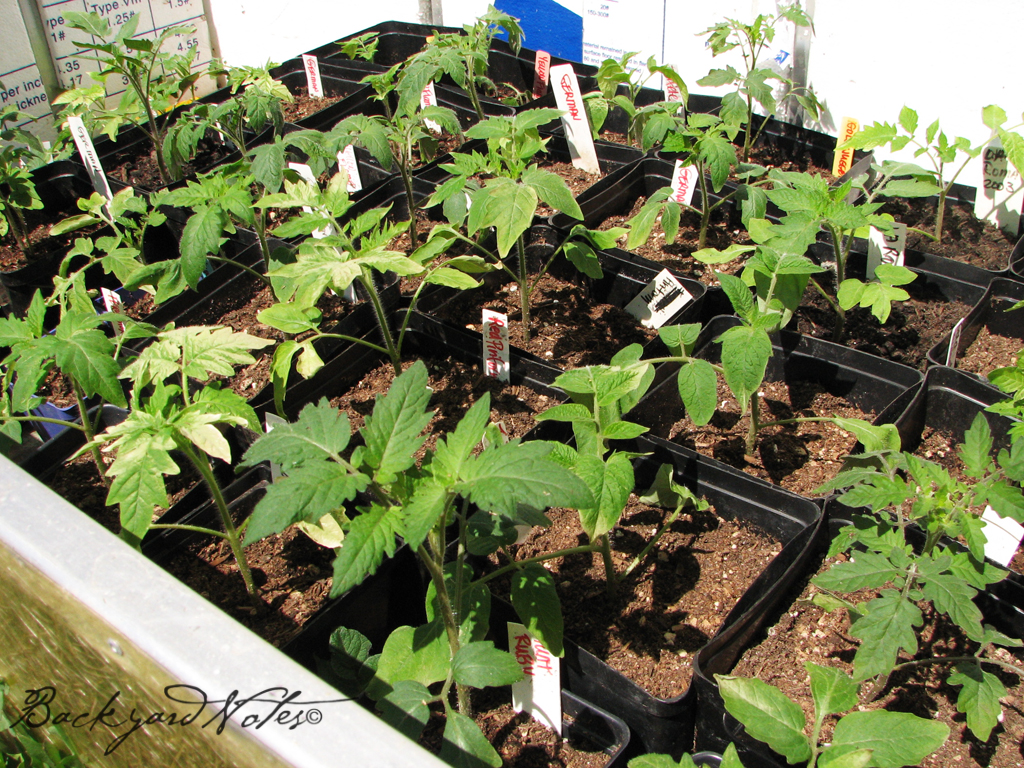
On Friday and Saturday I transplanted all of the tomatoes and some of peppers, most into one gallon pots, then into the coldframe they went. They were twenty-eight days since seeding. Tomatoes grow like weeds; happily for us they certainly taste better! Just about the time they are ready to outgrow the coldframe, the fava beans should be nearly done and can come out to make room for tomatoes.
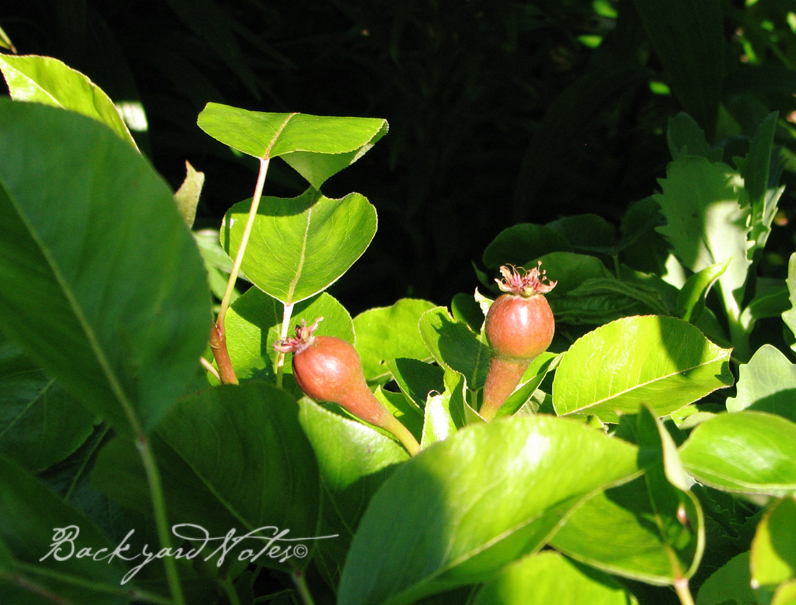
I’m excited to see that we will indeed have pears. There quite a few of each type. We’ll wait another week or so before thinning them. These are the Bartlett’s. This is a great time of year!
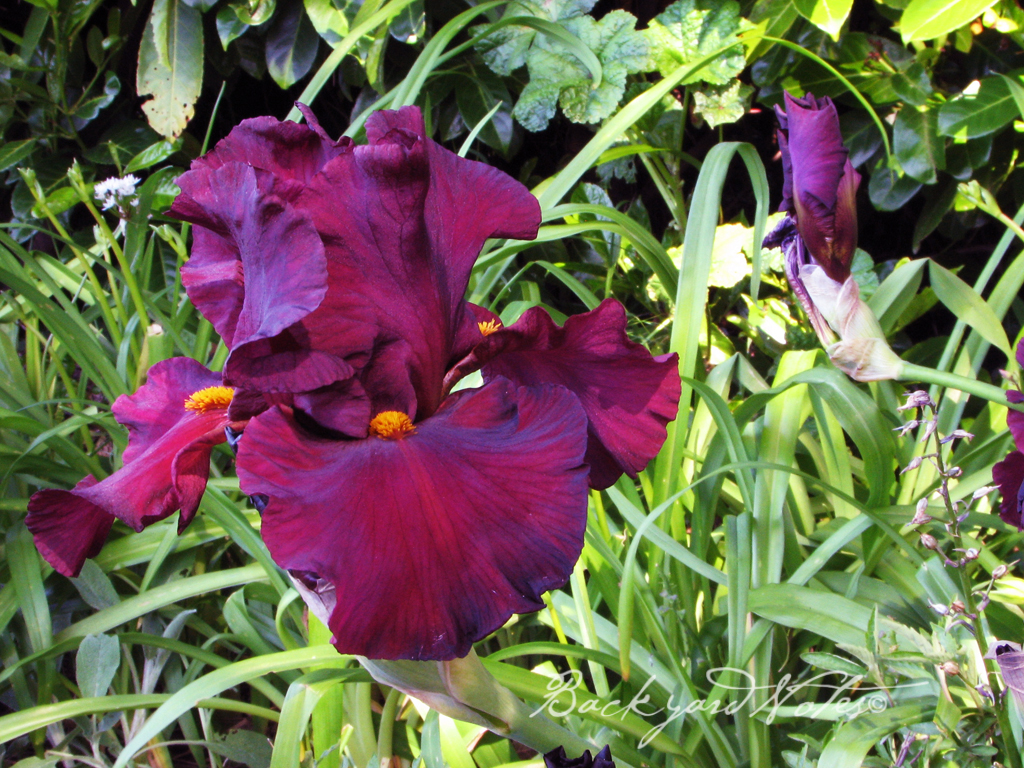
In the flower garden, the iris ‘Saturday Night Fever is in full swing. Very large flower and tall stalks. I purchased this one at the Seattle flower and Garden Show about ten years ago and it has multiplied nicely. Time to divide this year after blooming has finished.
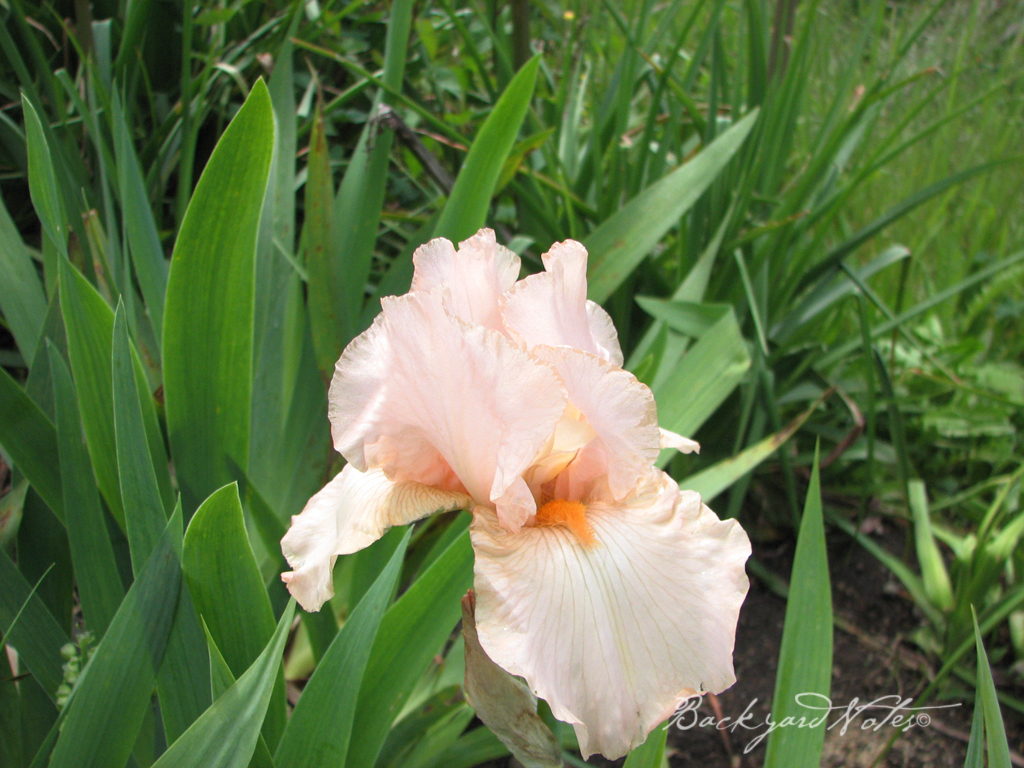
Another lovely, delicate bearded iris is ‘Lenora Pearl‘ from White Flower Farm. It is a reblooming iris, blooming again in the fall. This has proved quite vigorous and in also ready for division after ten or elven years.

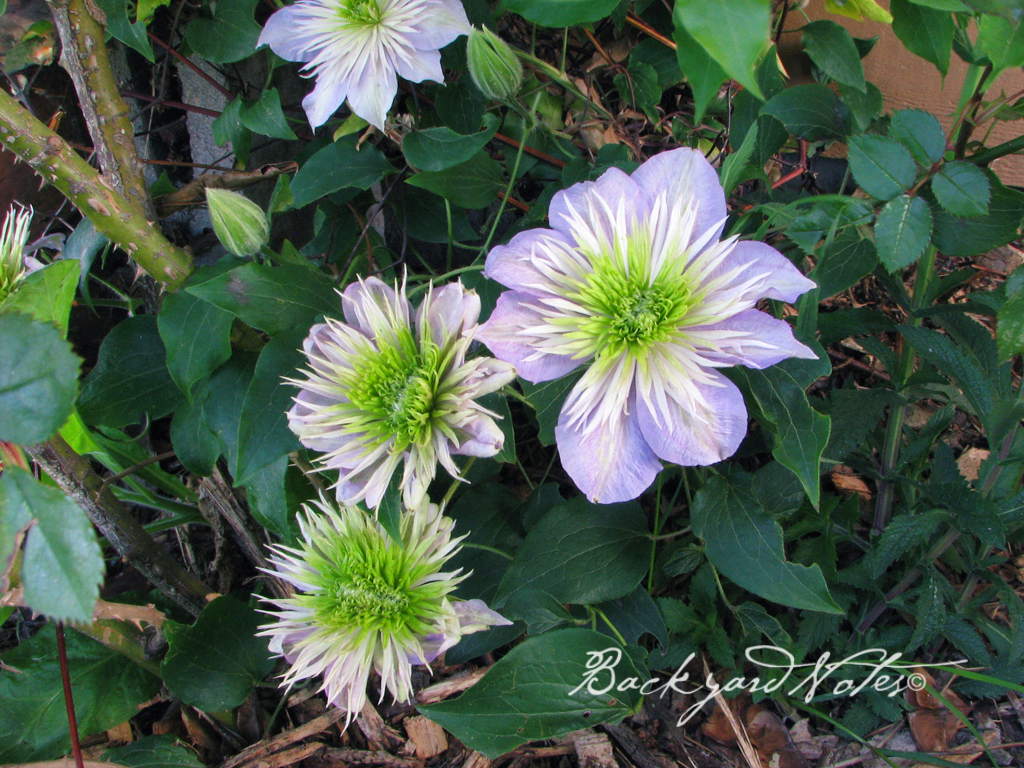
We have several clematis trellised up against the house and this one, ‘Crystal Fountain’, is quite showy. Deb and I each bought one from here in 2005. I kept mine in a pot on the deck until last fall when it went into the ground (much happier and growing like crazy), against the house and behind the miniature climbing rose, The ‘Rocketeer’. This clematis is a rebloomer throughout the summer.
Time now to attend to matters outdoors and take advantage of more fabulous weather–predicted to last the rest of the week!
HAIL MAY! FLORAL FANTASIES IN VICTORIA
Tags

, , , ,

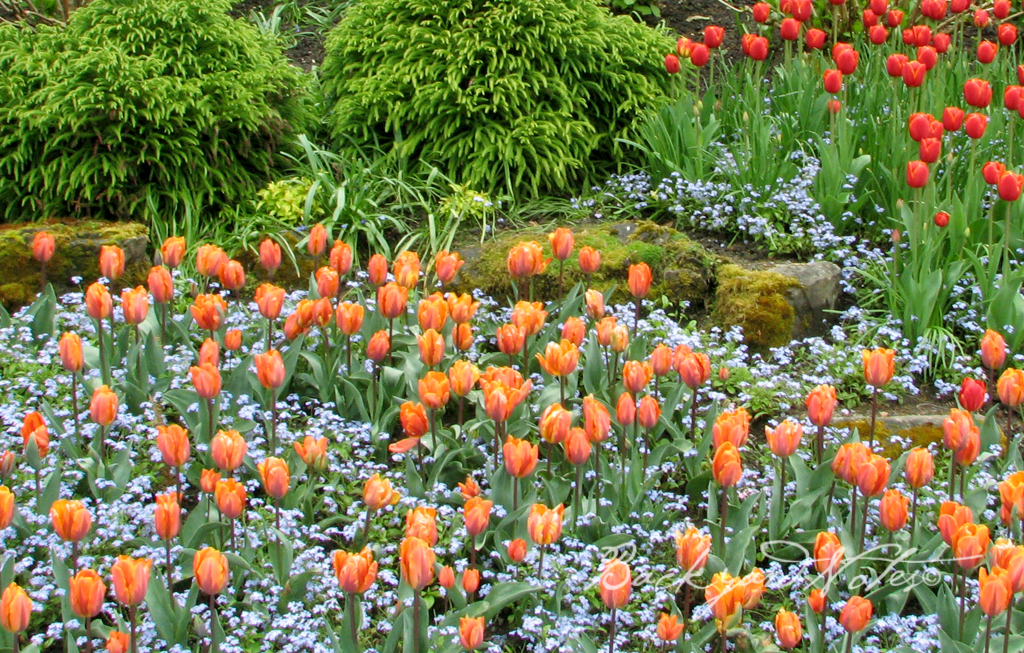
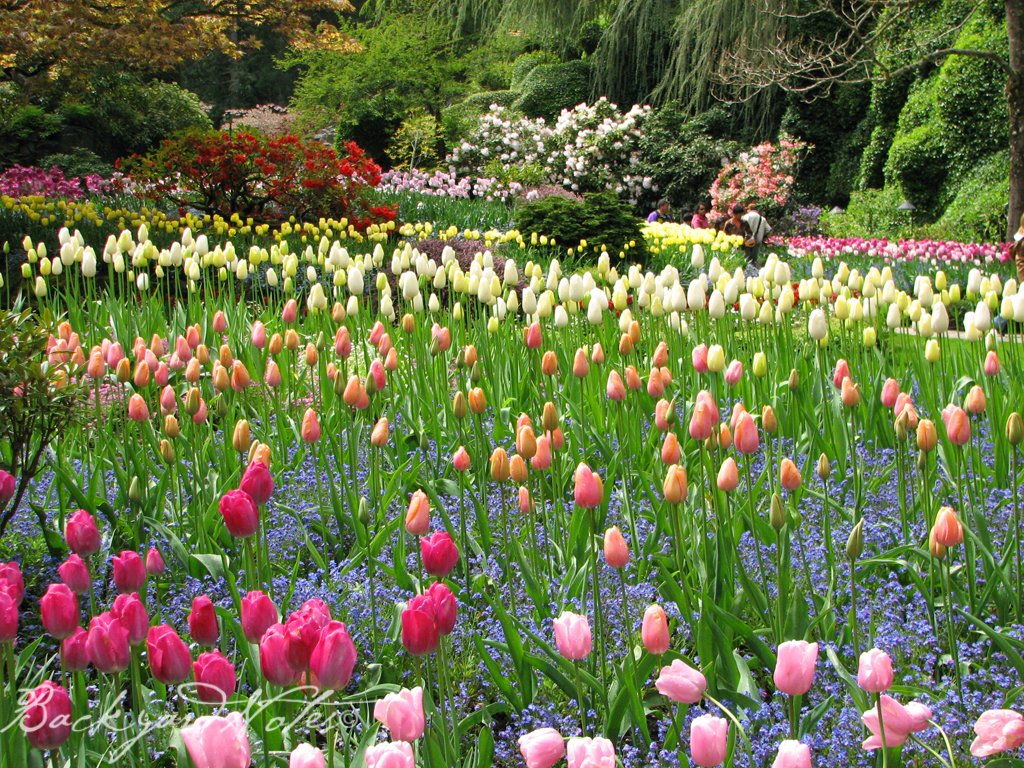
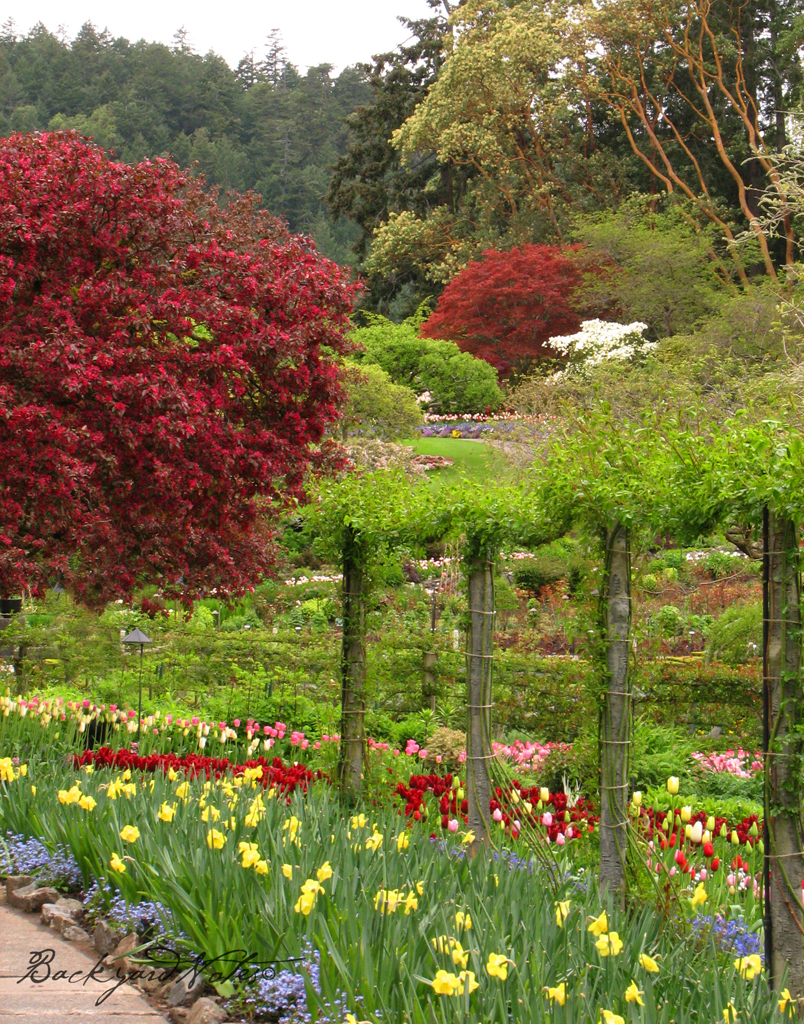
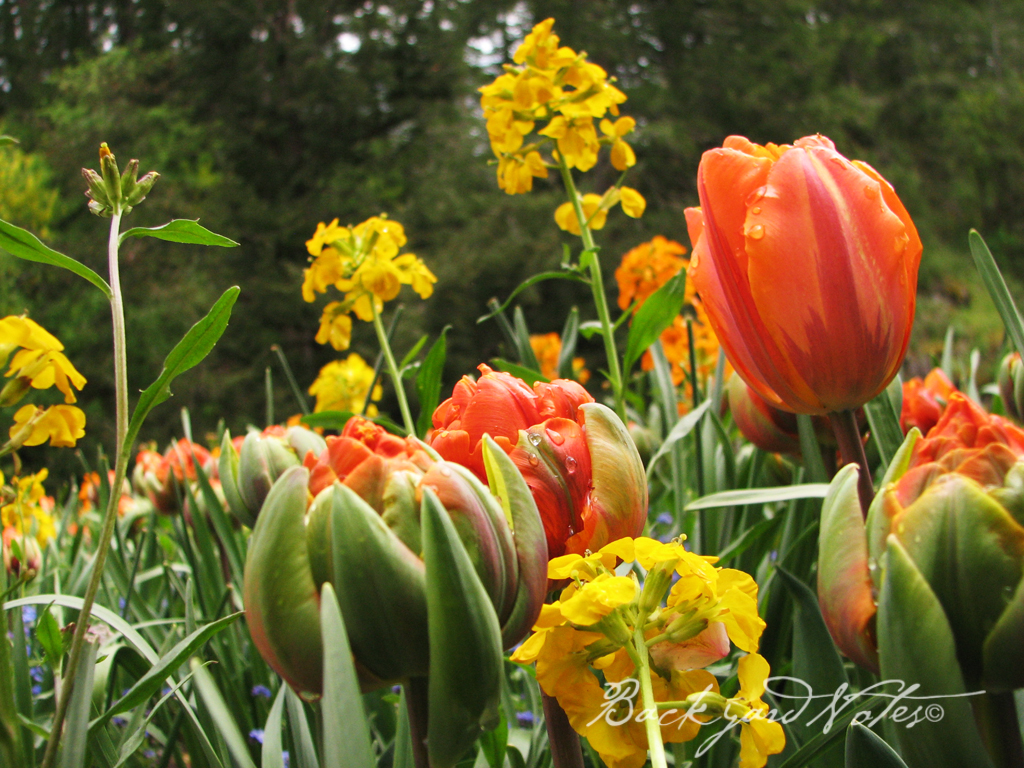
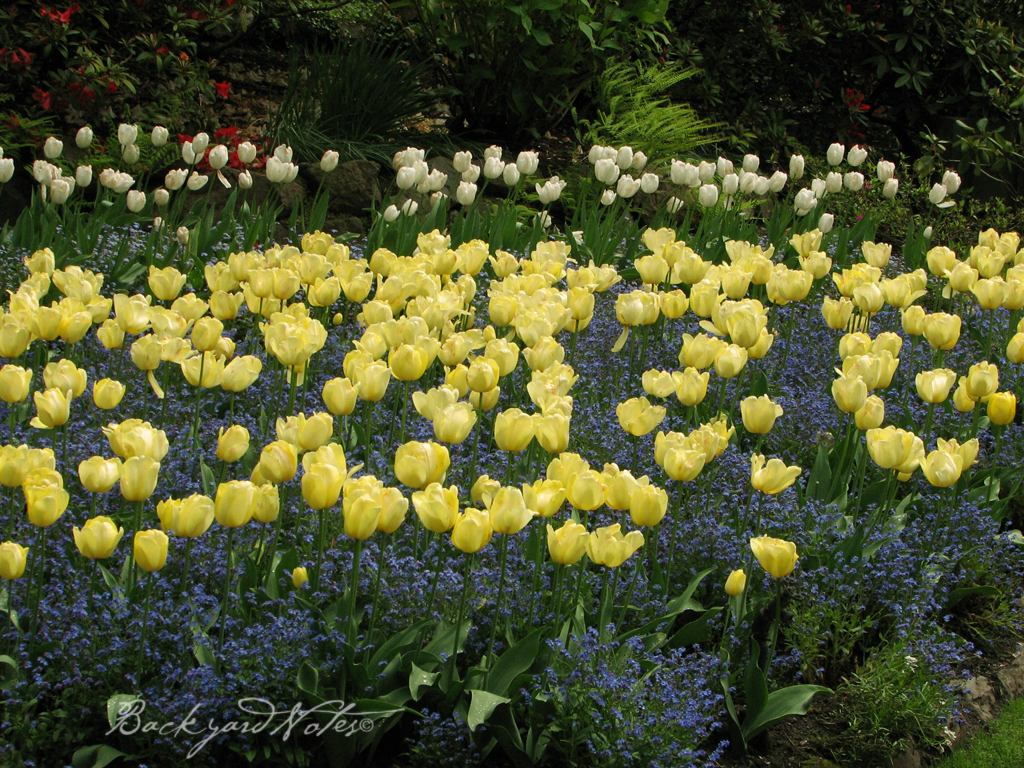
THREE SISTERS AND TWO MOTHERS PARADED THROUGH BUTCHART GARDENS on Wednesday afternoon and were rewarded with the stunning sight of thousands and thousands of blooming tulips and more. It was a fitting way to spend a pre-Mother’sDay in May. The sisters gifted the trip to Victoria, British Columbia to the mothers (one MIL) at Christmas. We all decided that May would be optimal for spring flowers at the Butchart Gardens. We departed Seattle for a 3 hour ride across Puget Sound and the Strait of Juan de Fuca to Victoria, on the 8:00 a.m. sailing of the Victoria Clipper. From the harbor in Victoria we boarded a bus to Butchart Gardens, about an hour north. Weather was partly cloudy and a little cool to begin our walk, but the sun made full its presence later in the afternoon. A panoply of color and form greeted us at every turn.

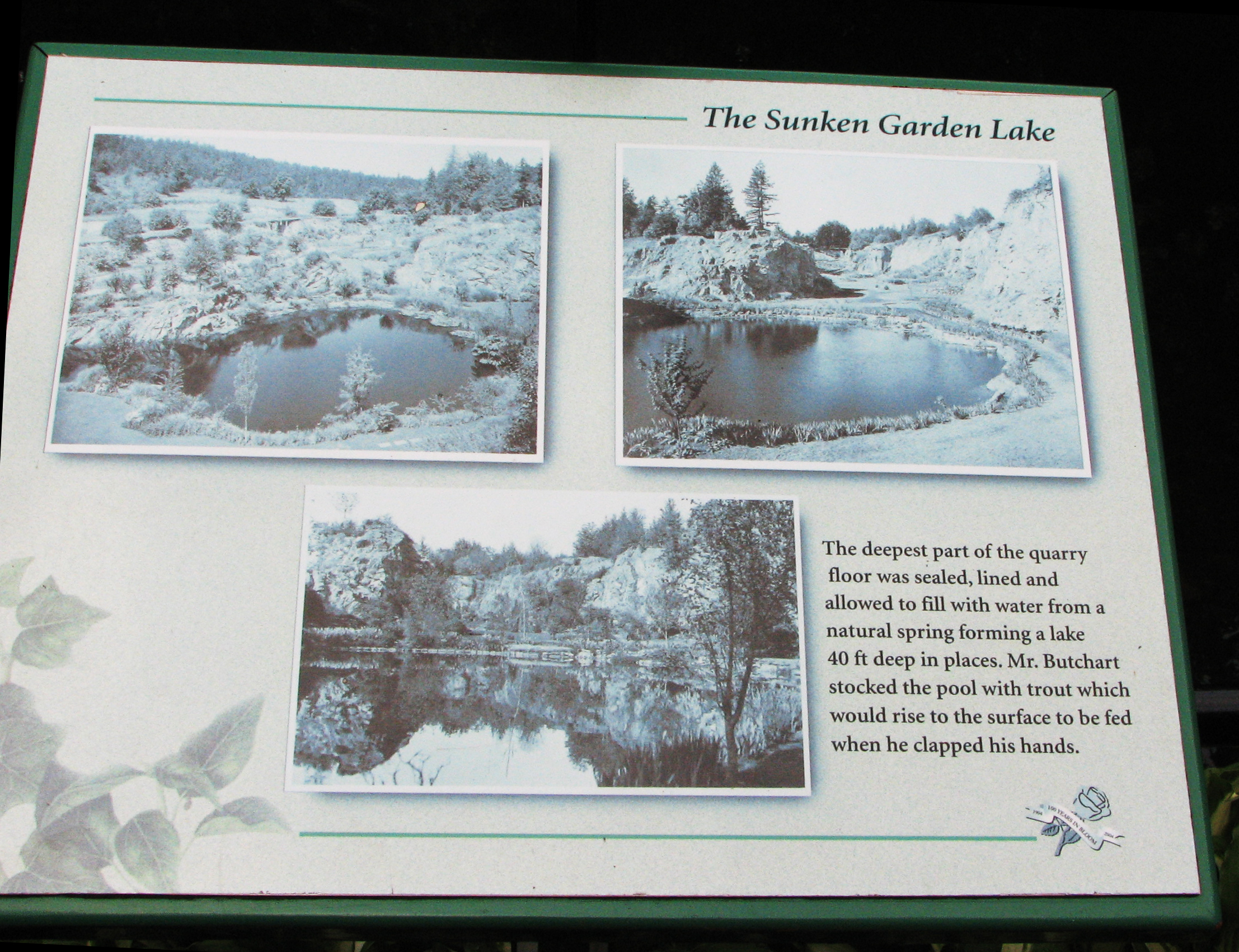
The gardens were created in an old limestone quarry by Jennie Butchart, wife Robert Butchart the quarry owner: “As Mr. Butchart exhausted the limestone in the quarry near their house, his enterprising wife, Jennie, conceived an unprecedented plan for refurbishing the bleak pit. From farmland nearby she requisitioned tons of top soil, had it brought to Tod Inlet by horse and cart, and used it to line the floor of the abandoned quarry. Little by little, under Jennie Butchart’s  supervision, the abandoned quarry blossomed into the spectacular Sunken Garden.

By 1908, reflecting their world travels, the Butcharts had created a Japanese Garden on the sea-side of their home. Later an Italian Garden was created on the site of their former tennis court, and a fine Rose Garden replaced a large kitchen vegetable patch in 1929.” —Butchart Gardens.com

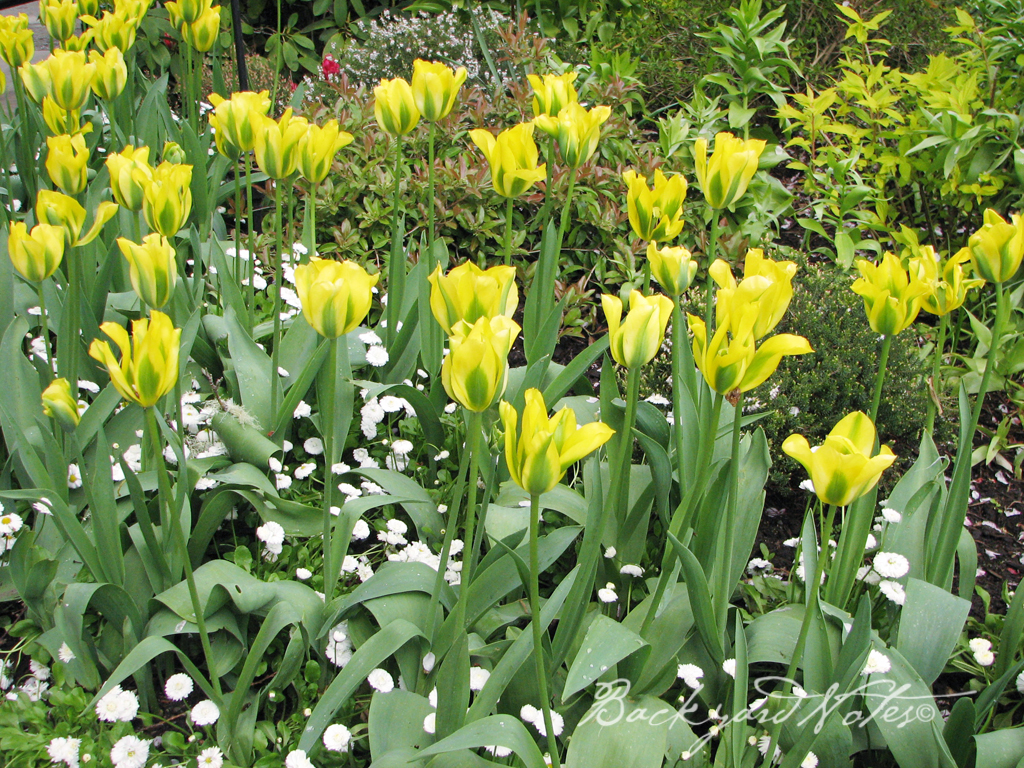
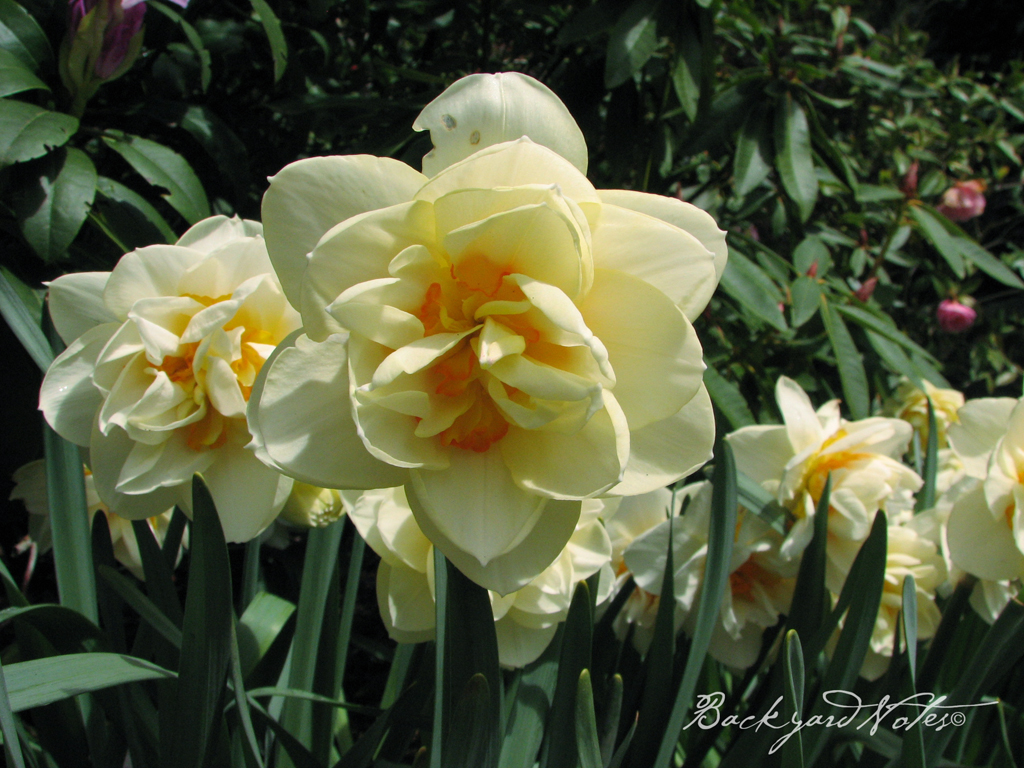
The floral fantasy is the garden’s overwhelming use of tulips and narcissus at this time of the year. Could this ever be possible in your yard? I doubt it–a full time job just to deadhead. My only complaint is a lack of identification for the tulip and narcissus varieties. The garden planners have made extensive use of airy, blue and white Forget-Me-Not, myosotis scorpioides as filler to beautiful effect.

There are broad vistas layered with color and structure throughout the garden to draw one into the garden. Is this a garden or an arboretum? It certainly combines all the elements of each.

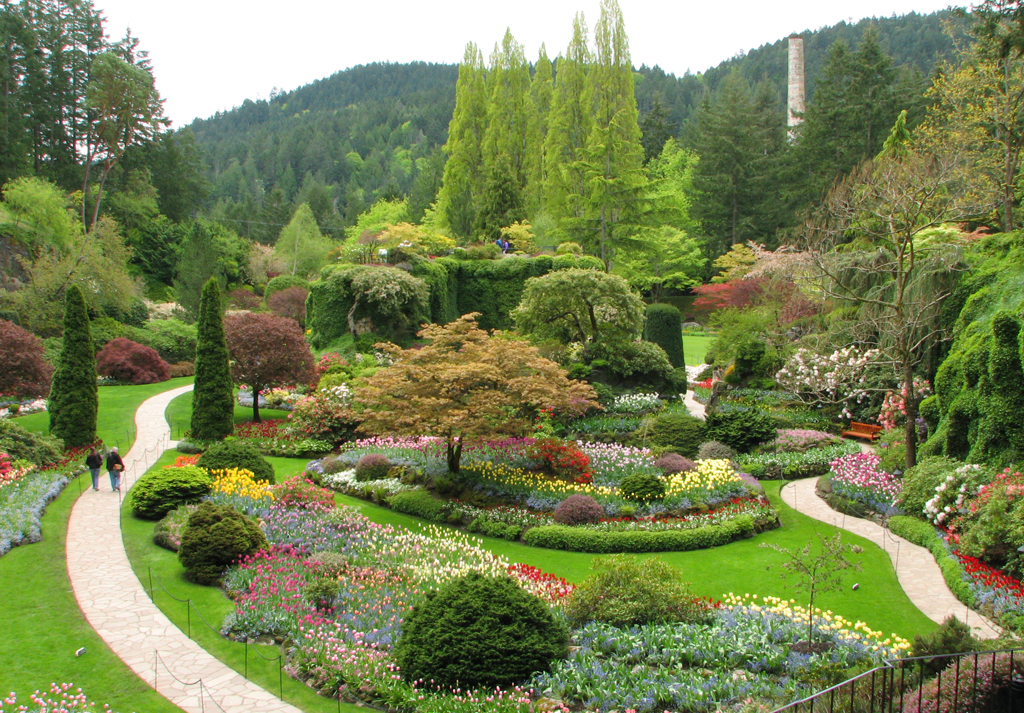
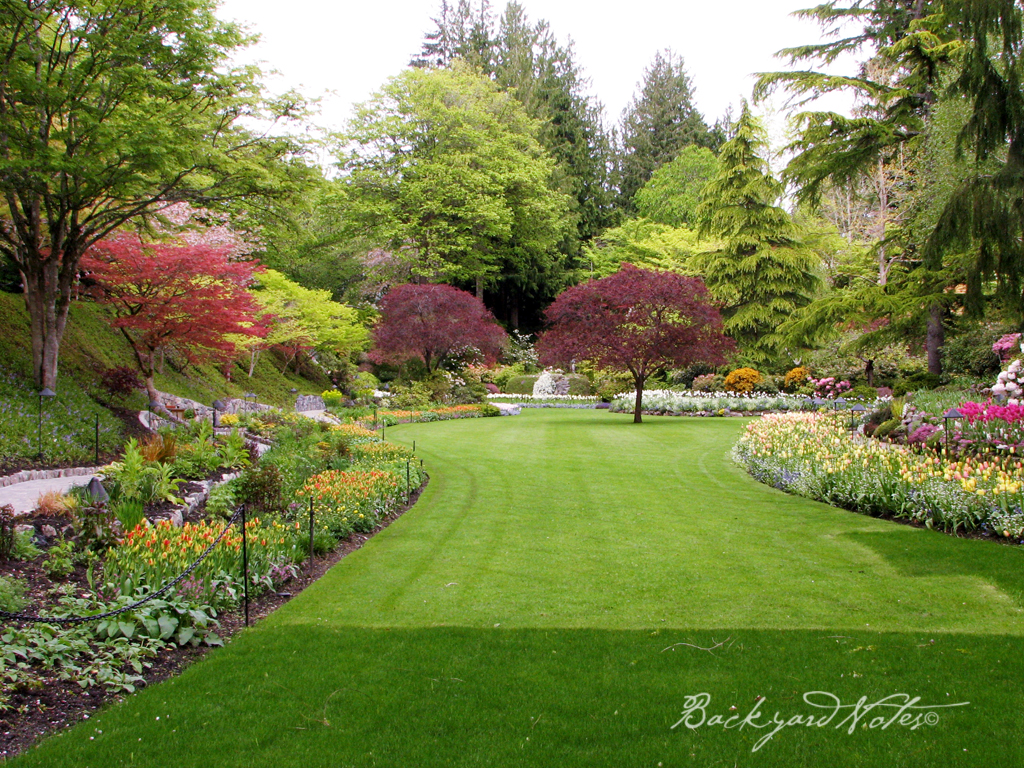
In a garden that is a marvel of design and color, the sunken garden is the centerpiece. It is a startling, OH MY GOSH! sight as you come around a shaded, curving path that opens out to this view.

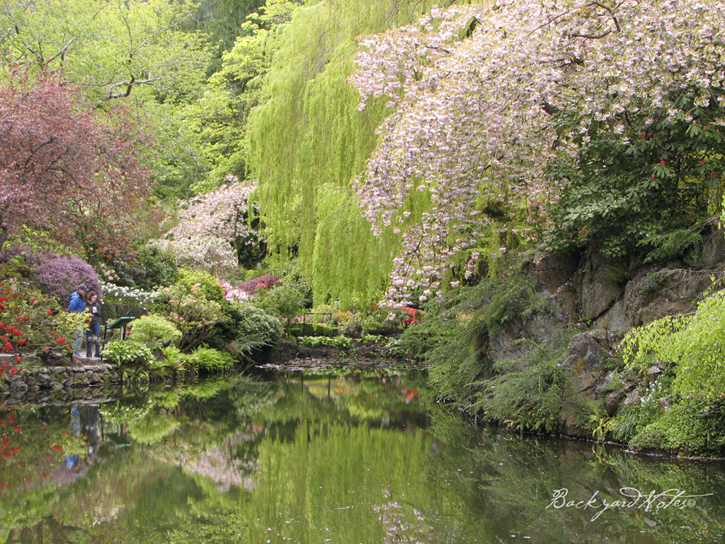
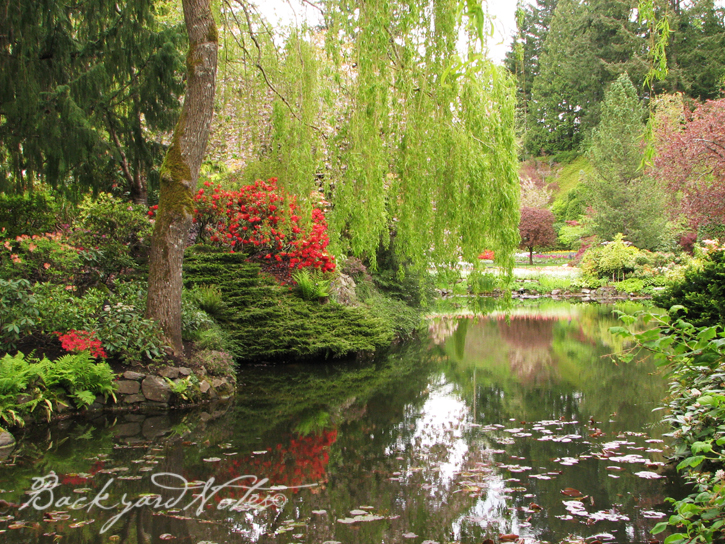
Thousands of tulips are woven together with Japanese maples, rhododendrons, azaleas, and conifers to spectacular effect. At the far end of the sunken garden is the quarry lake.

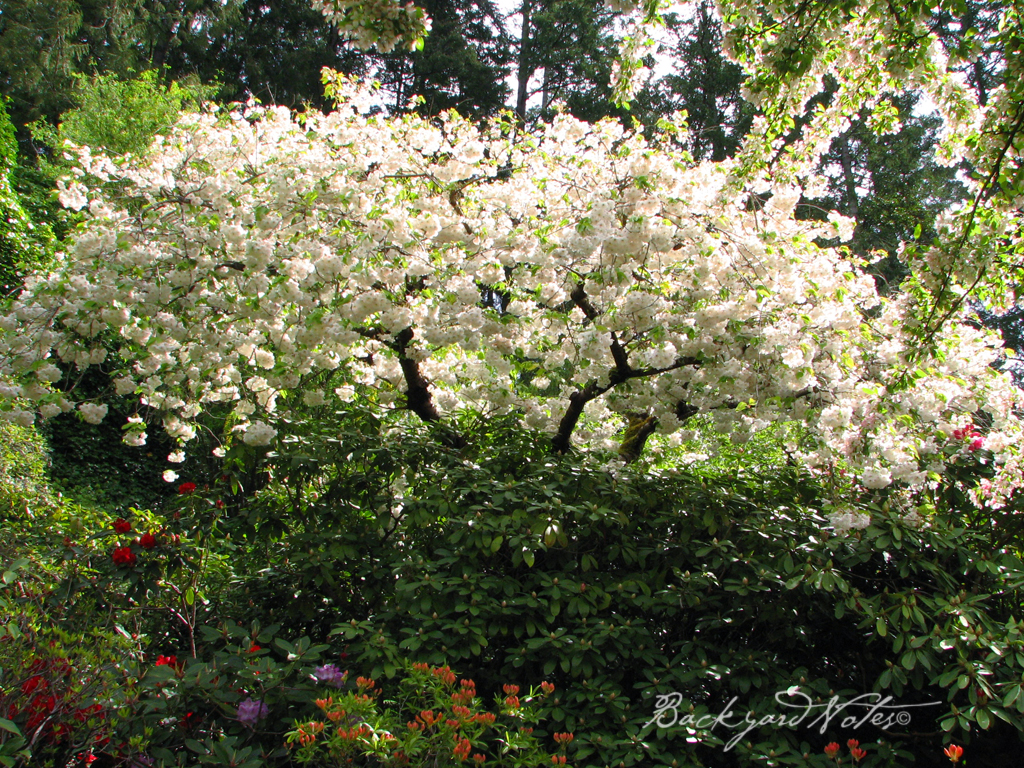
This flowering cherry had great form and lush blossoms and situated above the path so you are forced to look up into it. The white is kind of blown out in this photo, but not too bad.

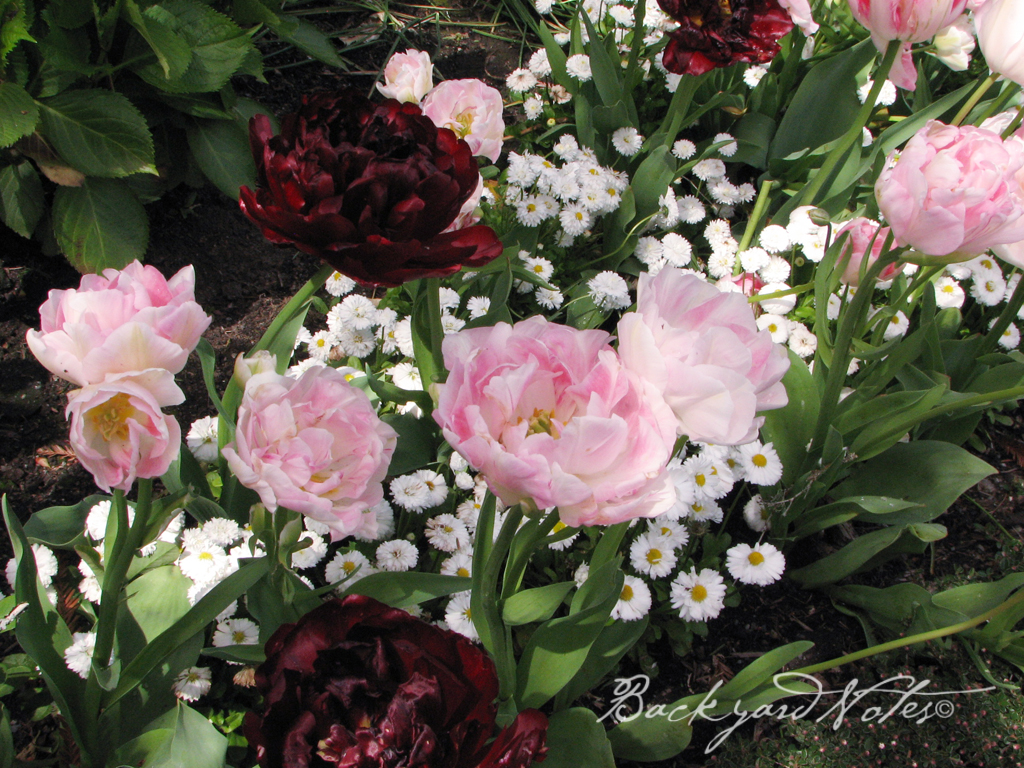
Strolling along the paths here is like being the proverbial kid in the candy store, where do I look next? Candy colored flowers abound. Another filler with tulips is erysimum cheiri, commonly known as Wallflower and charming little English daisies, bellis perennis, in myriad colors.

The very seductive peony-flowered tulip, ‘Angelique’.

Looking back into the sunken garden.

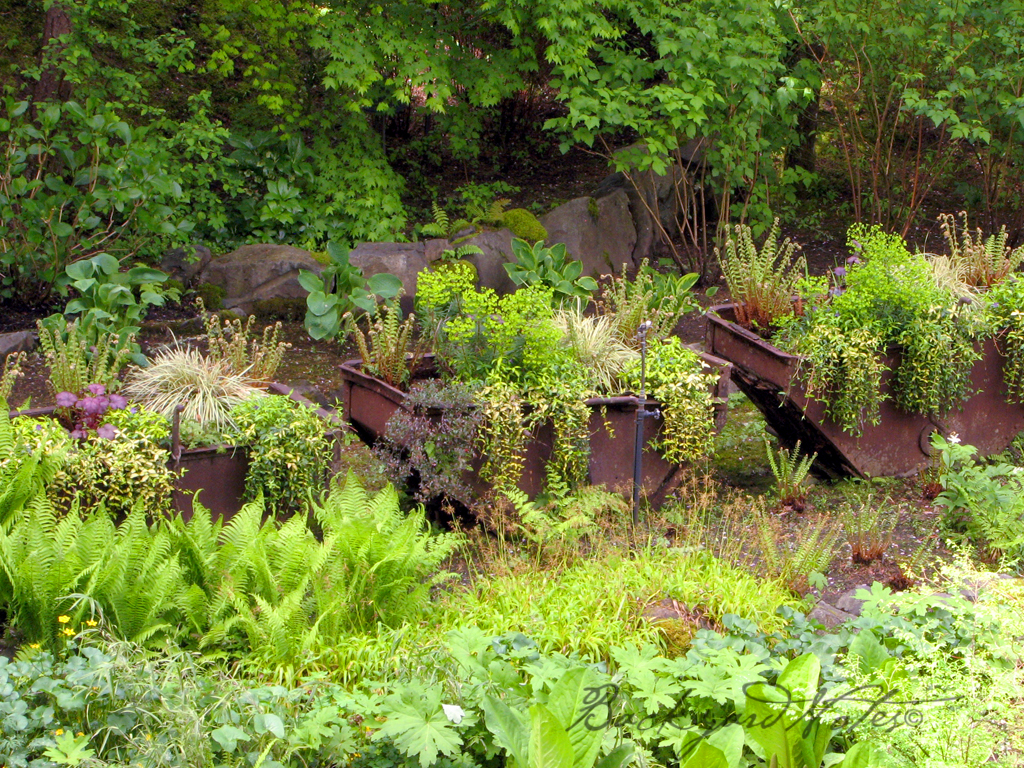
Walking up out of the sunken garden we spotted this clever use of old quarry carts in a boggy area below the path.

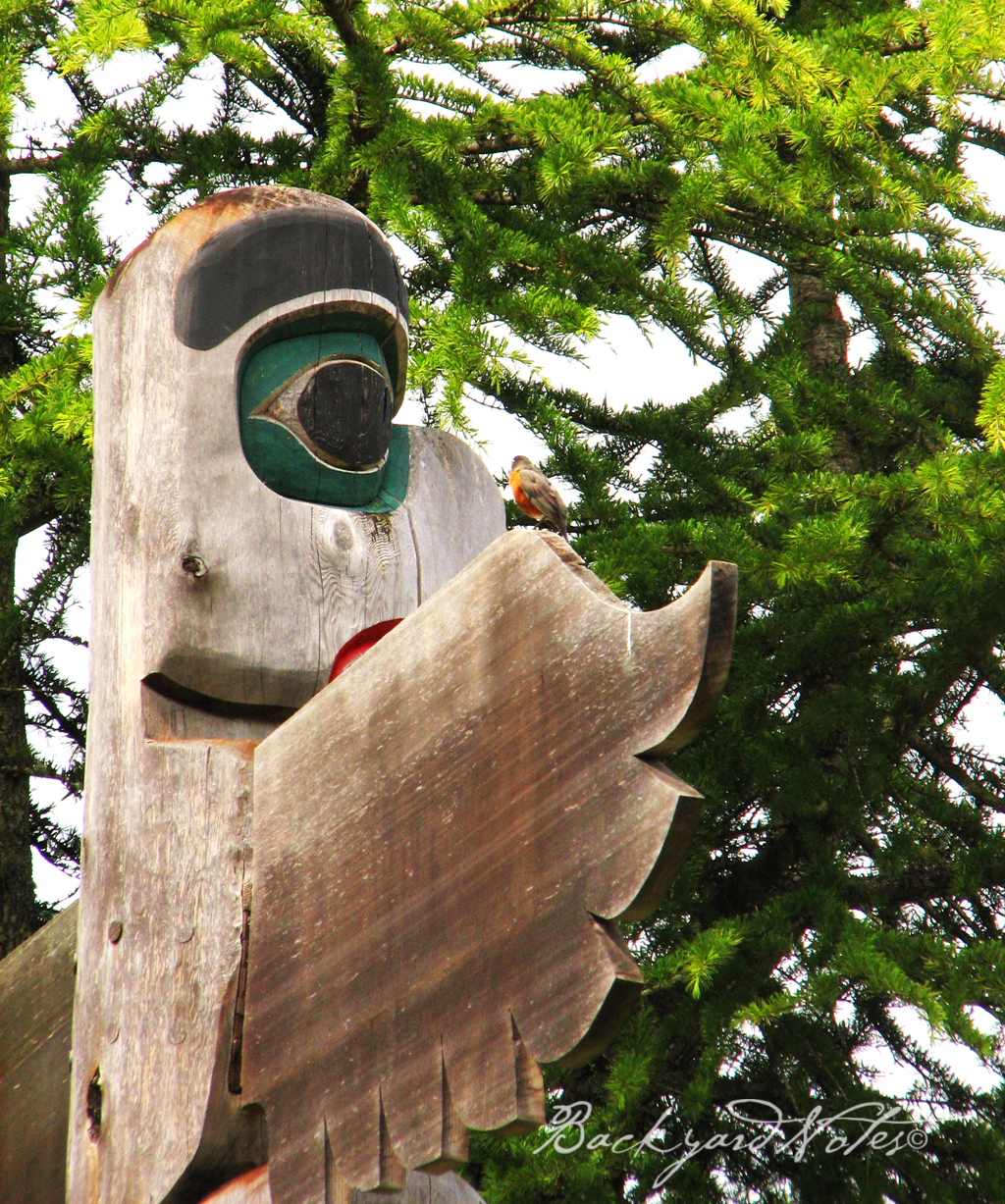
Walking out of the sunken garden brought us to a broad, open lawn planted with cherry, very old apple and rare specimen trees. Looking out over all of this were a couple of totem poles. This little scenario caught my eye: from one bird to another…

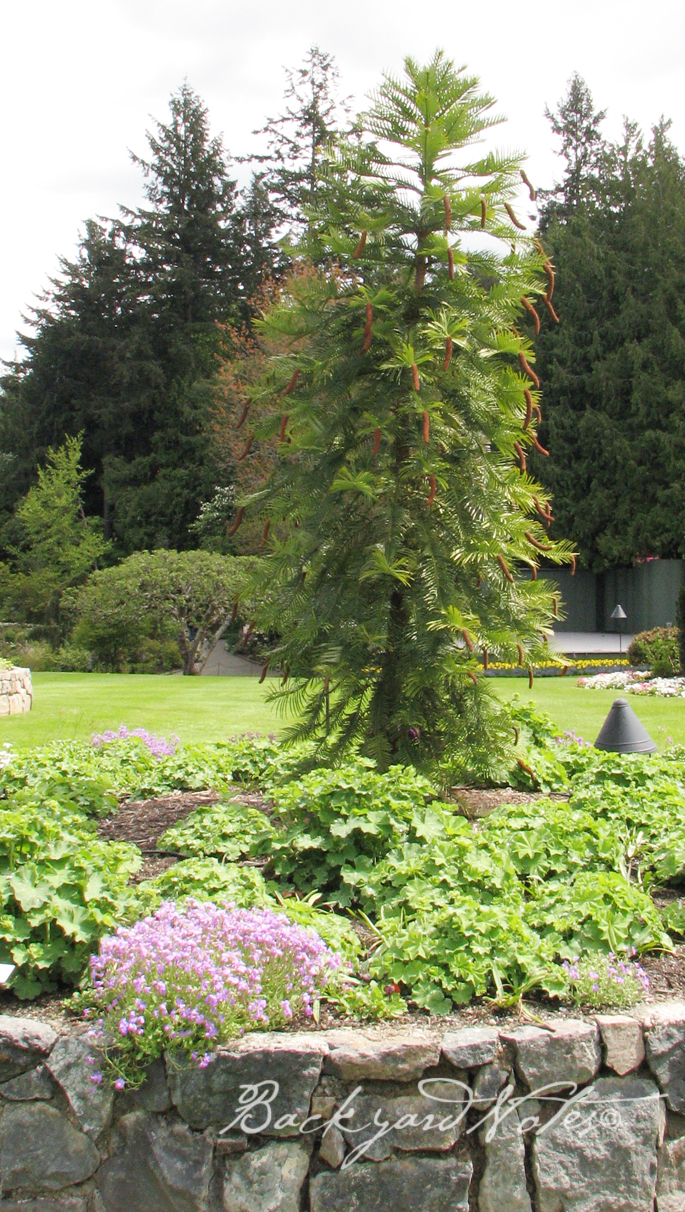
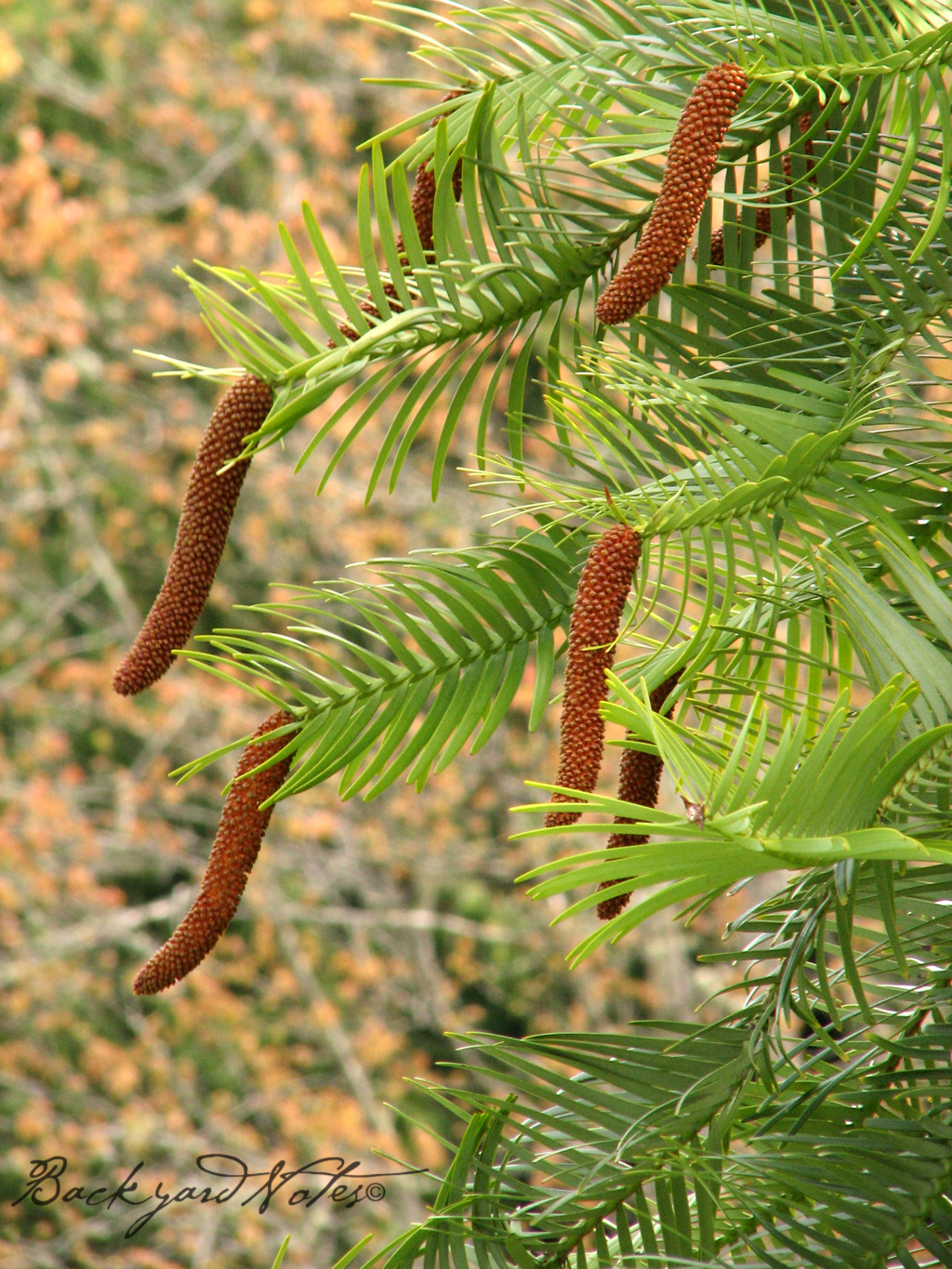
Here is one of the rare specimens, wollemia nobilis from Australia and until quite recently (1994) thought to be extinct. A garden caretaker gave me a quick lesson about its history. This one was planted about six years ago and appears to be thriving.

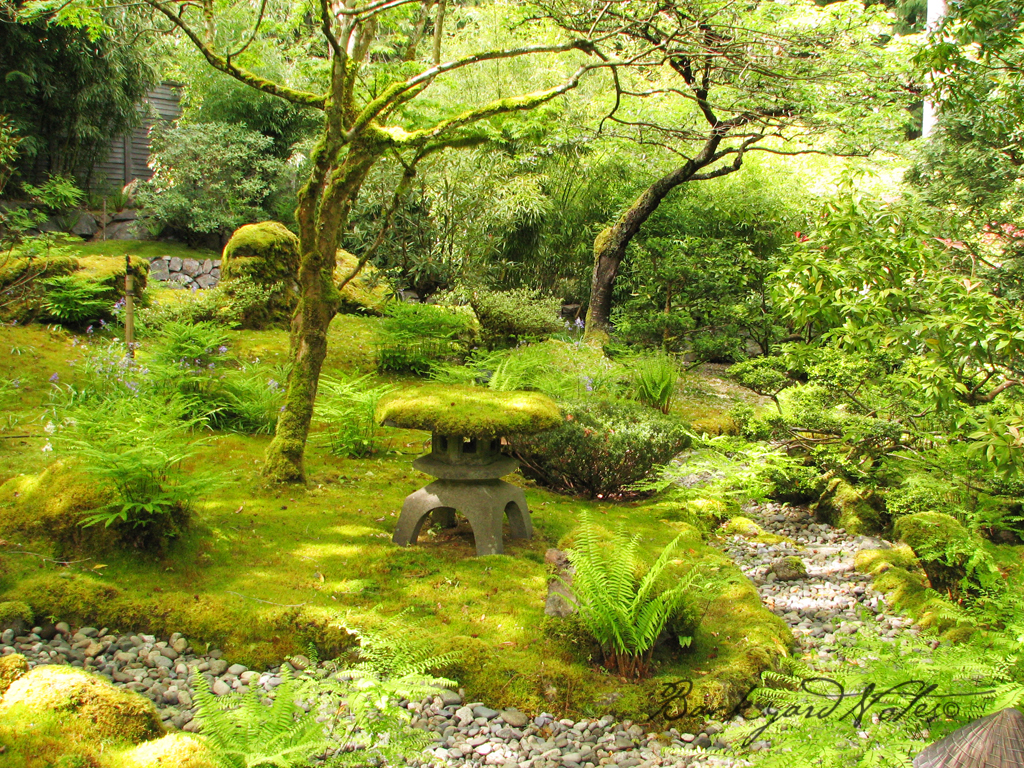
Let’s wrap up the tour with a few shots from the tranquil Japanese Garden before heading back to Victoria and little rest in our rooms before heading back out for dinner and a little walk around the inner harbor.

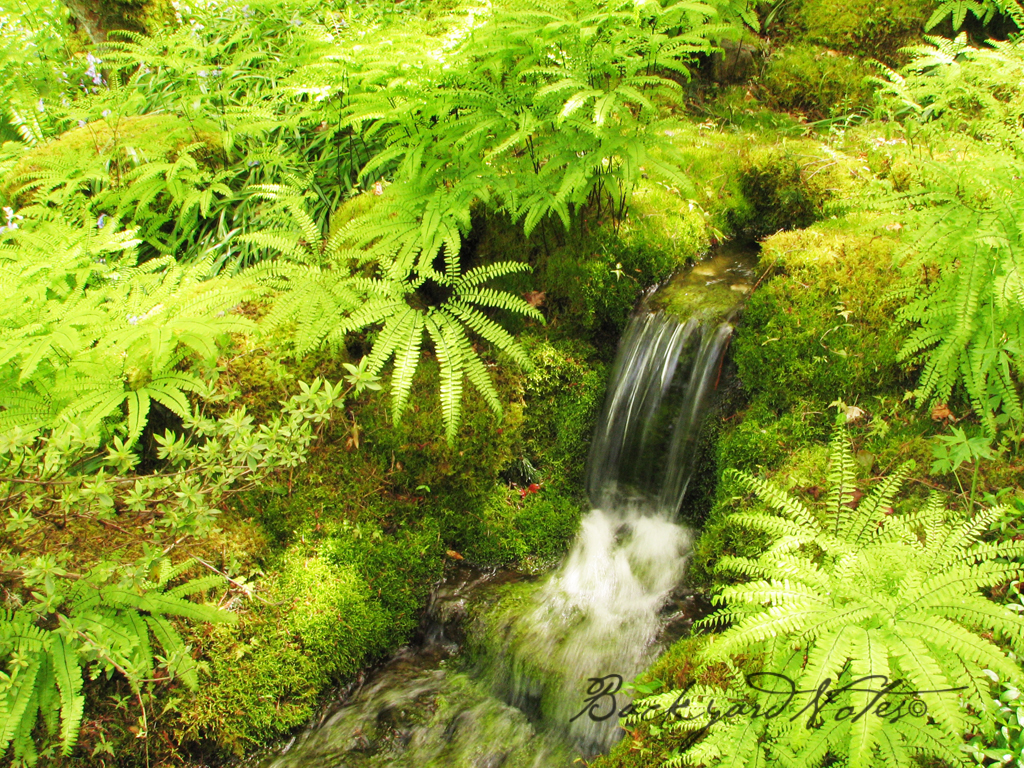
Who doesn’t want a beautiful moss garden with maidenhair fern and a running stream?

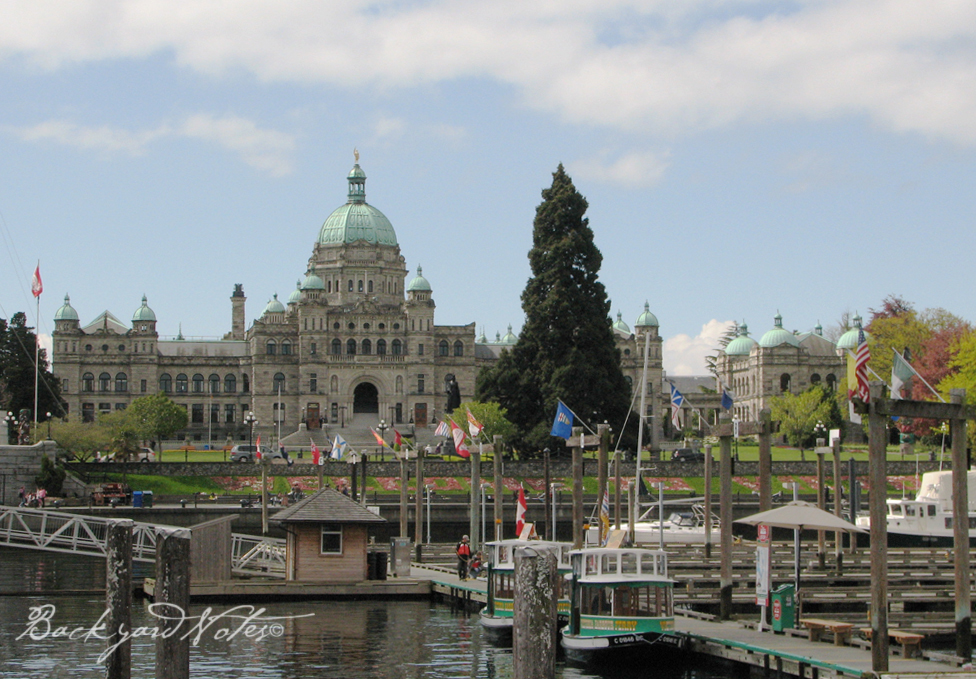
And finally, a look at the harbor and the Provincial Parliament building. After a morning walk with Deb, our last day was spent wandering the downtown area with a little shopping thrown in. We had a lovely time over two days. We’re already making plans for our next mothers and daughters trip: taking the train to Portland, Oregon around Rose Parade time in June 2011!

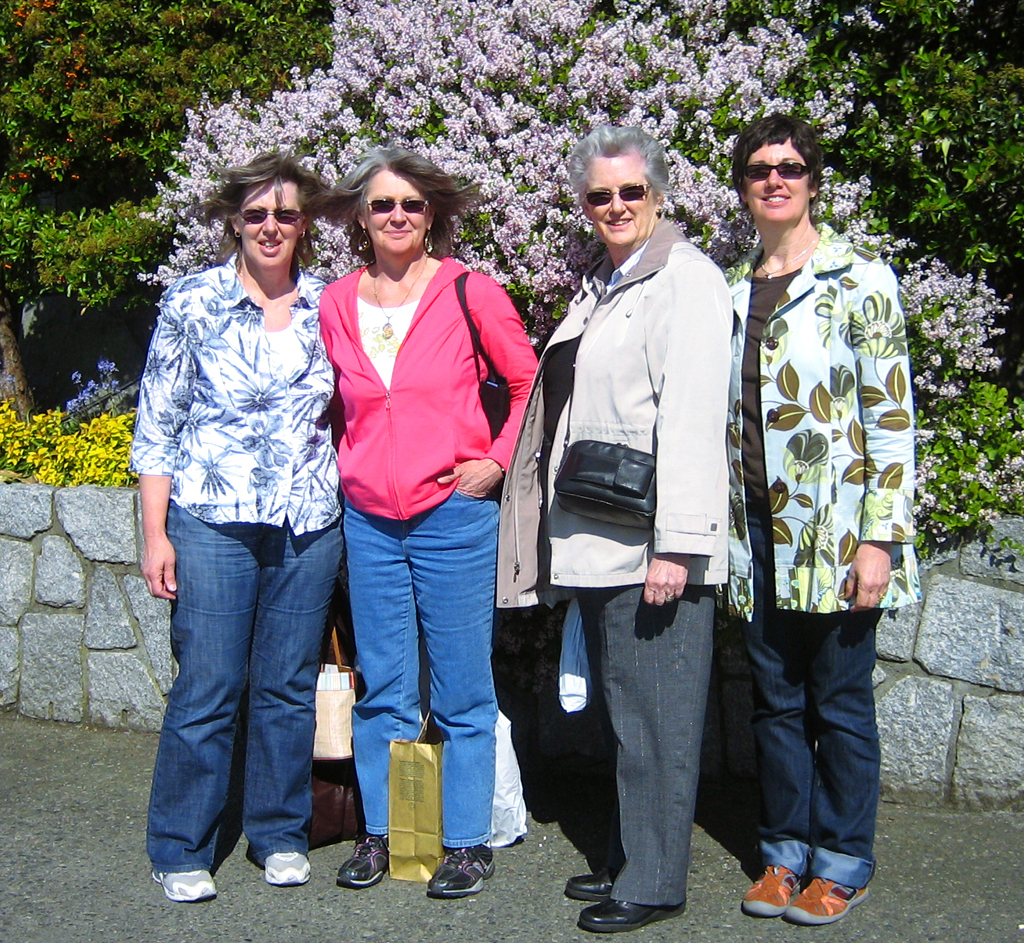
P.S. We finished the afternoon with a group photo that Deb’s mother-in-law Patsy took of the four of us in front of a small flowered lilac, syringa meyeri that we all loved. Just have to find it locally Grows to about 5ft x 5ft, not too large.

PARTING SHOTS OF APRIL

Tags

, , , , ,

EVEN WHEN RAIN IS FALLING AND THE SKY IS MULTIPLE SHADES OF GRAY, the view from inside to outside is full of color. So one last post to showcase April’s floral bounty.

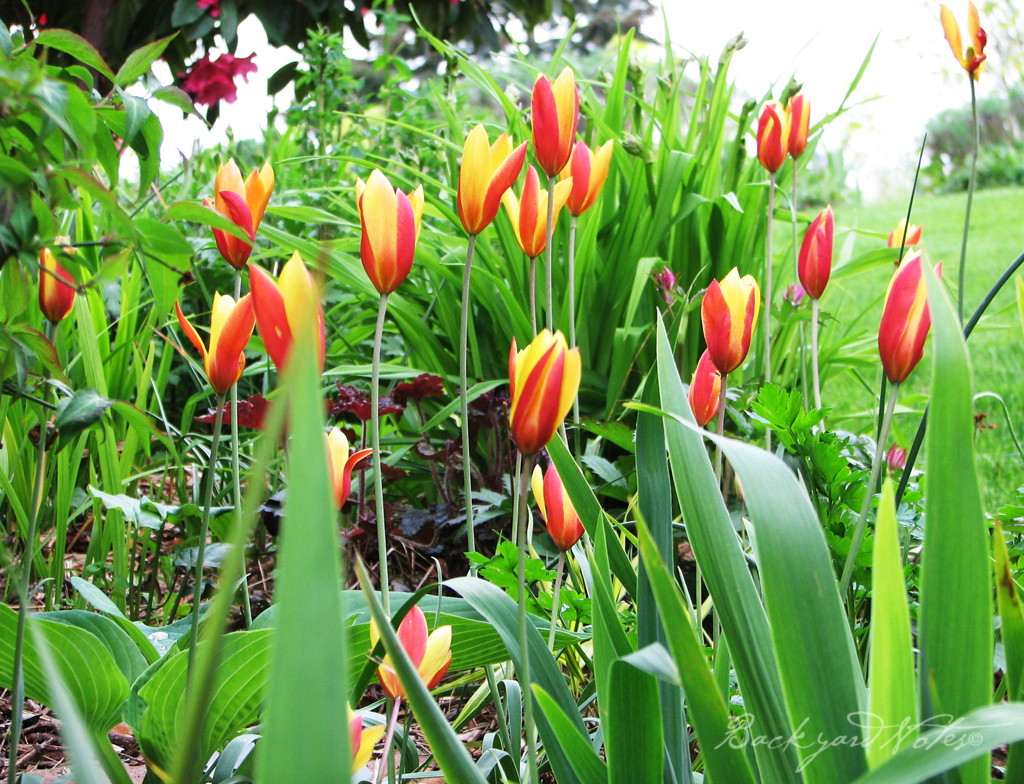
Tulip clusiana Cynthia, bright and sunny sunny.

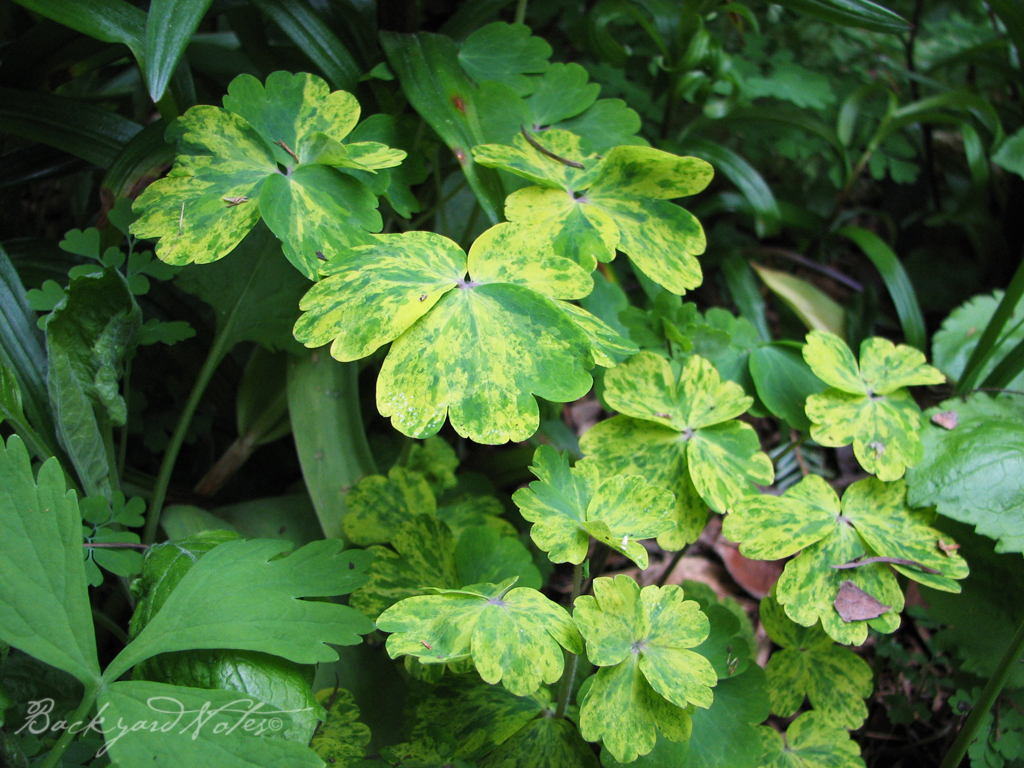
Aquilegia vulgaris ‘Leprechaun Gold’ has beautiful foliage and unremarkable dark blue flowers.

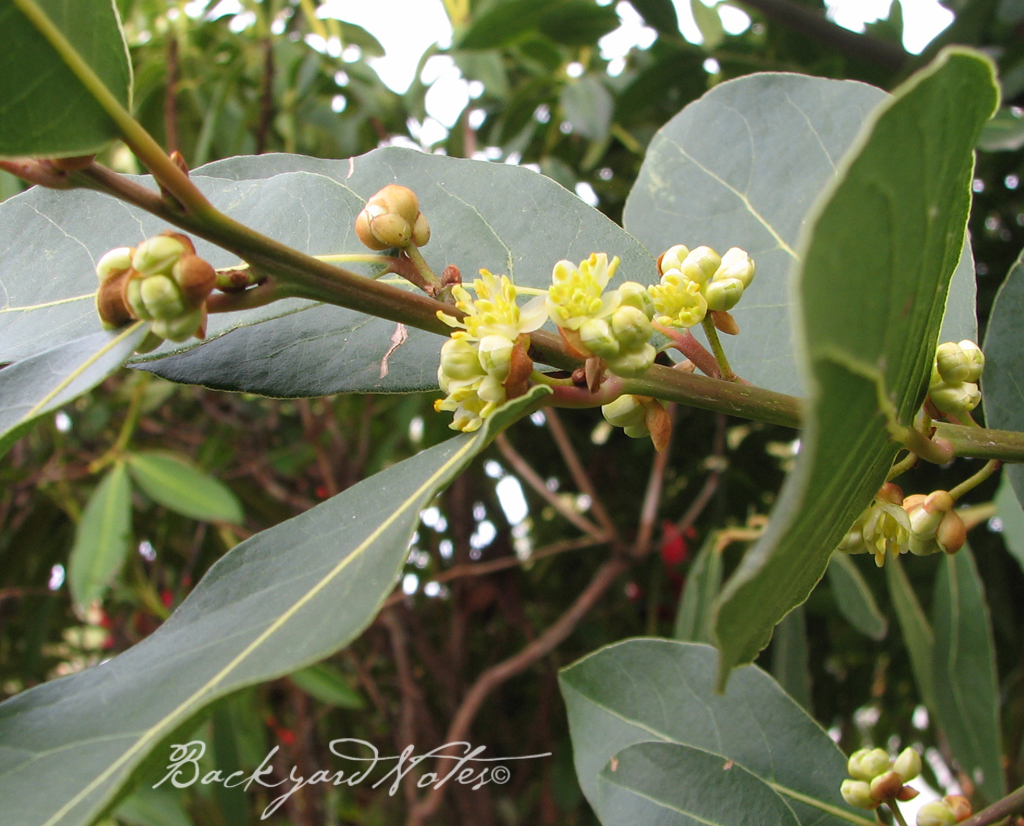
Sweet and tiny flowers of my bay tree, laurus nobilis.

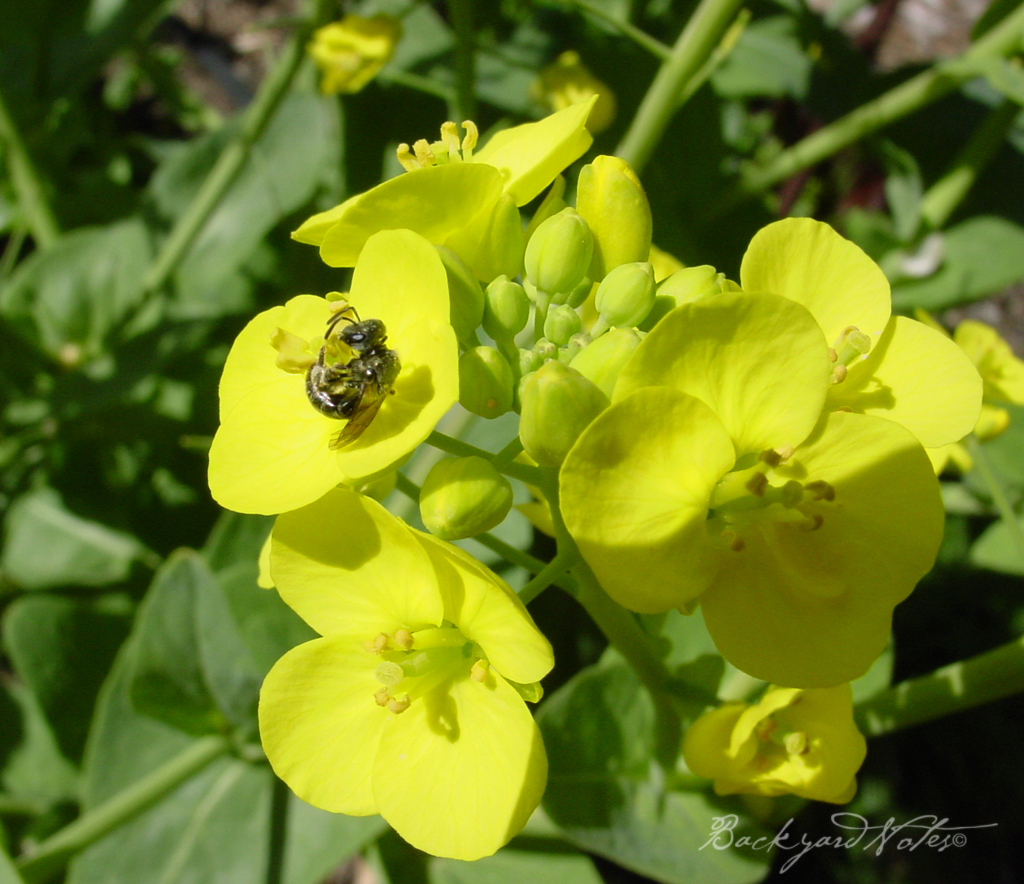
The sweet smelling flowers from the bolted brussels sprouts attract all types of bees and bee-like flies.

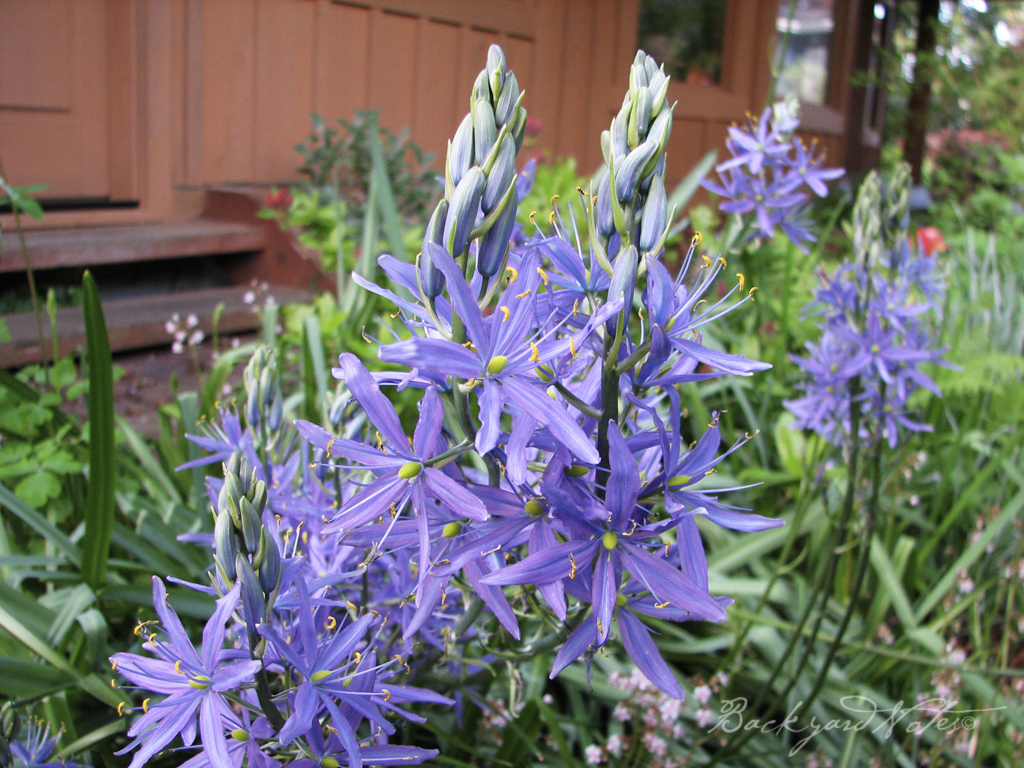
This beautiful, blue camassia leichtlinii is native to Oregon, and quamash is native to most of the west and British Columbia and Alberta. These were planted in 1997. They stand about 3ft tall. The white variety blooms in May.

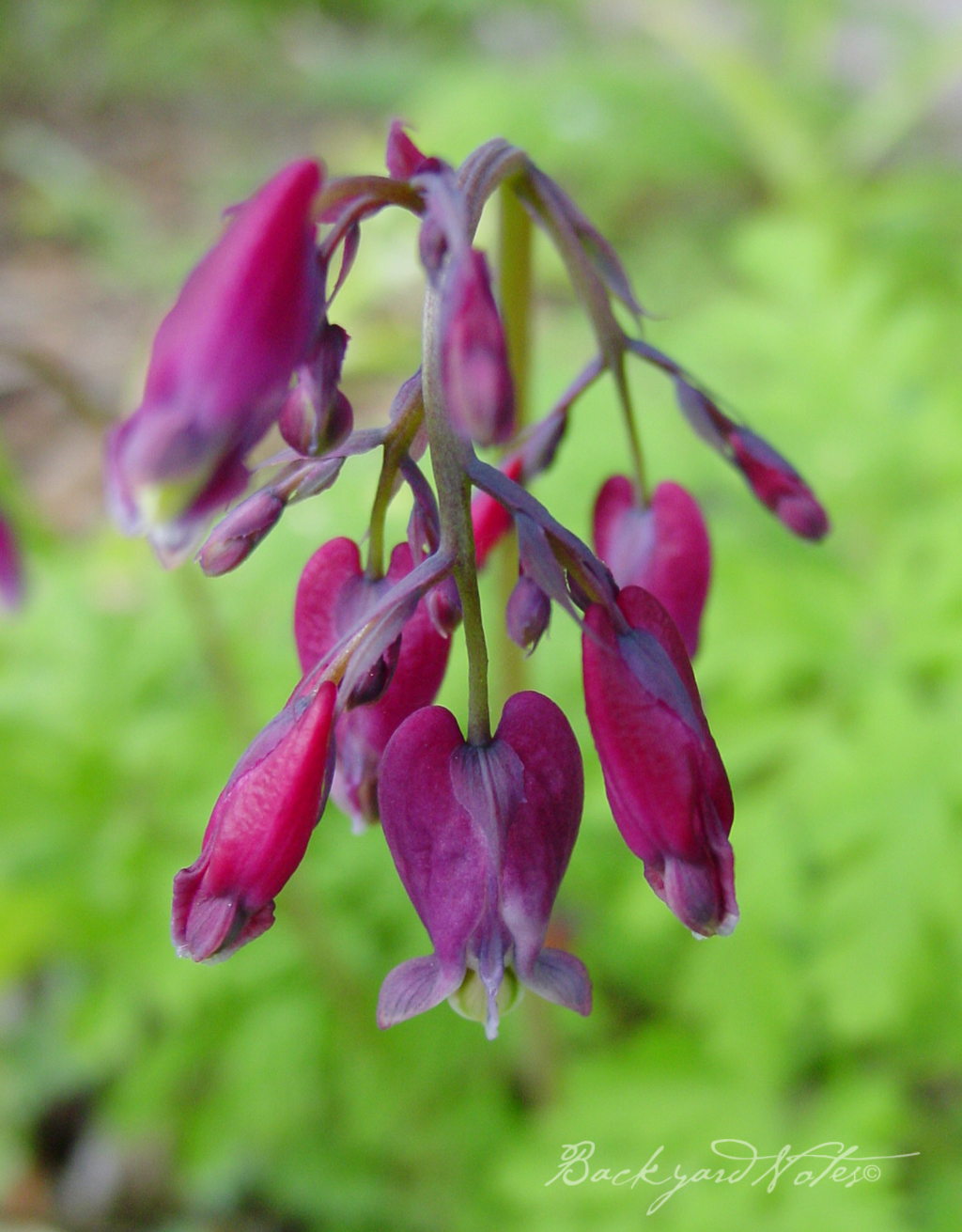
The Pacific Bleeding Heart dicentra formosa is native to Pacific coast states and British Columbia.

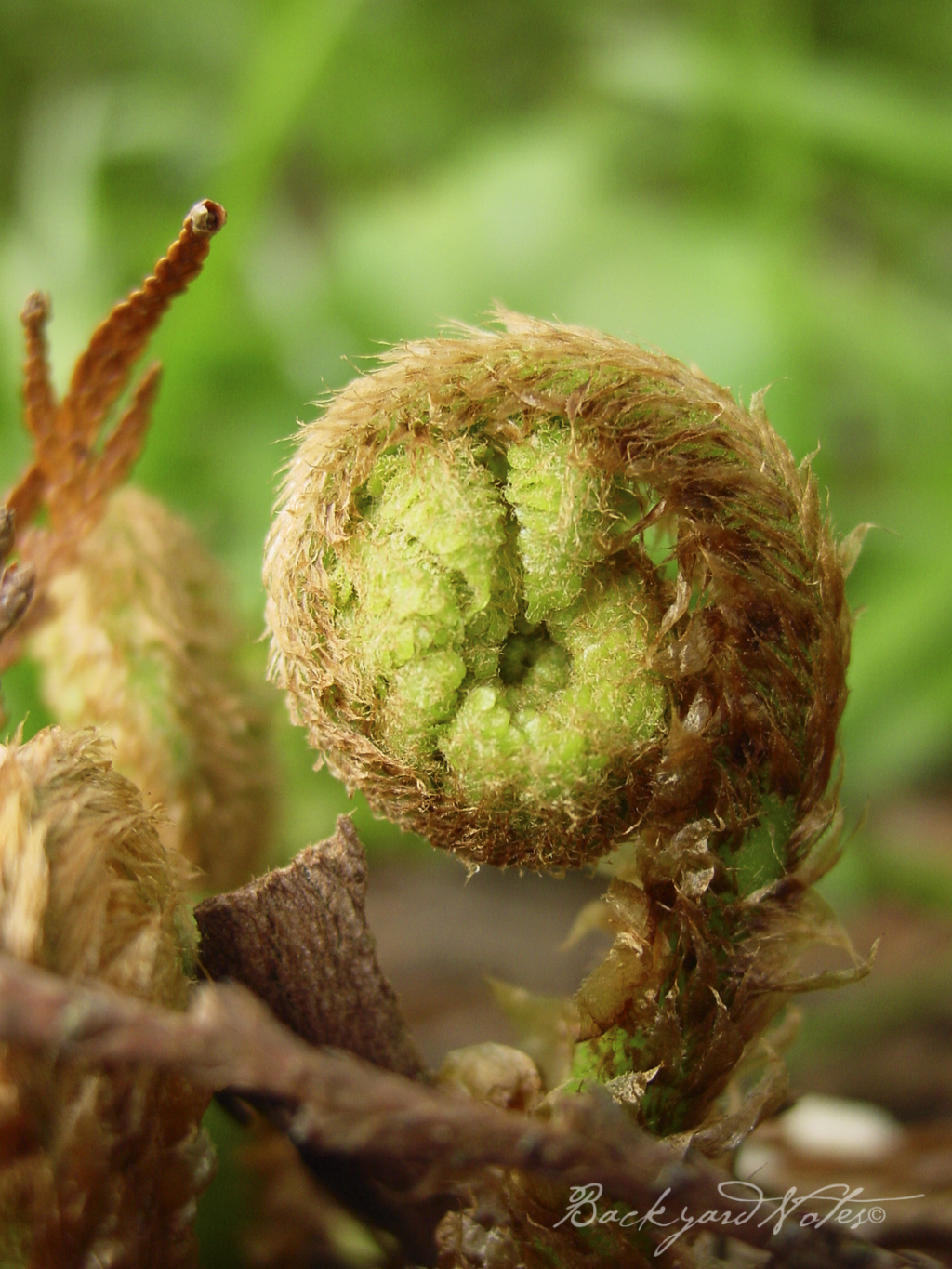
What is more perfect in nature than circular form of an unfurling fern frond?

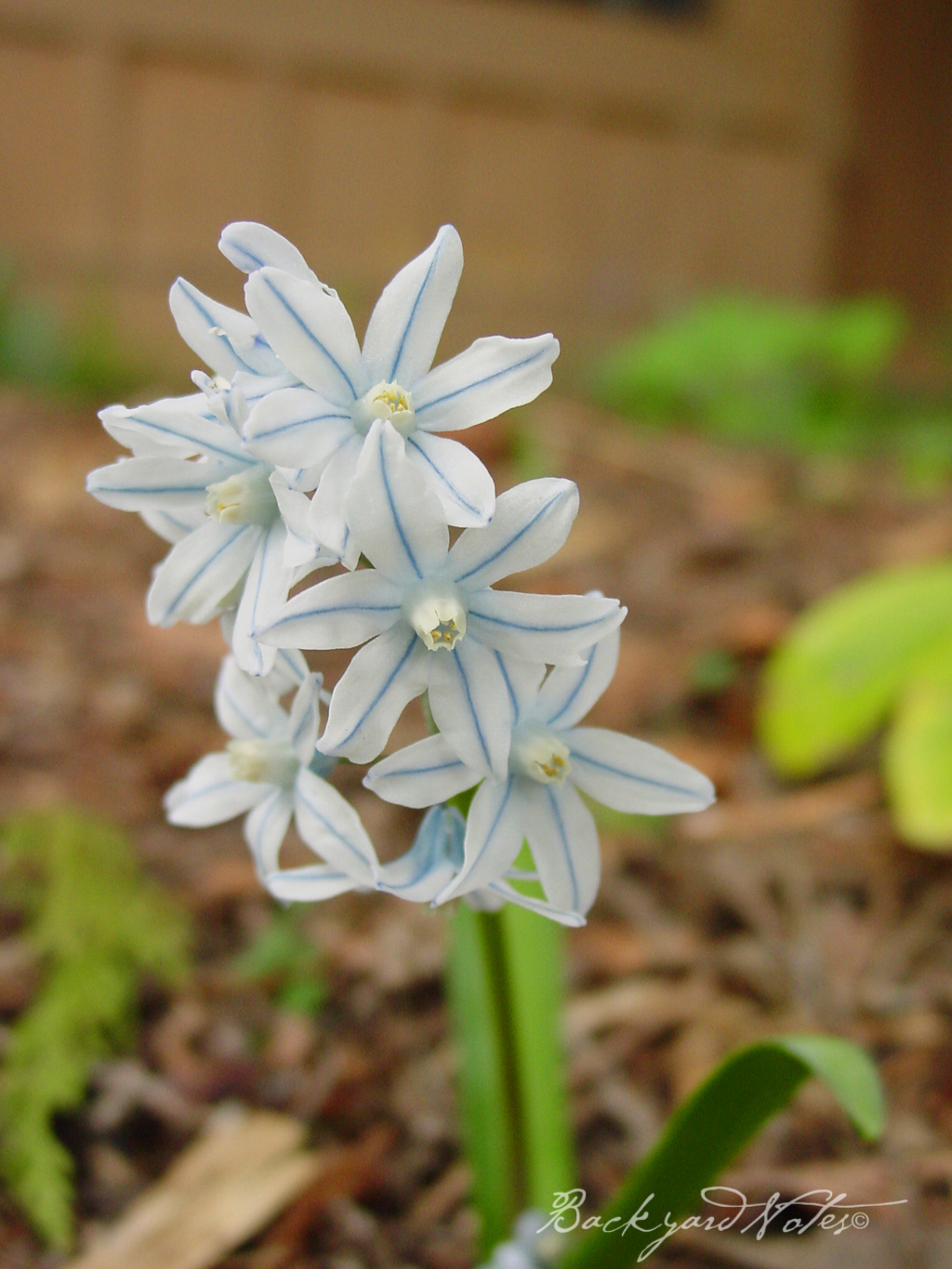
A superbly delicate blush of blue is the highlight of the Striped Squill, pushkinia libanotica.

This is ‘Salmon Jewel’. I think it has some form of mosaic disease that is causing the wild color variations; it quite lovely but it should look like the ones below.

These were planted about ten years ago. I am amazed that they have survived in the mass of roots from the red cedars.

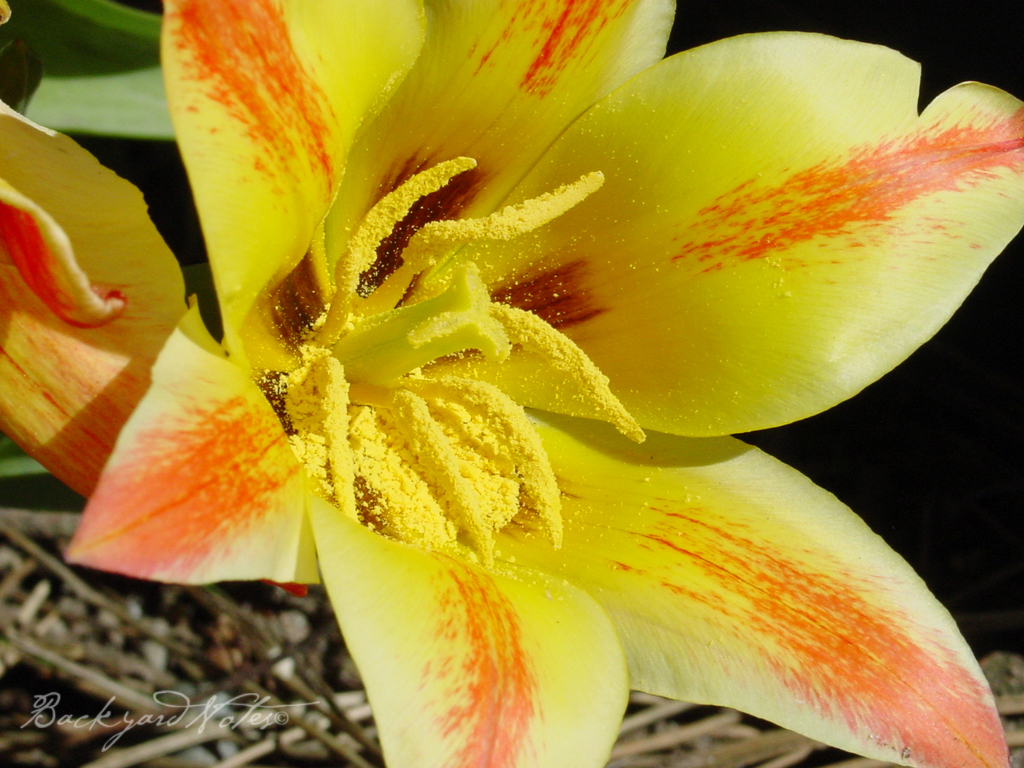
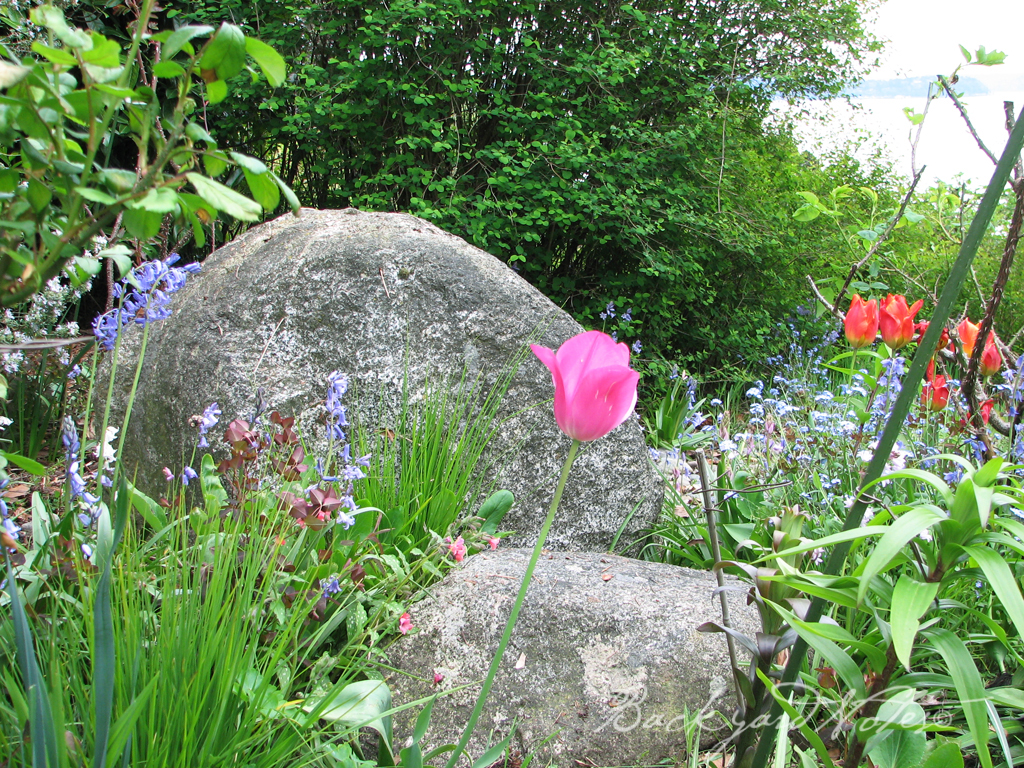
This lovely tulip is Professor Monserri, planted in 2008.

When my friend and former neighbor Sarah lived in West Seattle, she gave forced bulbs as gifts at Christmas. Mostly paper whites and tulips. This one, lonely tulip was in one of the mixes. I planted the bulbs in the ground and now every year when it comes up I am reminded of her and her friendship and that is part of what makes having a garden enjoyable.

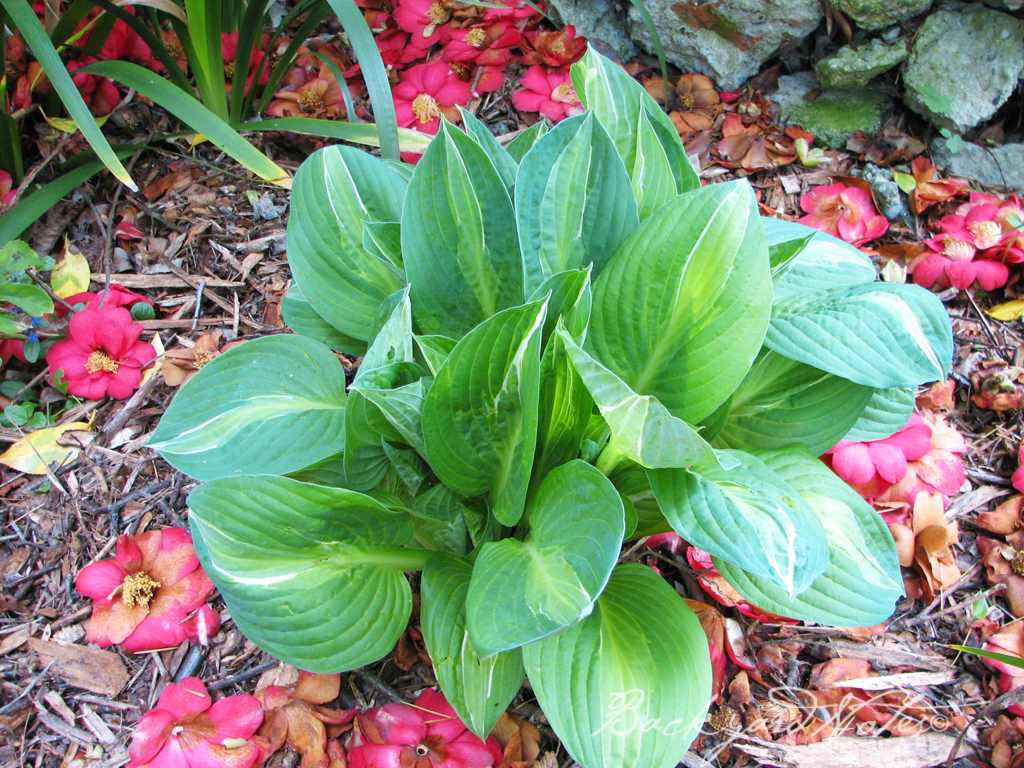
The hosta below came from Deb’s via Grandma T’s. I have no idea what cultivar it is, but certainly  striking and it has large leaves like the sieboldiana types.

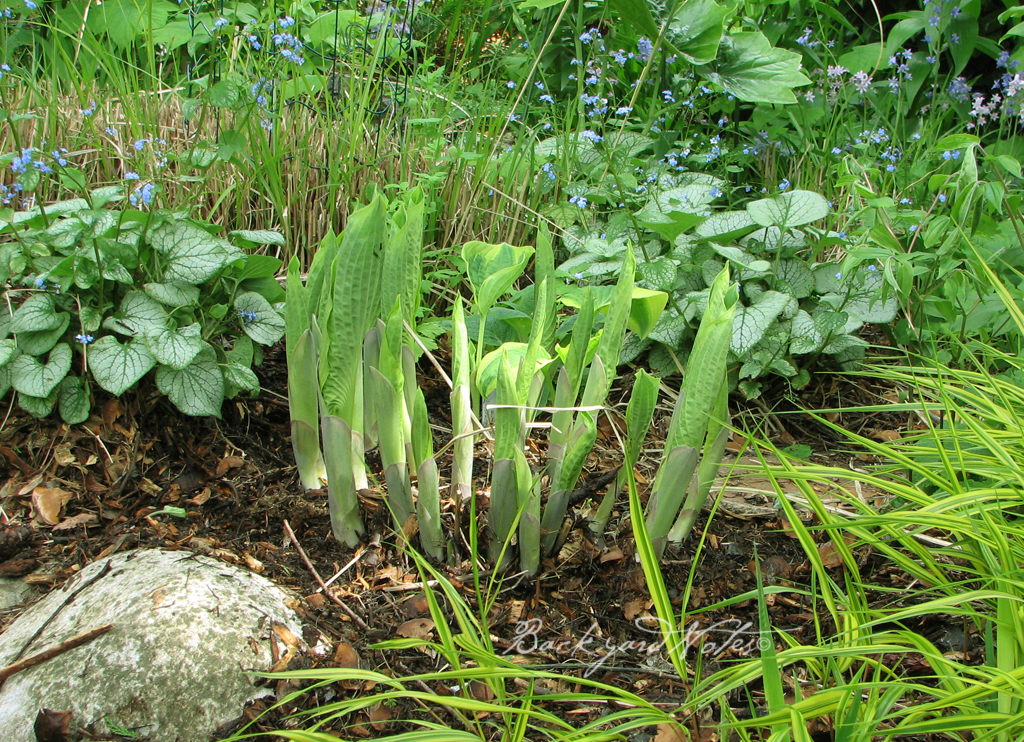
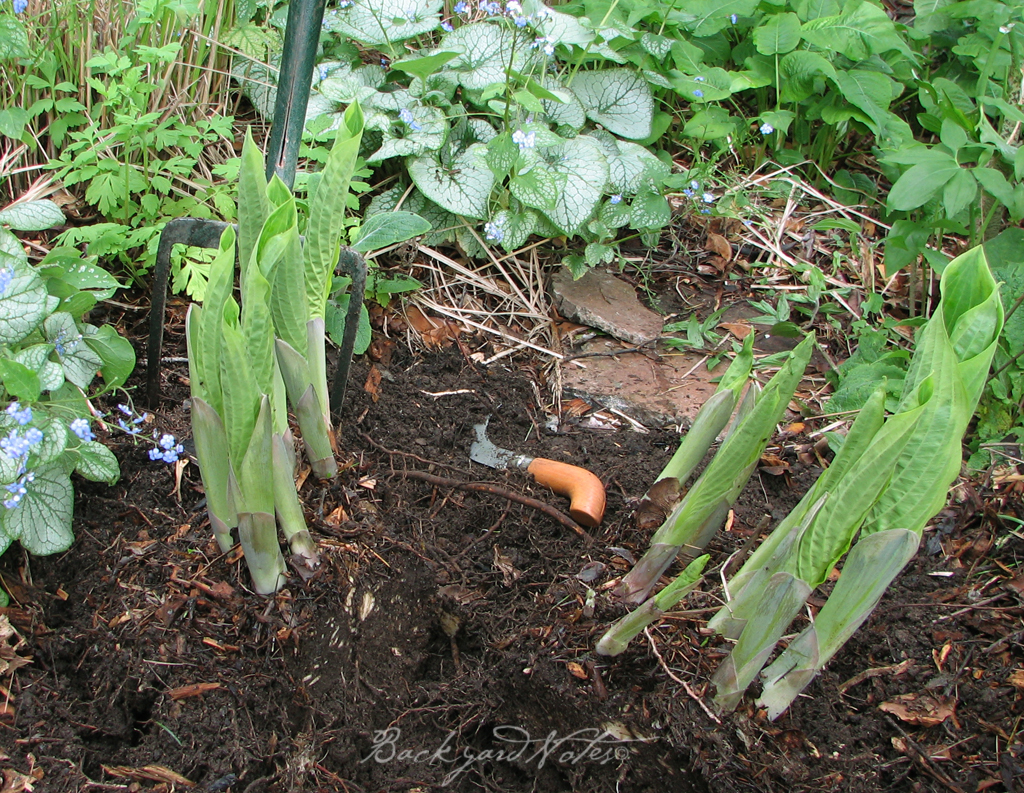
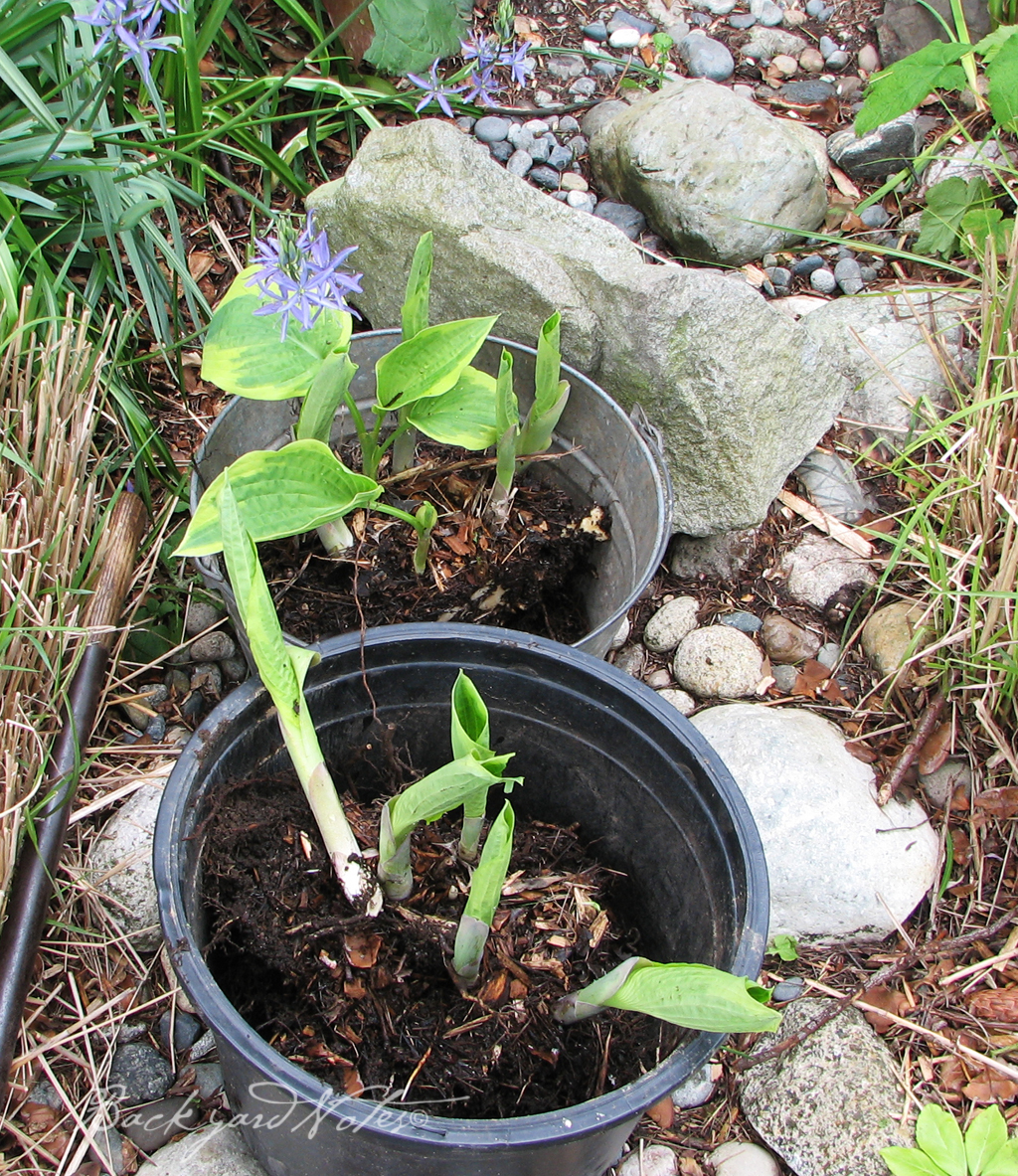
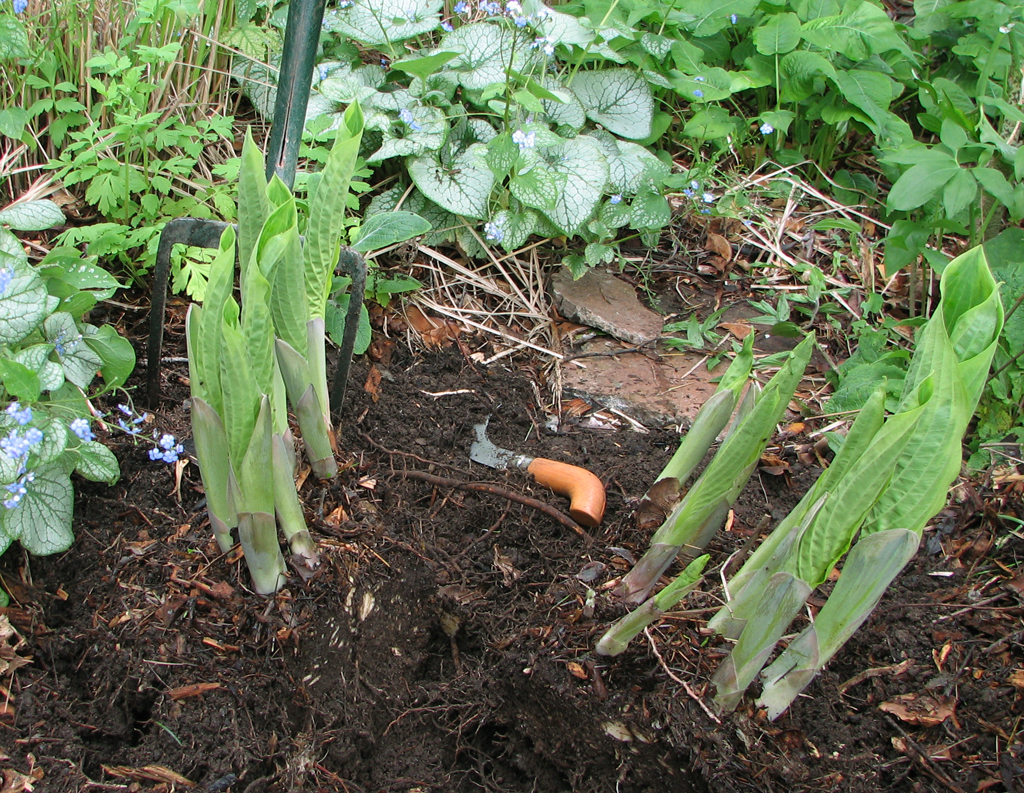
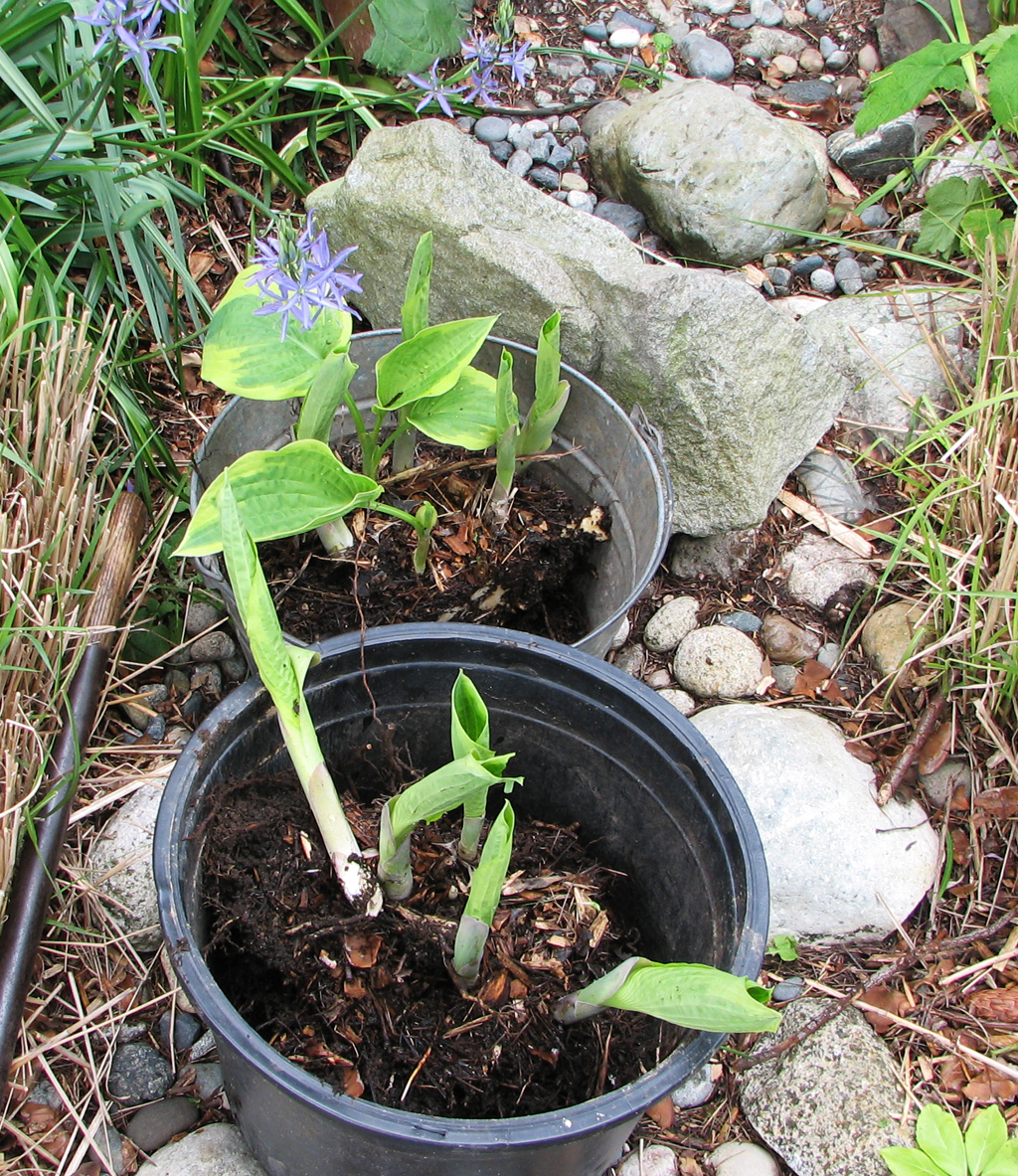
I also promised a piece of  hosta ‘Frances Williams’ to Deb and divided it last week. I planted it in 1997 so it was high time to divide! I was able to get five divisions from it. This is one of my favorites and it is very large.

The original clump.

The first division.

One division stayed in the original spot, one went to my neighbor, one each to my sisters and the fifth one went along the driveway under the lilacs and white snowball viburnum.

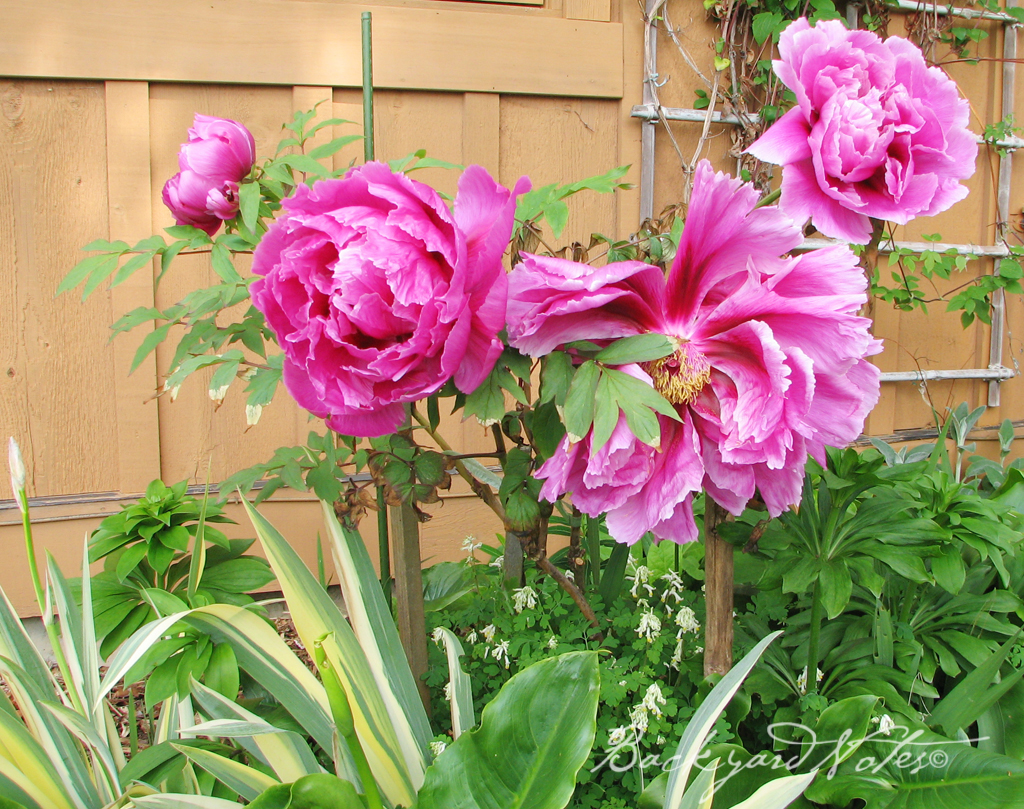
And last, the lavish blooms of Grandma T’s tree peony with four blooms this year–a record here.

SPRING CLEANING AND DREAMING OF TOMATOES

Tags

, , , , ,

EVERY GARDEN NEEDS SOME SPRING CLEANING and there are no exceptions here. The biggest job looming over me has been the vegetable garden. Pulling out the bolted and blooming brussels sprouts, cabbages and carrots that were part of the fall and winter garden was long overdue. Beets and swiss chard are near to bolting and weeds have sprouted a plenty since the last weeding before our trip in March. The endive and escarole are beautiful and full now and should nearly tide us over until new lettuce is ready. The garlic looks great and the fava bean plants are beautiful and plentiful–we can hardly wait until late May when the first pods will be ready to pick. Vegetable gardening is in the blood, I guess. Grandma T always had a very large one and Grandma Aggie always had something growing in her small side garden, including horseradish, which she dearly loved. My late (first) mother-in-law, Helen was my tutor and mentor for the first vegetable garden I ever planted–a whopping 40ft x 60ft garden planted with canning in mind.

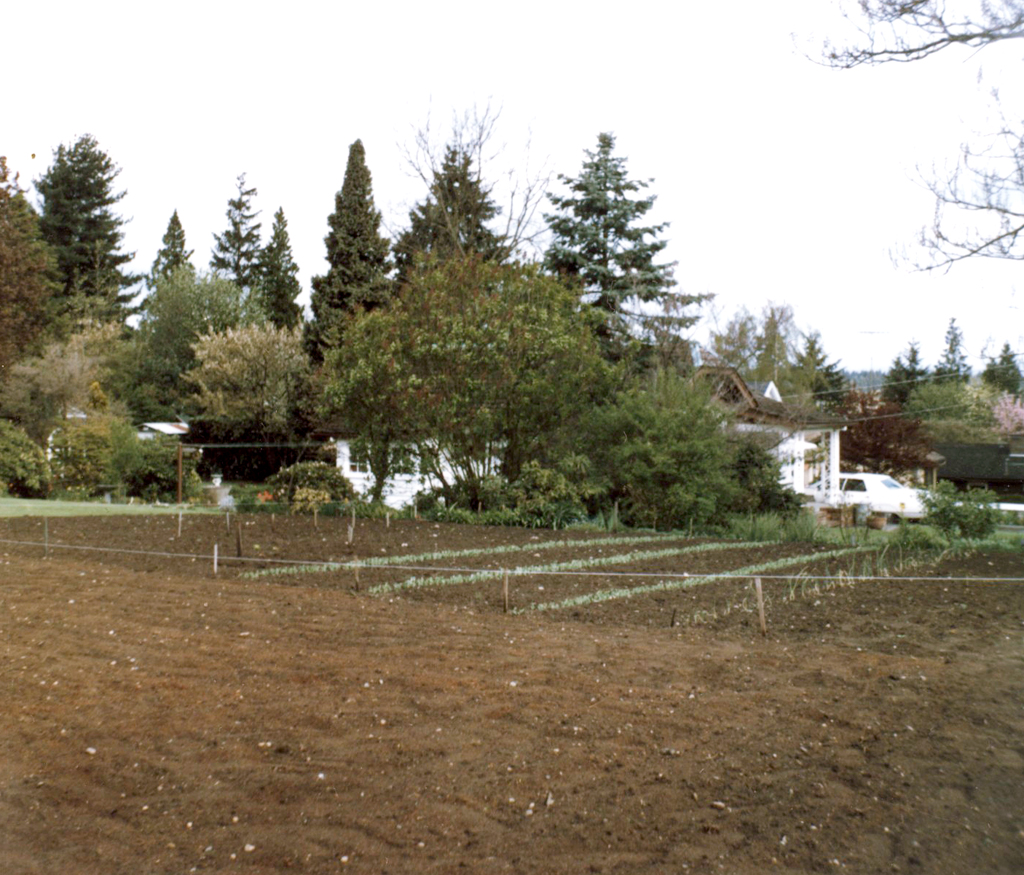
Grandma T’s vegetable garden ready for planting in 1982 was nearly two city lots in size. While I was growing up the upper portion had a Yellow Transparent apple tree, peach tree, raspberries (kept to the end), logan berries, and gooseberries. The peach tree eventually came down, the gooseberries came out because they were ‘buggy’ and finally the logan berries went away. She always planted peas (which we sneaked into and then got yelled at), corn, tomatoes, beats, carrots, onions, etc. My grandfather got a couple of loads of horse manure every year and tilled the garden for her. It is hard to believe that she was still planting a garden of this size at the age of 75! She fed her family from this plot of land for more than fifty years.

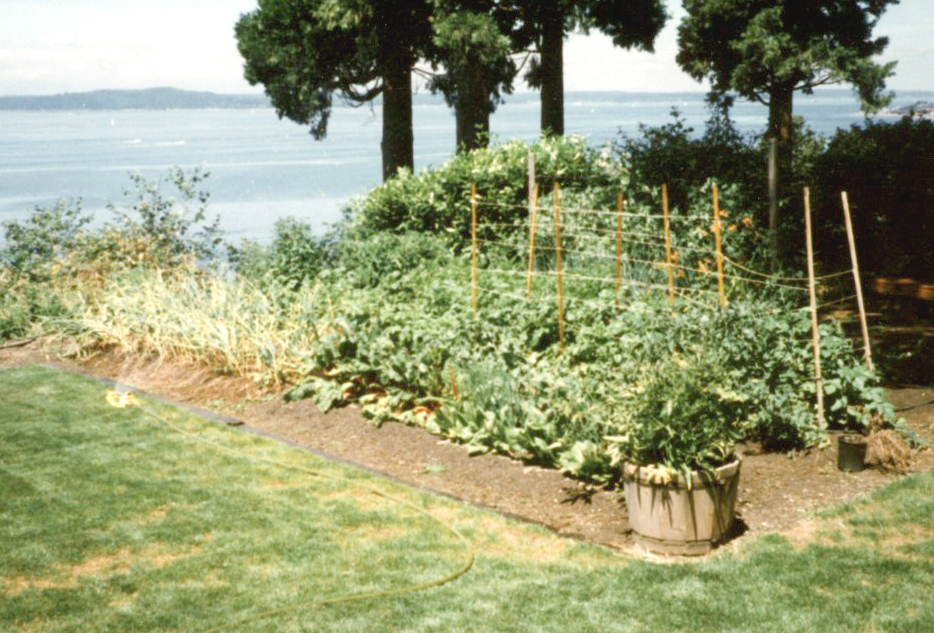
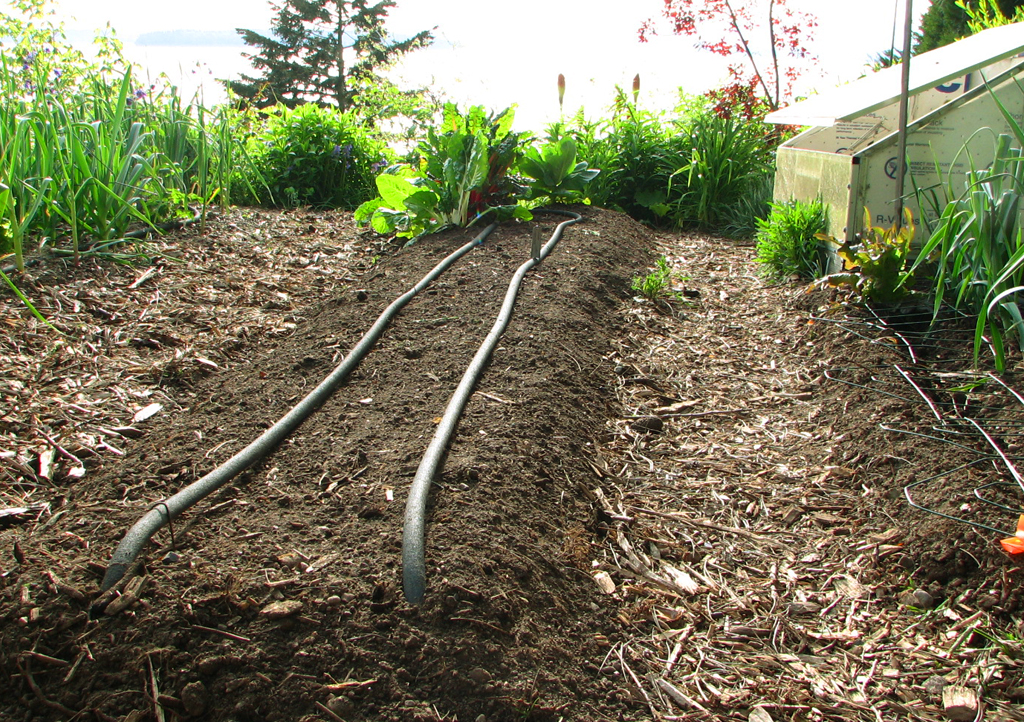
My initial garden here in West Seattle was smallish when first laid out in 1993 and is loosely designed on the principles described in Better Vegetable Gardening: Peter Chan’s Raised Bed System the Chinese Way, first published in 1977 and an excellent book. My vegetable garden has evolved considerably since then. Today’s vegetable garden area is about 25ft x 20ft. There are four 15ft long x 2.5ft wide beds and four 8ft long ones; they are oriented east to west. The one below is ready for planting. I couldn’t bear to pull out the Swiss chard just yet! I add chicken manure, veg fertilizer and compost to each bed before tilling. I no longer turn the soil by hand after a bout of sciatica several years ago. Now the beds are turned with the help of the Mantis, a great little electric tiller just the right size for these beds. All the beds have black rubber soaker/drip hoses and the paths between are covered with wood chips to keep feet clean over the wet winter. The wood chips need replacing about every three years.

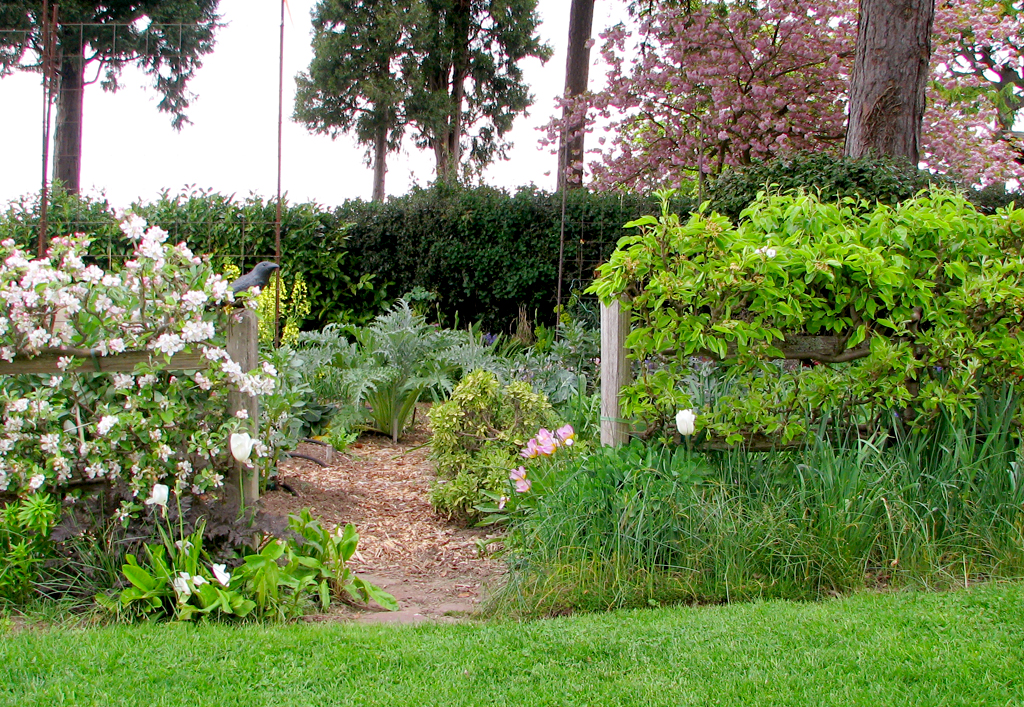
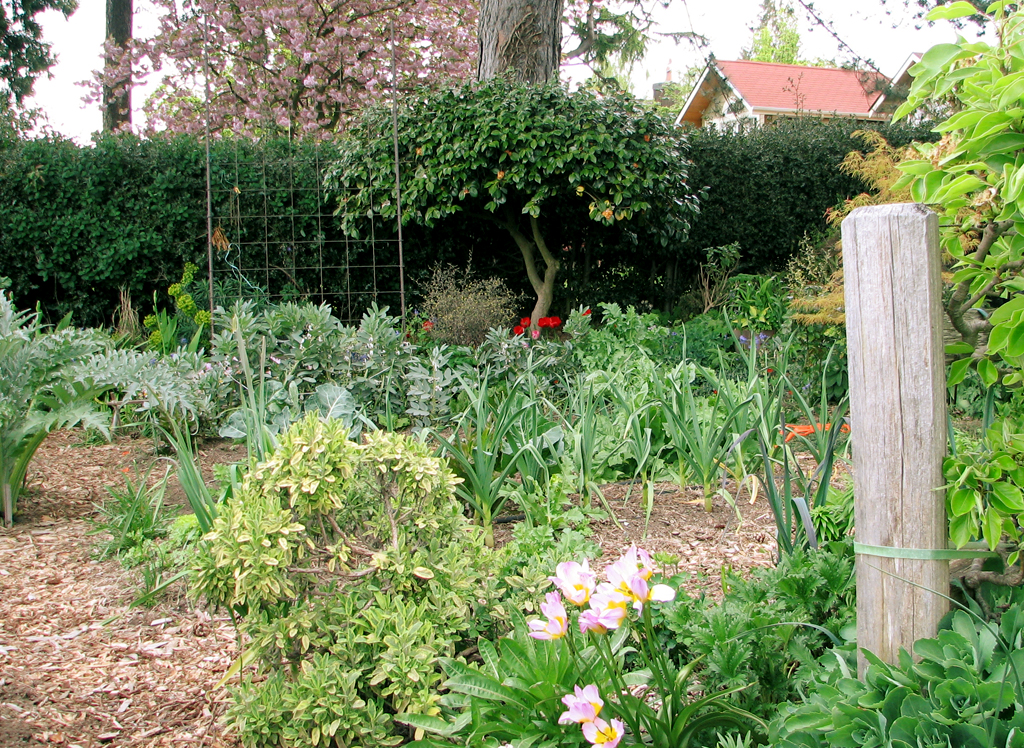
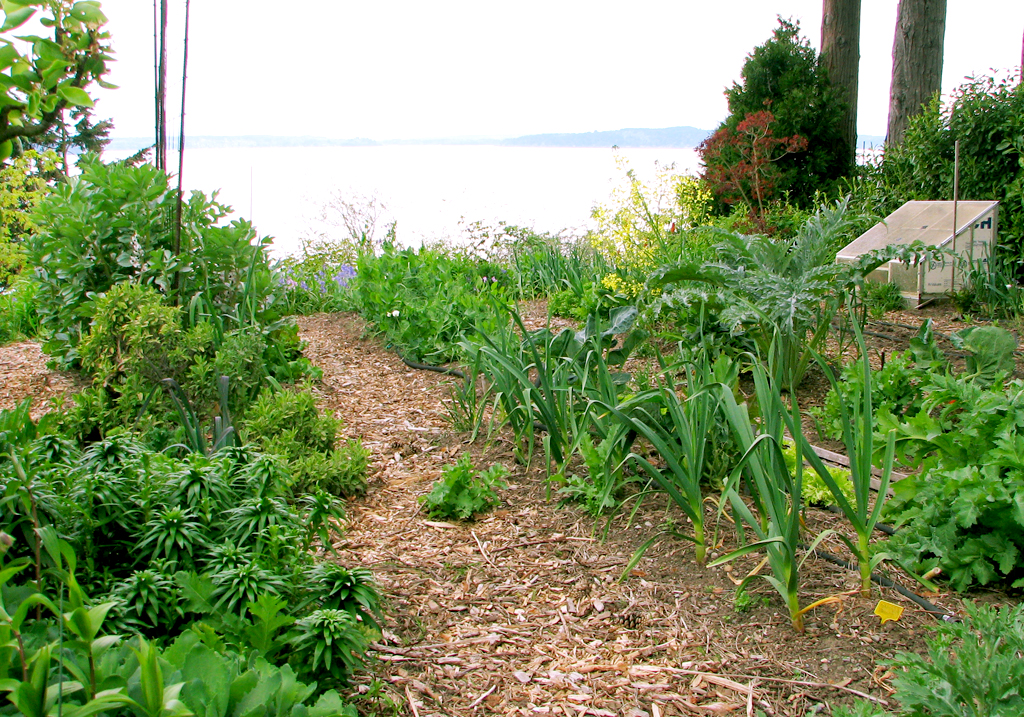
The vegetable garden is on the north edge of the property and bounded on the west by a perennial bed and the house, on the south by espaliered apple and pear trees. To the west is the edge of a slope. As you can see, we having some outstanding overcast weather.

North view

West view

Every year is full of decisions. What worked last year, what’s new to try this year?  I always look forward to starting tomatoes and peppers! When the last tomatoes plants are pulled from ground in October (if we are lucky) we have period of mourning–no tomatoes until next August! By February the longing begins and we dream of sweetly ripened tomatoes, warmed by the sun. Each year I like to try one new one and leave the poor performers behind. This year I started my seeds a tad late, on April 10th. I have started them as early as February (too early) and as late as the third week in April (a little late). By the end of May they have been in the cold frame for a couple weeks, hardened off and ready to go into the ground once overnight temperatures are 5o°, which around here is not usually before June. By that time, the favas are ready to harvest and then plants come out and tomatoes go in. Once the tomatoes are in the ground Tom takes over their care and maintenance.

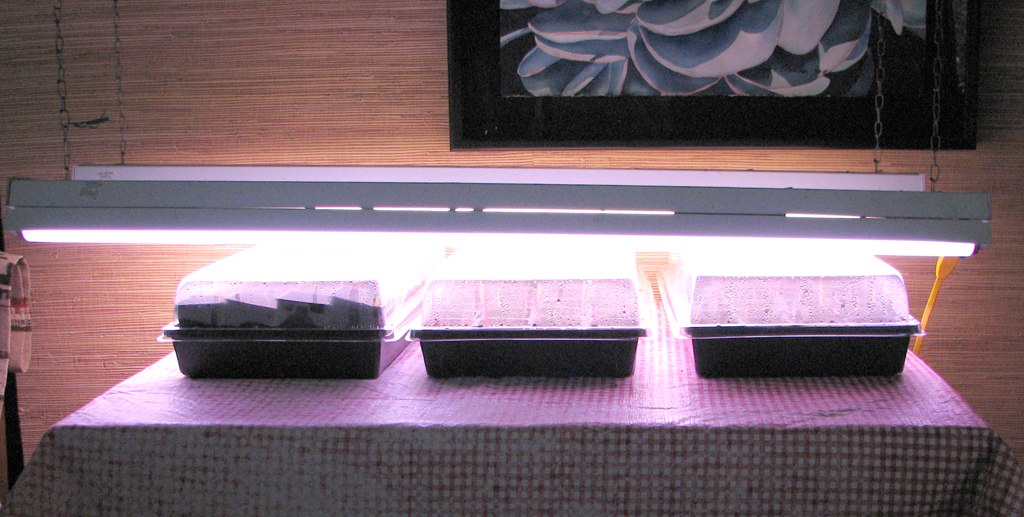
The seed starting setup.

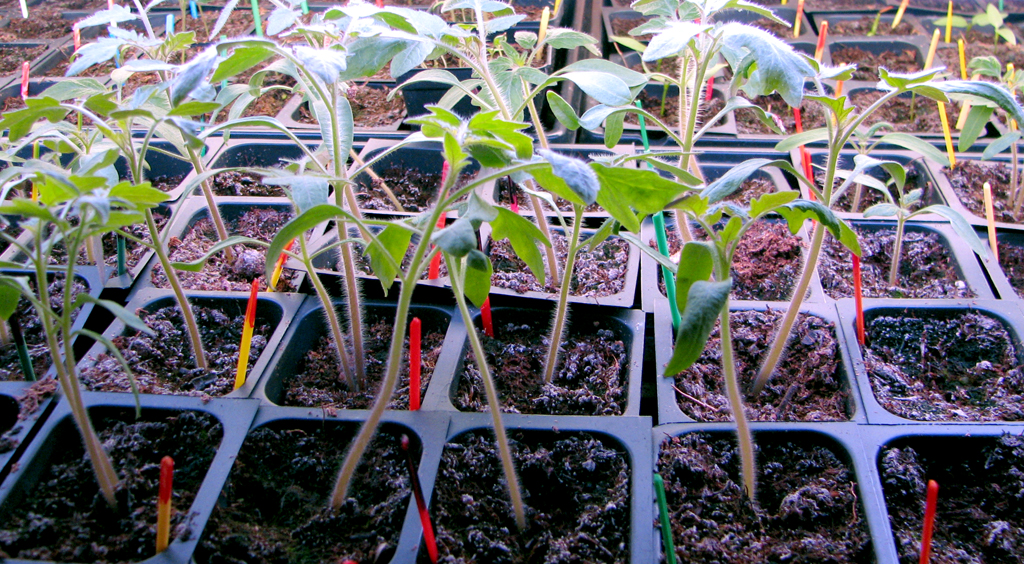
The seedlings after sixteen days.

Tomatoes are quick to germinate, usually within five-seven days; peppers up to two weeks. This year I have started twelve varieties. My favorite producers are an Heirloom German originally from Johnny’s Seeds, Yellow Flame, Aunt Ruby’s Green, and a Roma type from seed that I saved from plants that I purchased in 1995. My newest favorites are Red Pear Piriform (2006), also from Johnny’s and Japanese Black Trifele (2009) from Territorial Seed Company.  Also good are cherry tomatoes Black Cherry and Sungold. We have such a short season and the first tomatoes are usually ripe mid-August if we have favorable weather.

Peppers do very well and continue to ripen well into October. Last year’s surprise was a little yellow pepper (chosen by one of my daughters), Yum Yum (Territorial), a prolific producer of sweet, sweet fruits. So many that they were turned into pickled peppers. Another wonderfully sweet, blocky, red pepper is Figaro, originally from Shepherd’s Seeds. I have saved seed since 2006 with good success. Last year the Ancho chile peppers were huge and a bumper crop to boot. I canned them using a recipe from Eugenia Bone‘s wonderful book, Well Preserved for Marinated Peppers. The flavor of these peppers six months later is a knockout!

No time for dreaming, it’s back into the vegetable garden for now.

GARDENS WITH OTHER IDEAS AND PURPOSE

Tags

, ,

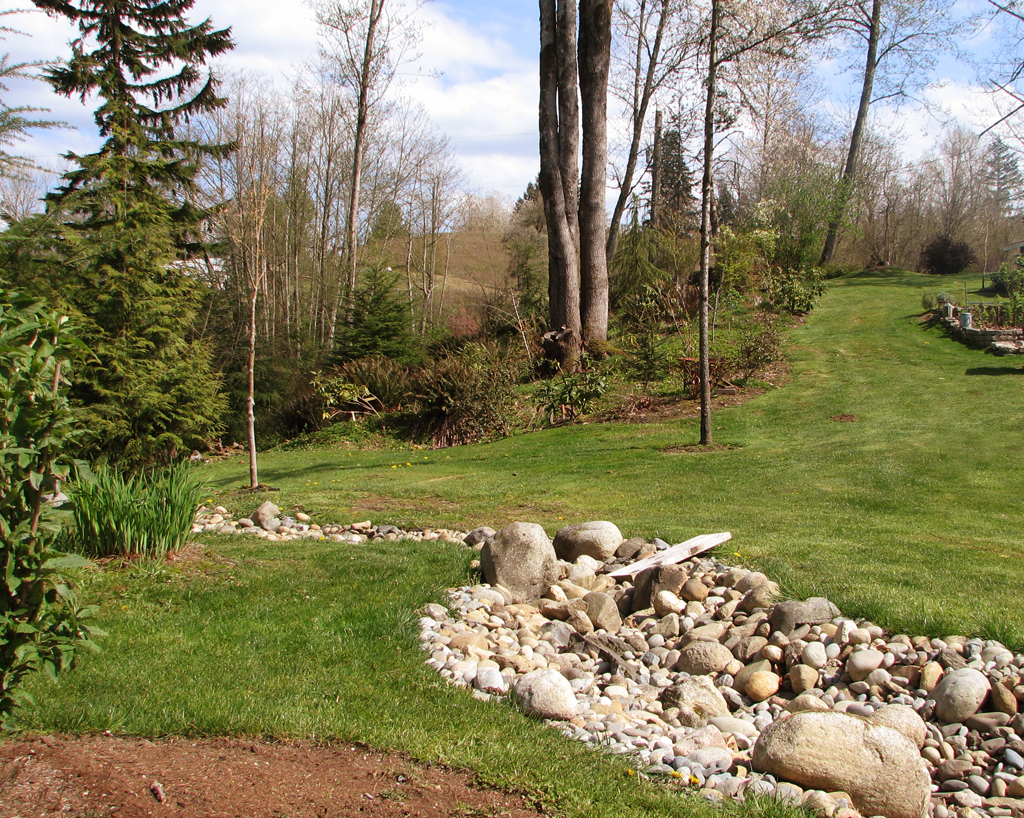
WHEN MOM AND I WENT TO VISIT DEB FOR HOSTA DIVIDING we took a tour of her two acre garden in progress. When Deb and her family moved to their house in Snohomish, the areas around the house were a wild tangle of salmon berries, red alders, maples, cottonwoods, willow, and blackberries. Slowly, over the past eleven years she and Vance have removed the blackberry vines, most of the old and brittle cottonwoods, and thinned out the red alders and willow to reveal a small wetland with a tiny stream. Vance is slowly adding conifers to fill in where alders have been. Most of the property is informal and natural looking. This recently completed dry stream bed channels water from a low spot near the driveway down to the wetland area below.

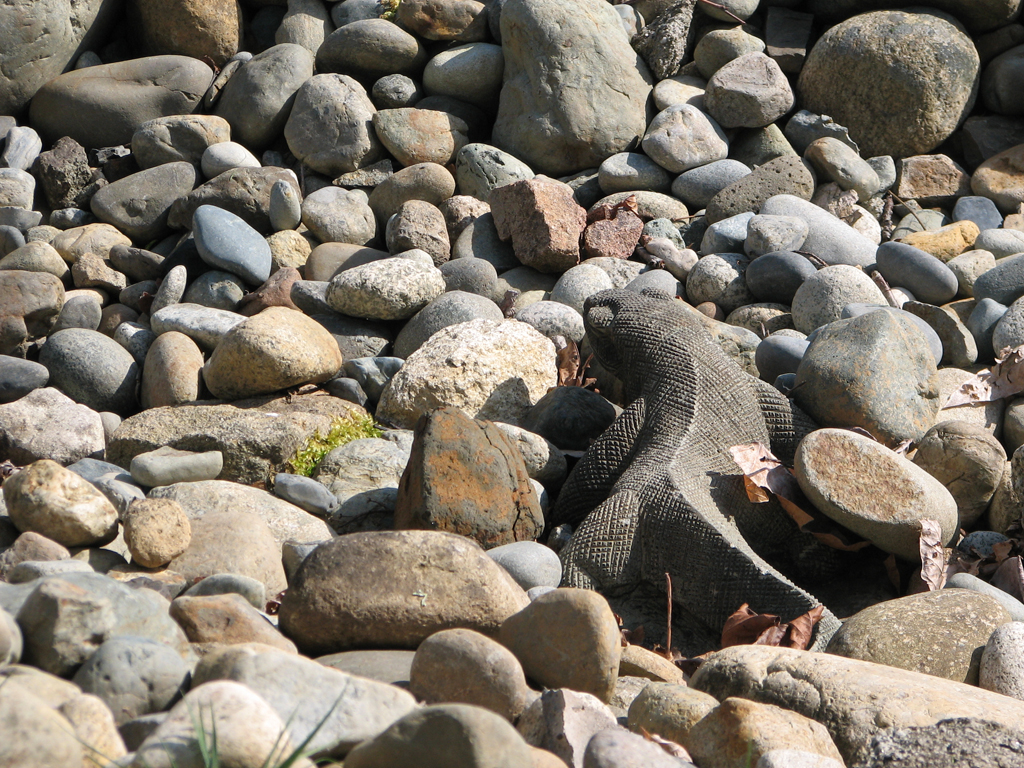
One of Deb’s art in the garden surprises.

There is an easy rhythm as we move through the lower wetland area and on around to higher ground where a long path meanders through plantings of azalea, rhododendron, bleeding hearts, and other native type plants on our way back toward the house. They have created a park-like calm, tall trees overhead, dappled sunlight sprinkled over the paths.

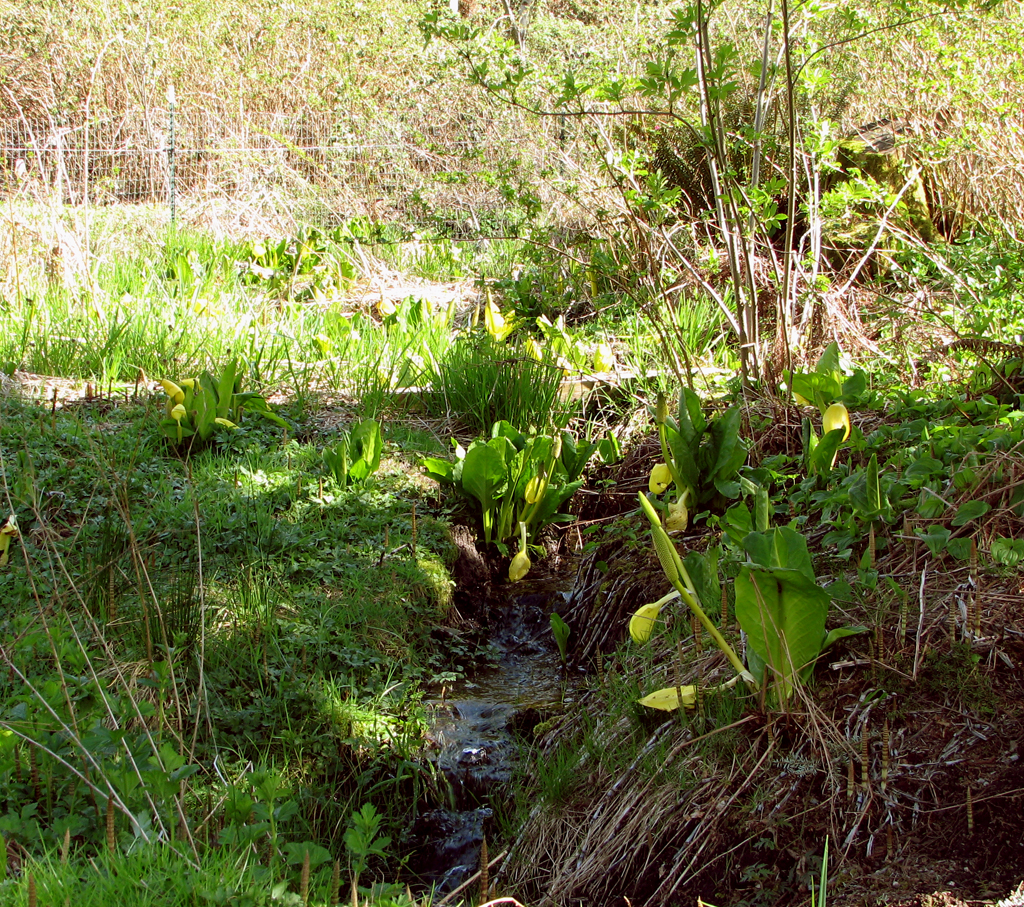
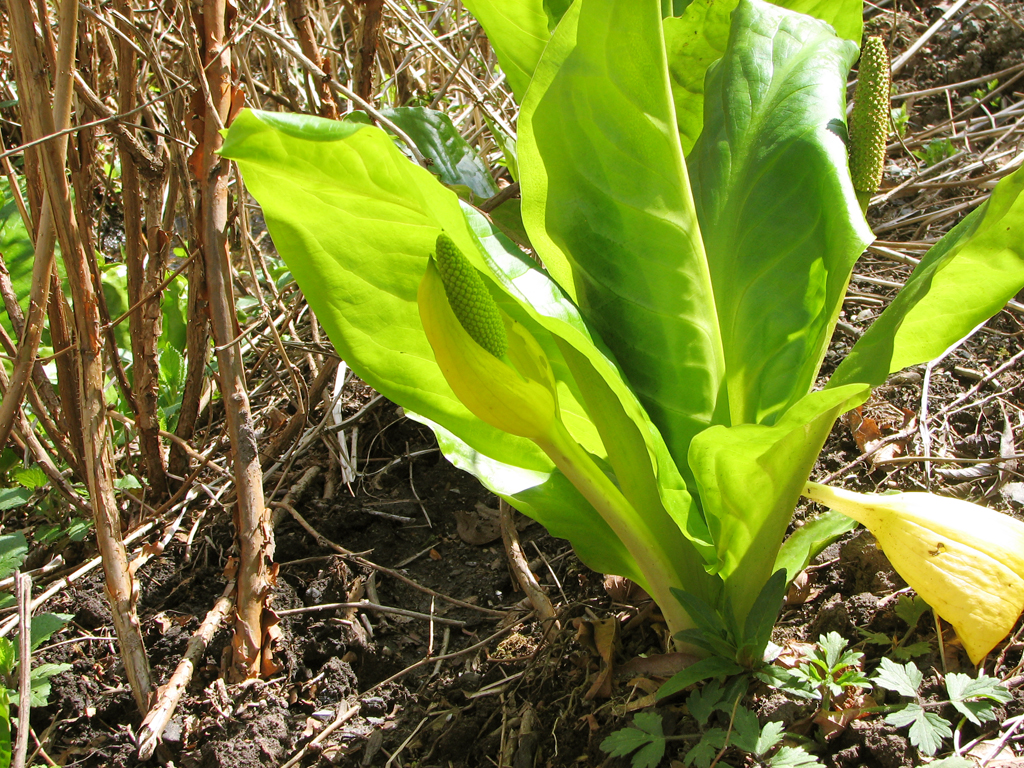
The western skunk cabbage, Lysichiton americanus, was in its full glory. I love the sheer size and boldness of this plant. It makes me happy when and wherever I see it in spring. There is something very wild and slightly grotesque about it, the eye-popping green and yellow as the sun strikes the leaves and sphathe. It is part of the arum family and altogether different in appearance from its eastern relative. Here, it sits among the naked legs of salmon berry, which along with red currant were also in bloom.

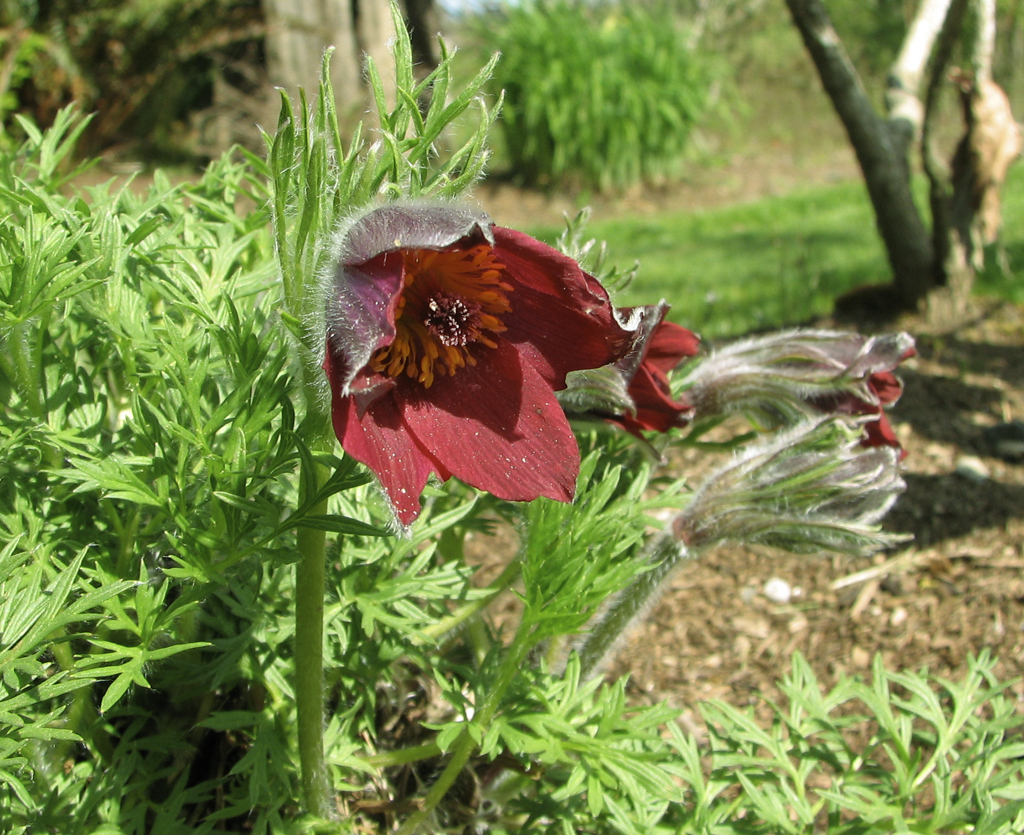
A pulsatila along the path back to the house.

Closer to the house Deb has several large and small ‘islands’ for perennials and shrubs, many from our grandmother’s garden. She is partial to rhododendrons and is creating quite a collection of them. She is lucky to have just about all the right conditions for a great garden: distinct areas of wet, dry, sun, shade, and a good eye. She has done a brilliant job of weaving the natural and the imposed together. What will it look like as a mature garden in another five or ten years?

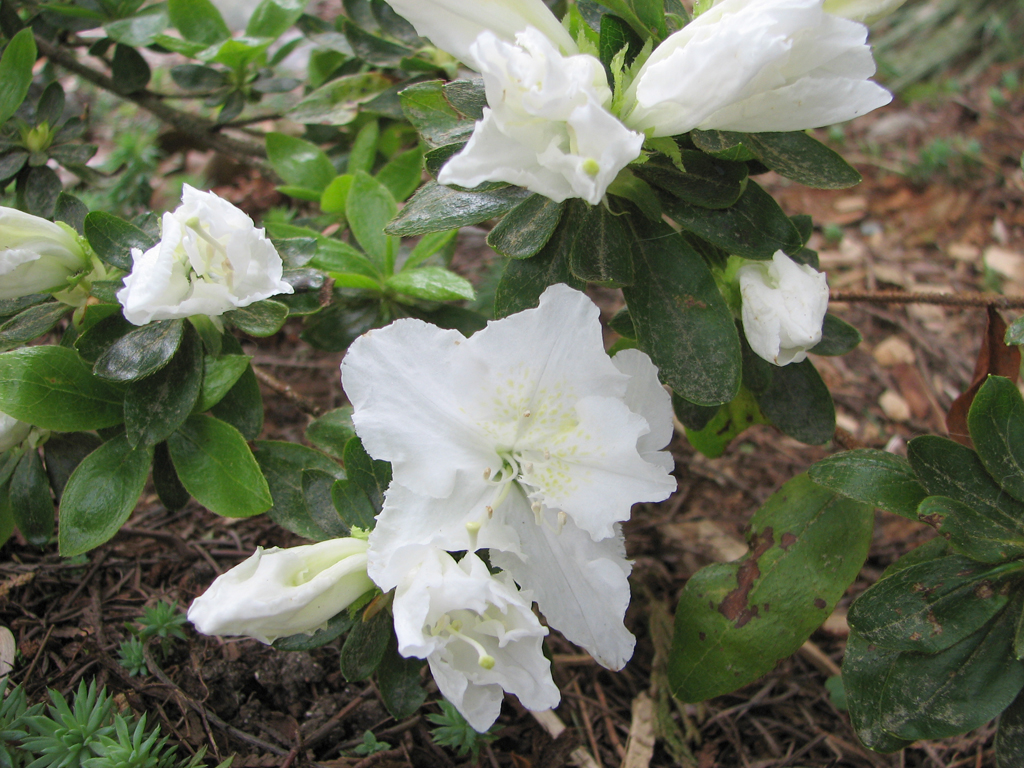
BACK ON THE HOMEFRONT, I continue to record the unfolding of spring’s largesse. This azalea, ‘Marie’s Choice’ was planted thirteen years ago and amazingly has lived up to its size description: 2.5 ft tall x 3 ft wide in ten years. It it pure white with a light fragrance. It has summer shade below a tall pink fucshia magellanica var. molinae (the topic of post to come).

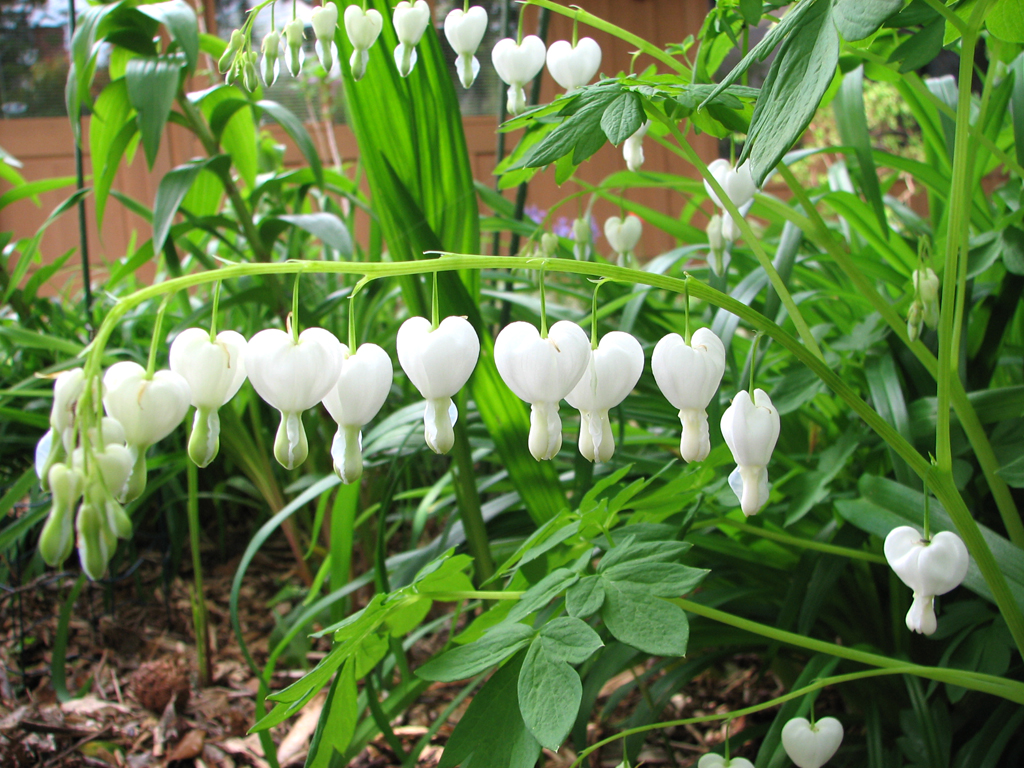
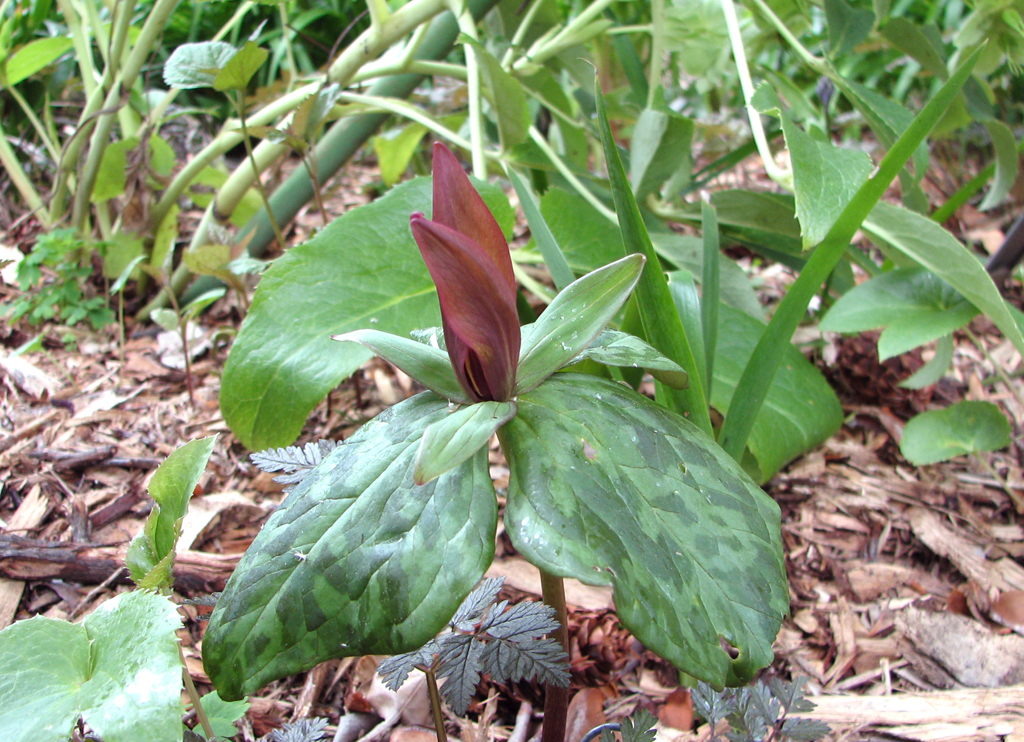
And just beyond the azalea is a lovely white bleeding heart, dicentra spectabilis alba, a graceful necklace of little charm sized flowers along a thin, green stem. Also nearby is trillium sessile. This trillium is not native to the northwest but hails from the midwest and southeastern U.S. It lives up to its reputation of being fussy and now the lonely one of three originally planted. I hope it will eventually form a little colony here, under the mountain ash and rhododendron. Certainly seems like the right location.

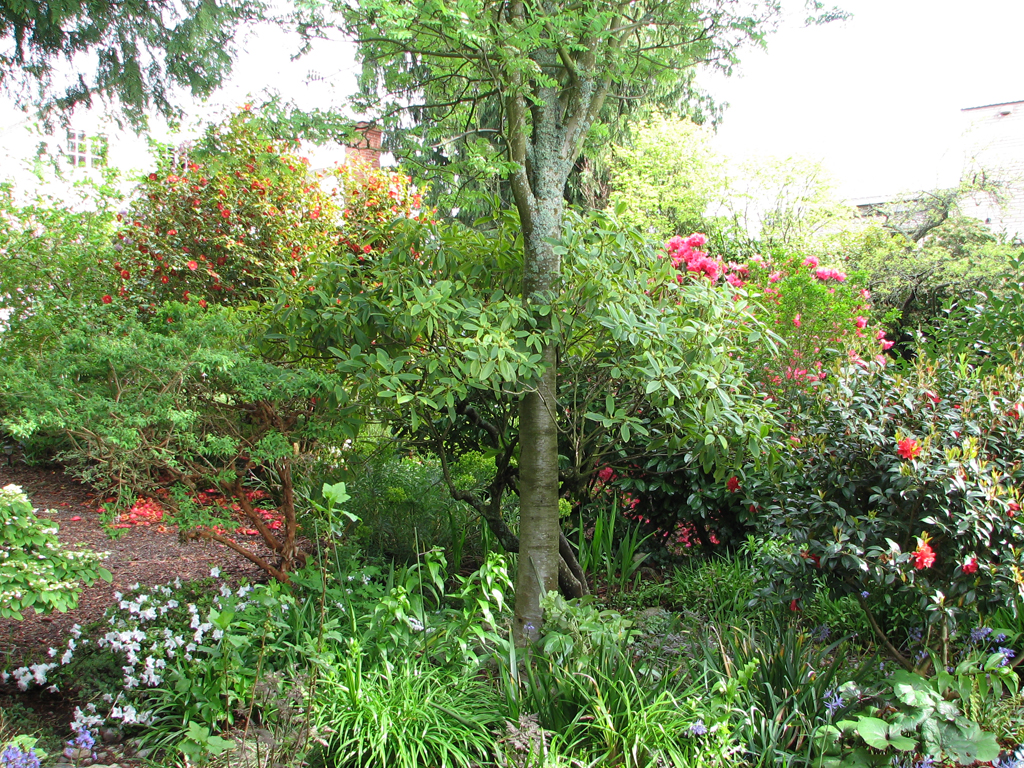
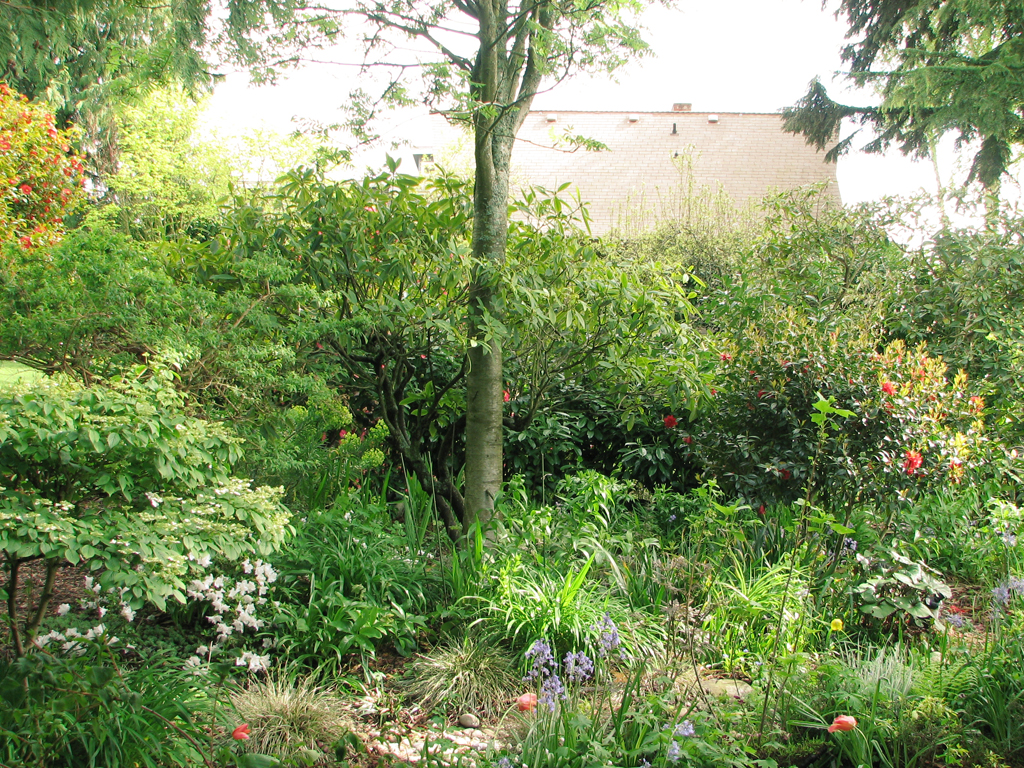
These plants pictured above are part of a small plant community in one little area of about 12ft x 15ft on the southeast corner of the house that I look out to from my office. The sheer number of plants packed in here is astonishing when I stand back and really look at what’s here. As the garden has developed over the past fifteen years there have been fits and starts, successes and failures. But now, this spring it looks really vibrant and full. Can I possibly squeeze in another plant?  The anchor is a mountain ash that was only about twelve feet tall when we moved to the property in 1992. Now it is over thirty feet! Growing around the base of the mountain ash is an old pink rhododendron, about eight  feet tall, then a succession of smaller shrubs and perennials. A dry streambed channels runoff from the sloping driveway and away from the house and breaks up the garden visually.

Within the framework of what was established before I started my tenure here, I have tried my best to plan for year round interest combining size, color, texture, and water and light needs. This garden has morning sun and early afternoon sun most of the year and full shade after 3:00 p.m. in the summer. It also tends toward the dry side in summer and is challenging to compete with the extensive feeder roots of the red cedars.

So, in the confines of a city lot this small area could pass for a complete garden, but is just one of many on the property and in this context shares some similarities with my sister’s two acre park. We are both creating gardens for the same and different reasons. It is at once relaxing and work, a way to unwind and think of nothing else; it brings joy and serenity and is pleasing to look at the finished work; it brings color and texture to life; and, gardens are refuges for birds, animals, insects and people–all important to improving the quality of life. I think we learned this inadvertently from our grandmother by having the opportunity to observe the beauty of her efforts. And on that note, time to close out this rather long post.