MARCH, DAY FOUR

WOW! MARCH IS A LAMB SO FAR. Another mild and beautiful day after a 6:00 a.m. rain shower. Plenty of sunshine punctuated by big, billowing clouds drifting to the east. Today was art class day and assorted errands afterward so today’s photo was shot yesterday afternoon in the waning, but ever lingering rays of sun as we march toward vernal equinox.  Believe me, it is a thrill everyday in the northern latitudes as the days grow longer.  A little shot of Euphorbia characias subsp. wulfenii; another legacy plant! It is a free seeder and if the seedlings are unwanted they are pulled like weeds. I lucked out with this photo as a little fly-like insect was resting or perhaps taking advantage of the possibly delicious nectar the ‘flowers’ afforded.

A SUNNY AFTERNOON ON THE THIRD DAY OF MARCH

Tags

, ,

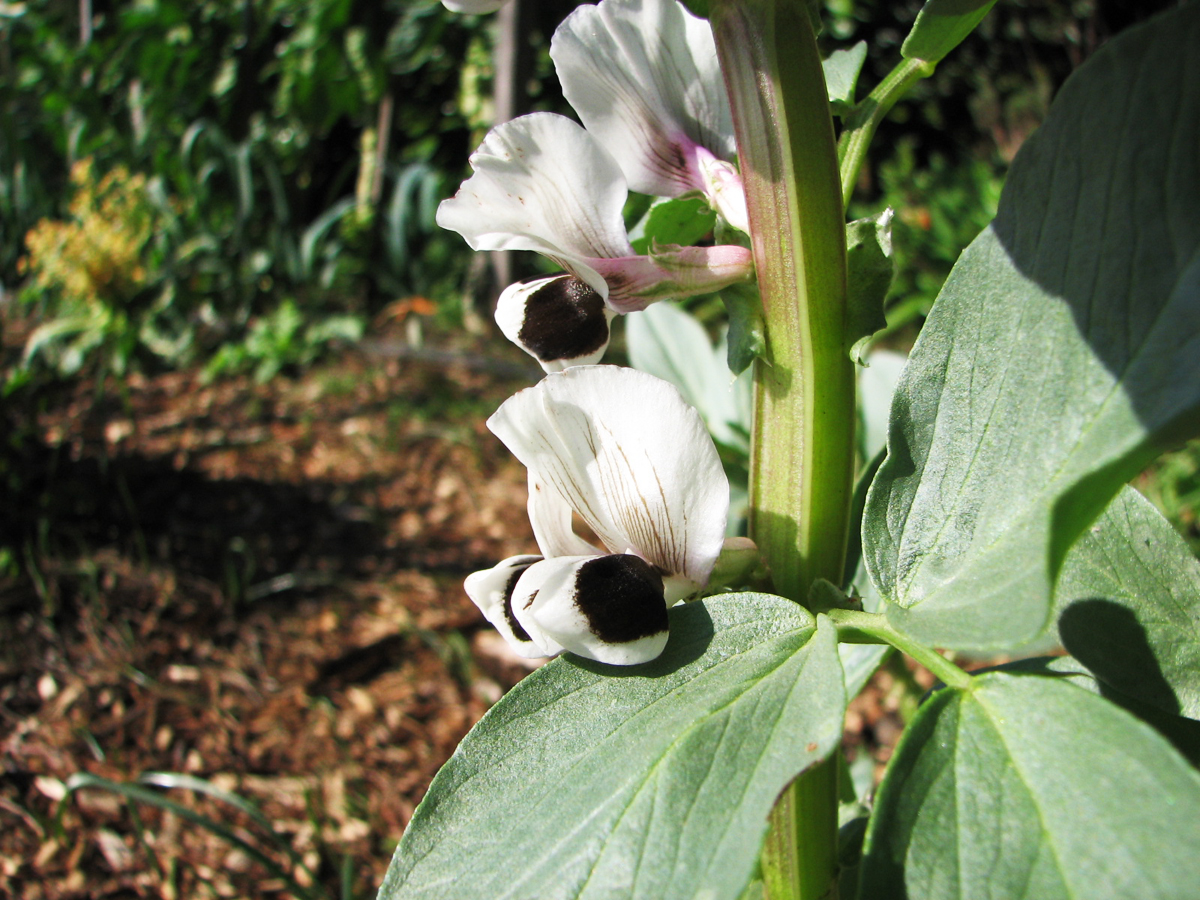
MARCHING INTO DAY THREE with the first blooms of the fava beans! Hooray! I thought that they had taken a pretty hard hit with the week of cold weather in December, but they came through pretty well after all. I went through my archived photos from February and March back to 2002 and did not find any evidence of blooms this early. Hoping for a bumper crop.

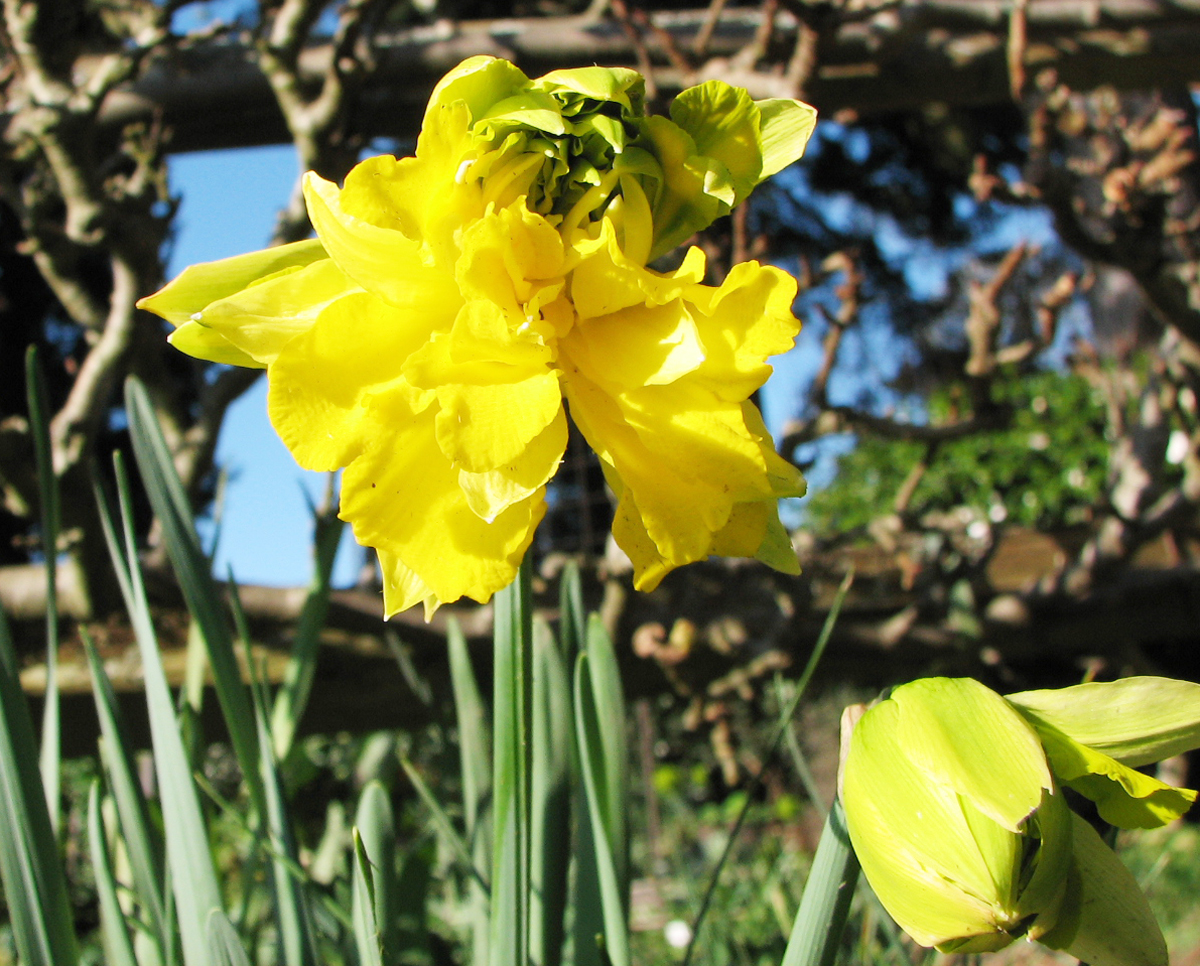
And last highlight of today’s post is this showy, double narcissus scavenged from Grandma T’s garden. I have no idea as to the cultivar. I was able to find about 8 or eight bulbs and they are slow to reproduce and did not bloom the first year after planting. We planted them below an espaliered pear since the summer watering is minimal and the bulbs will not have too much water when dormant.

Now it’s outside to enjoy the afternoon sun!

MARCH, DAY TWO

Tags

,

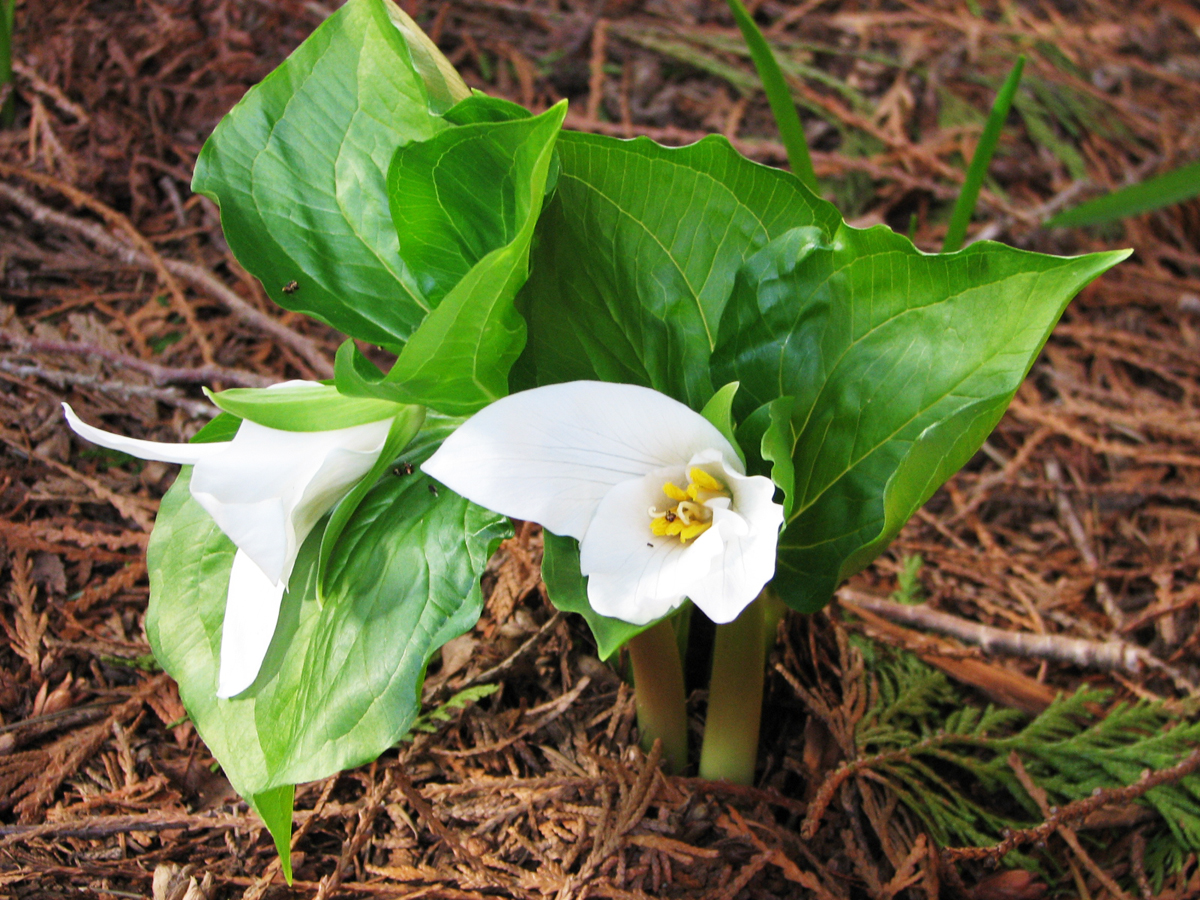
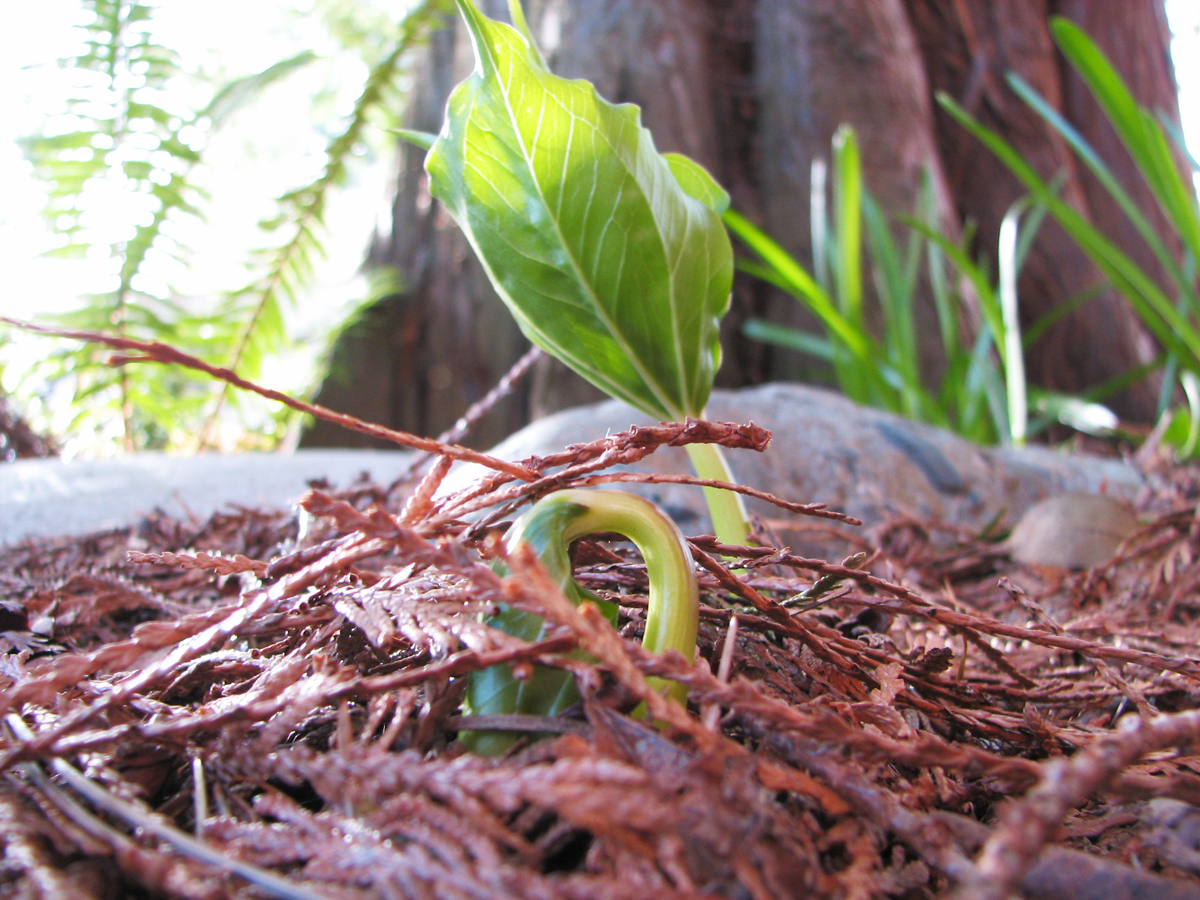
AS EXPECTED MARCH BRINGS SOMETHING NEW EACH DAY. Today the first of the trillium are showing off and more are breaking ground. These trillium are planted under two sixty (+) year old red cedar trees and may have been planted along with the trees by the previous owners of the property. They are interplanted with sword ferns (another nw native), slow to spread and are much like the ones found wild in northwest forests. I am not sure if they are grandiflorum or kamtschaticum cultivars. There are about two dozen and they slowly fade to purplish color. Anyway, they are another herald of spring that we look forward to seeing. Tom is especially partial to them.

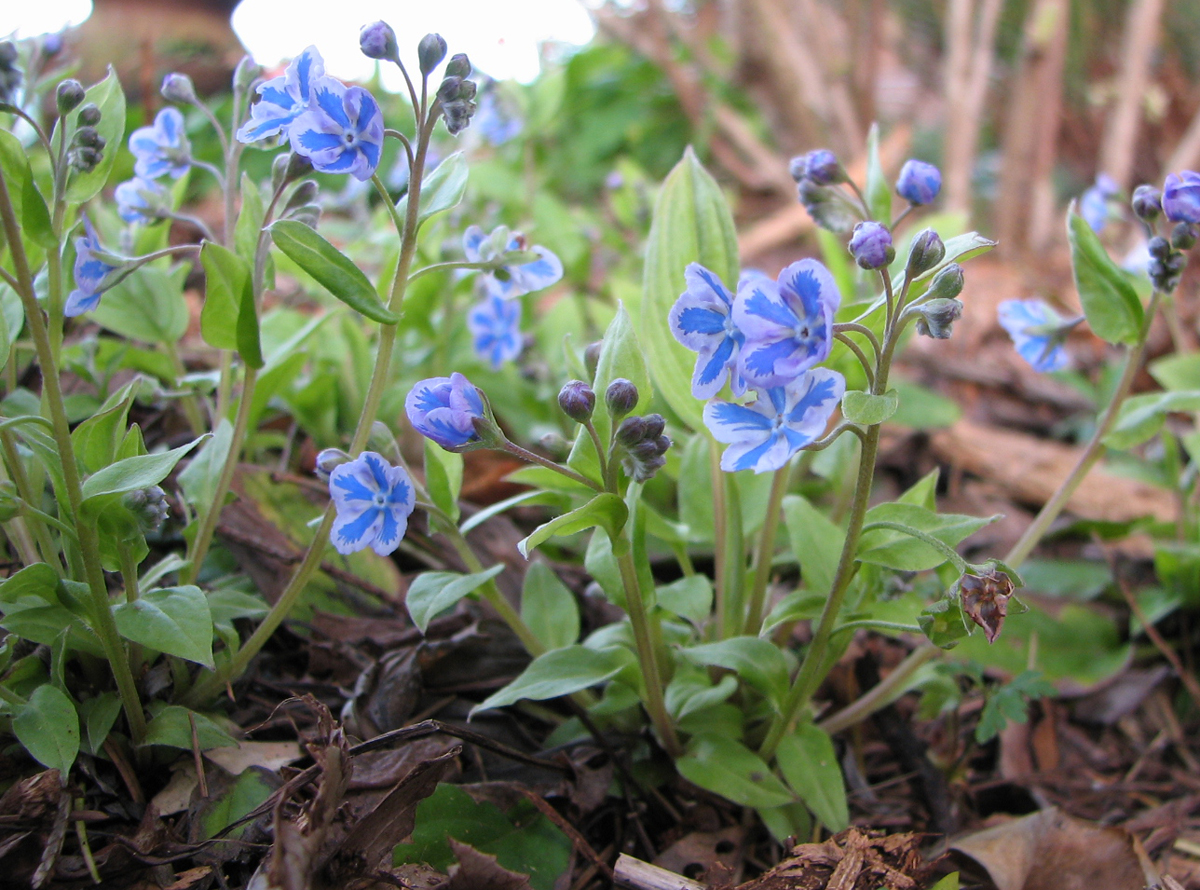
Another sweet and dainty little late winter flower is Omphalodes cappodocia ‘Starry Eyes’. It is a slow spreader; at least in this garden. How can you not be happy looking at this? The overall height is not much more than 2-3 inches.

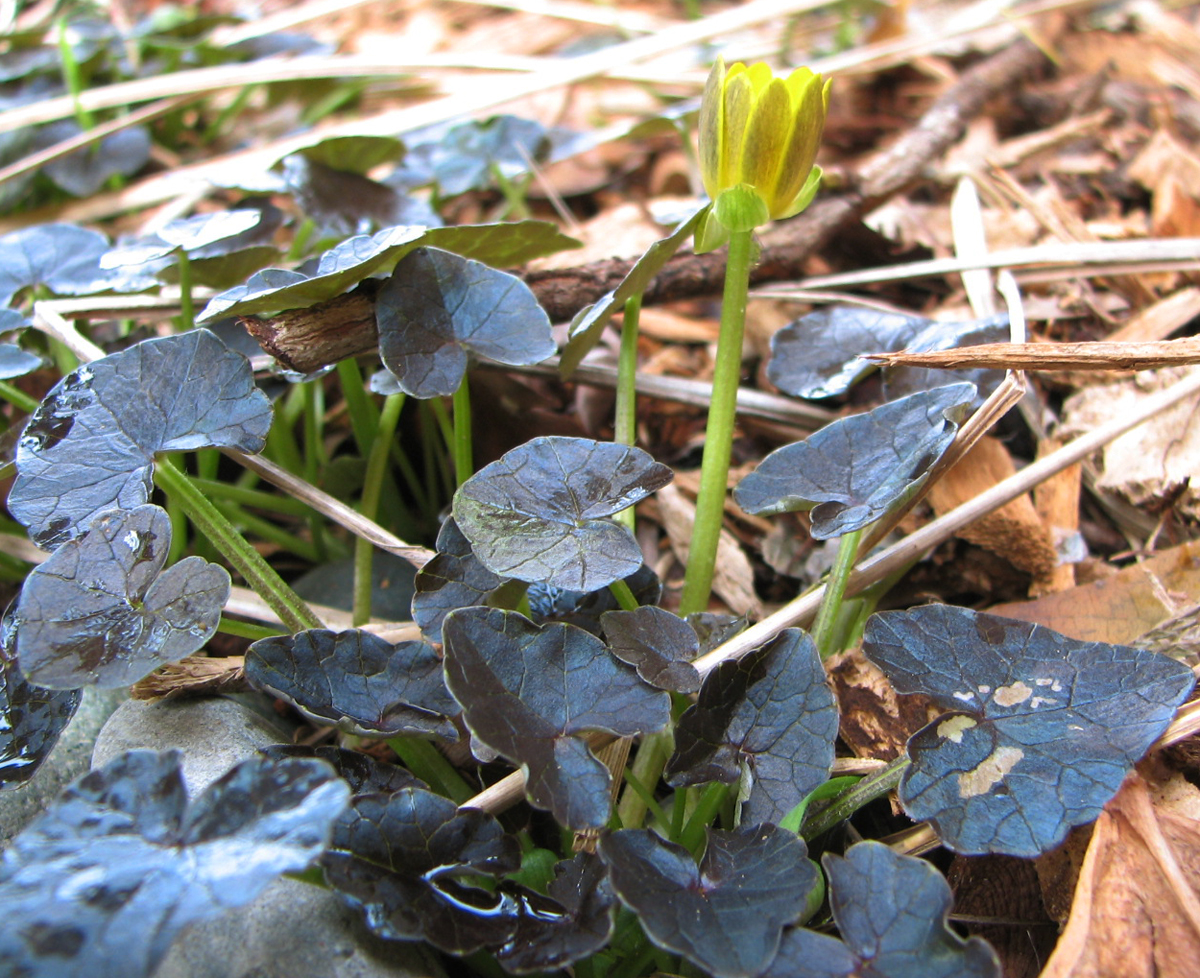
And the last photo for today is the first bloom of Runnuculus ficaria ‘Bronze Hussy’. Bright, brassy, yellow flowers above dark, purple-brown, heart shaped leaves. They are reputed to be a vigorous (synonym in the plant world for pest) spreader. But under the ‘bare feet’ of miscanthus sinensis (Maiden grass) they have slowly increased from 2 plants to about 5 over ten years! They would make a lovely early spring ground cover since they go dormant after a couple of months, not to be seen for another year.

MARVELOUS MARCH

Tags

, , ,

MARCH IS HERE WITH A WHISPER TODAY.  A photo (or two or three) posting a day is the goal for March!

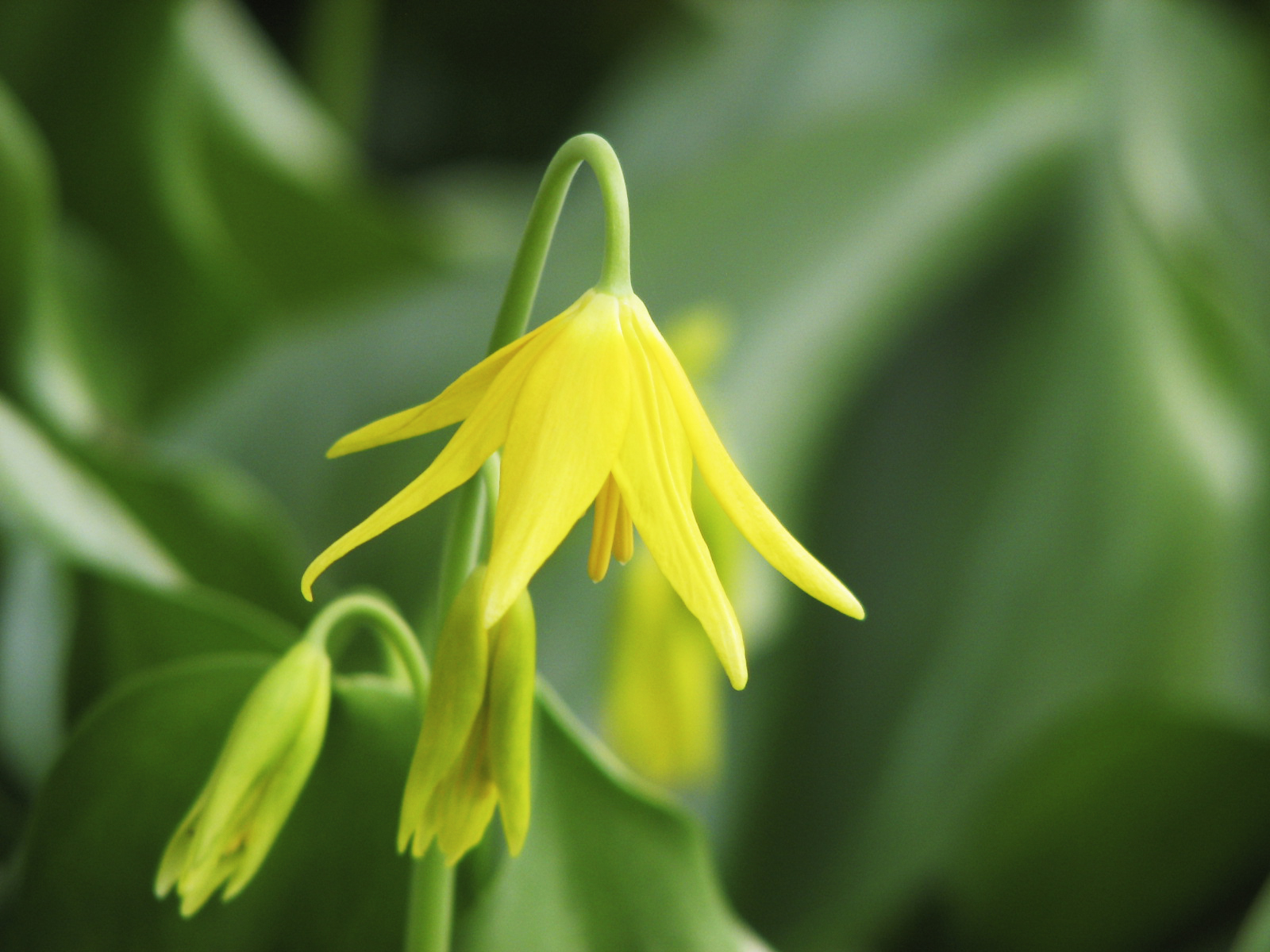
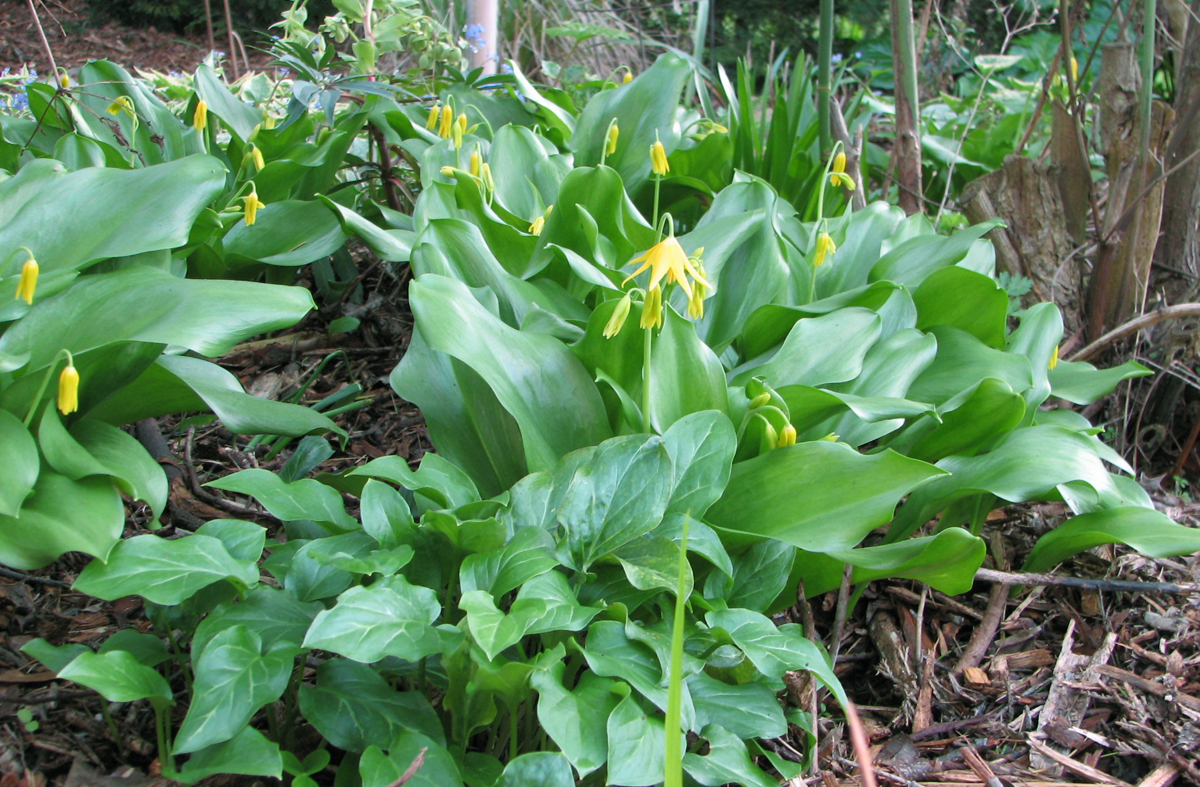
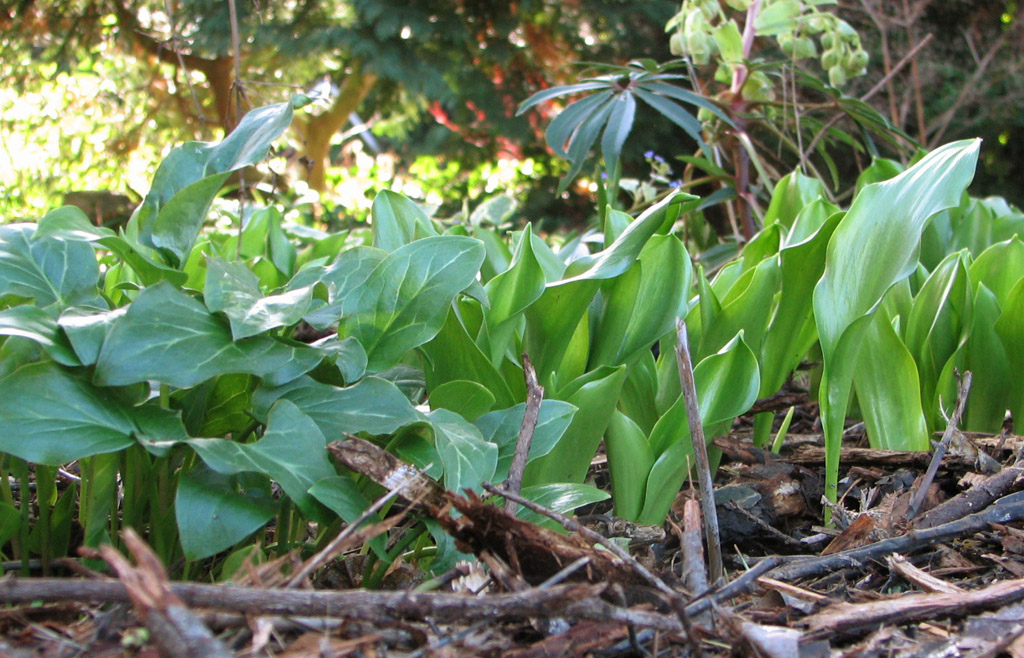
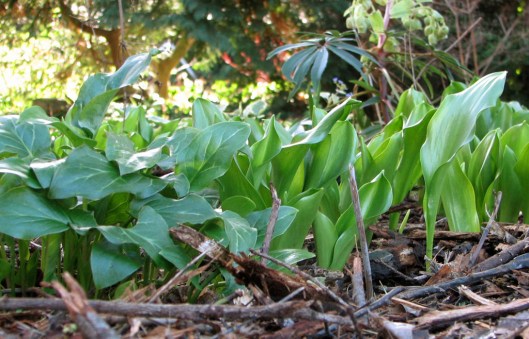
The bright spots today are the first sunny blooms of Erythronium tuolumnense Applegate. These lovely avalanche/trout lilies were collected from Grandma T’s garden about ten years ago. She may have collected them in the wild or received them from a friend. They are slowly colonizing the area under the lycesteria formosa and go completely dormant by June. A piece of arum italicaum came along with the erythronium and it is a spreader and can be a pest, but the darker green foliage and white veining is a nice contrast.

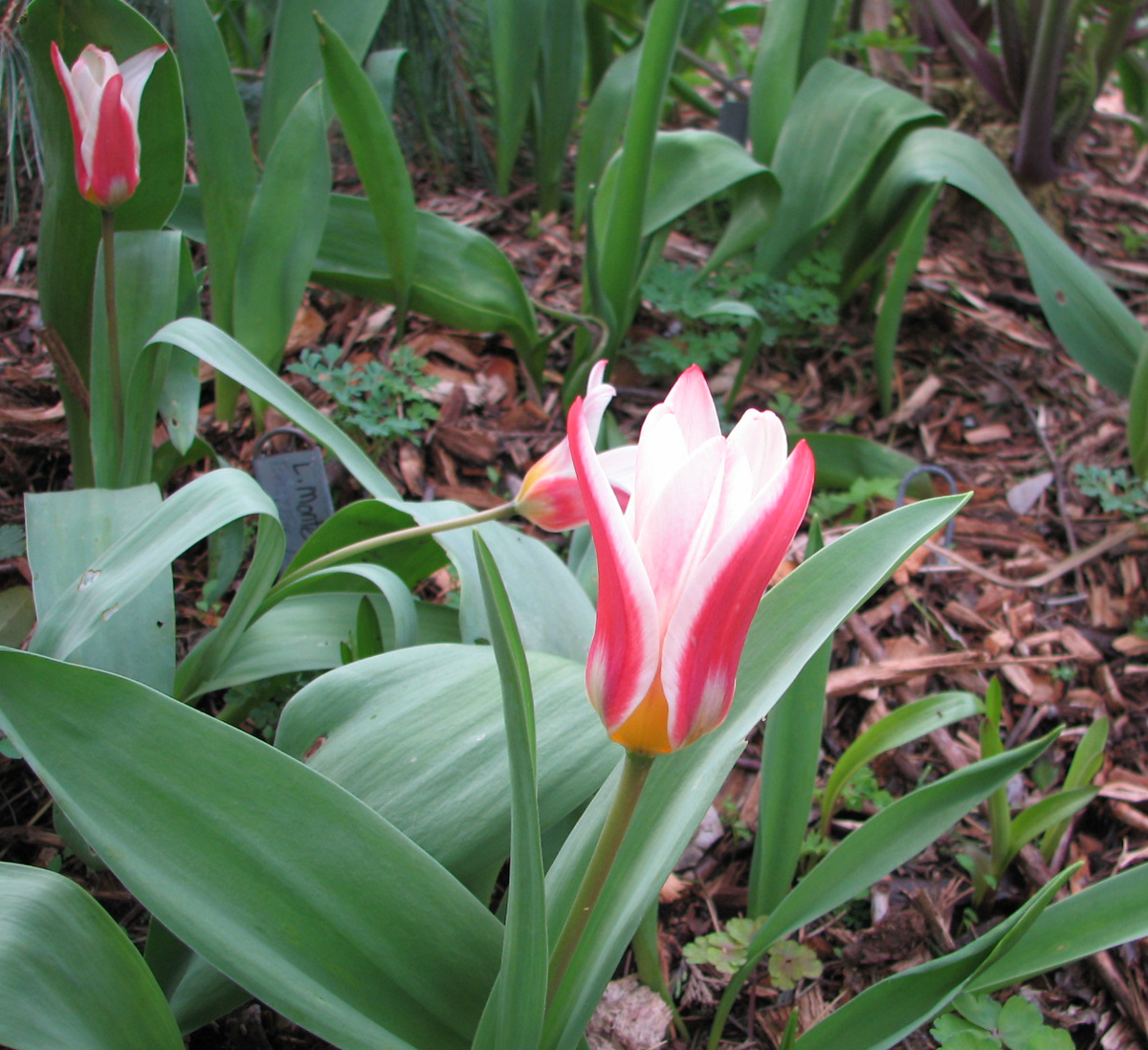
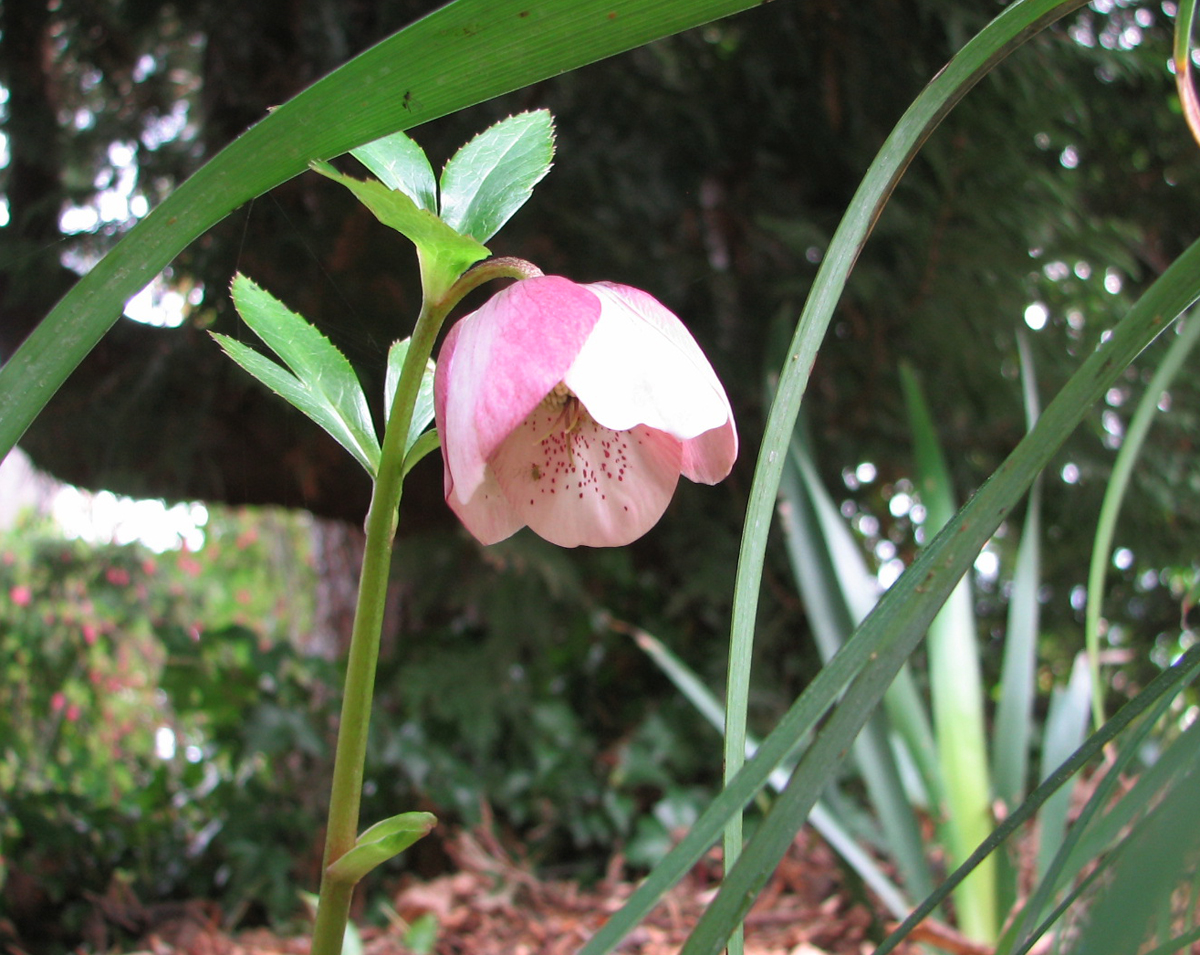
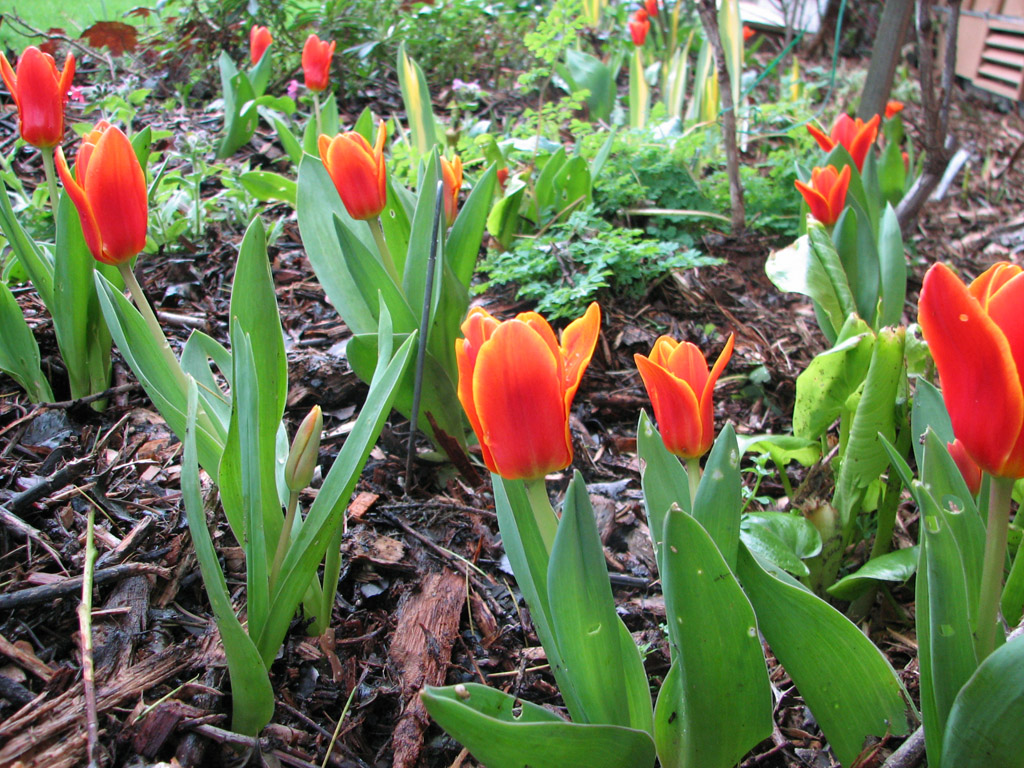
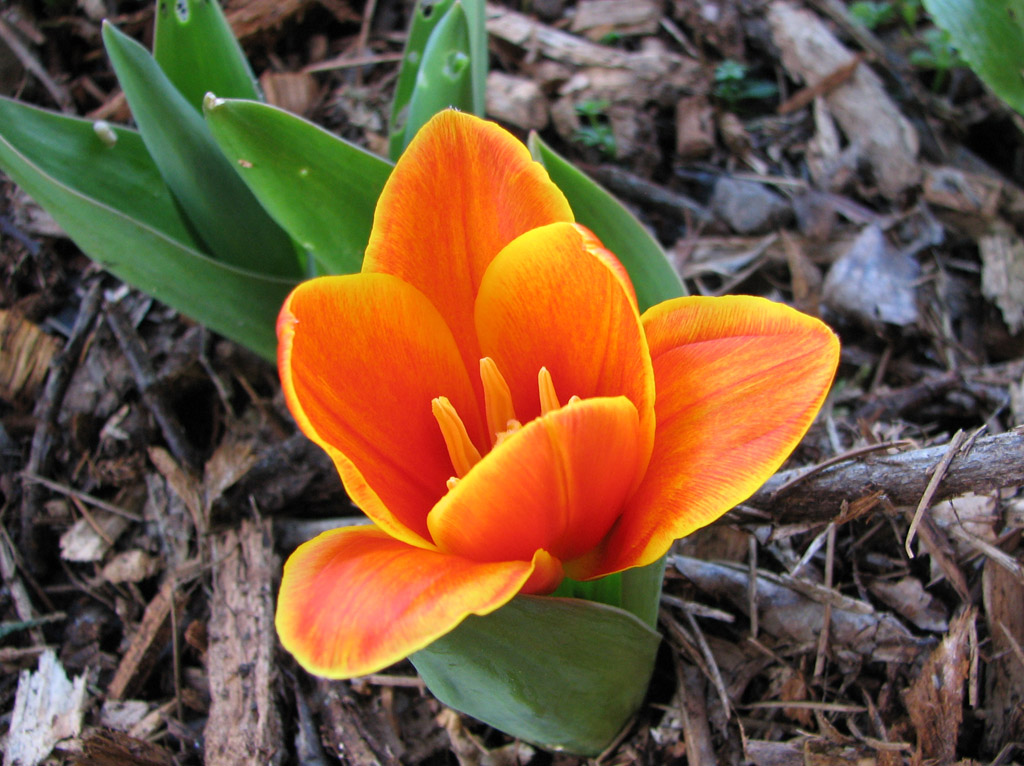
Also new today is the tulip Heart’s Delight, a kaufmaniana tulip and another hellebore just beginnging its bloom.

FEBRUARY’S FABULOUS PARADE

Tags

, , , ,

BACK IN NOVEMBER my neighbor had some trees trimmed and pruned. The tree trimming company shreds/chops all of the trimmings and offers the chipped wood gratis, so I asked for some and ended up with about four yards of wood chips to spread around the garden. The chips are good mulch material, don’t pack down, conserve on water, and attract worms and other creatures that break down organic material slowly, thereby improving overall soil health. The chips are not especially attractive to everyone (my husband), but I kind of like the bright green of emerging plants atop the earth colored chips. It won’t be long before the chips are barely noticeable. I spread some of the material throughout December and most of the remainder after we returned home last month. Some of the chips went on the paths between the raised beds in the vegetable garden.
Before covering each garden bed with the chips I spread compost and broadcast a mixture of alfalfa, bone, and kelp meals, all slow release fertilizers. So, everything in the garden should grow happily throughout the coming year.
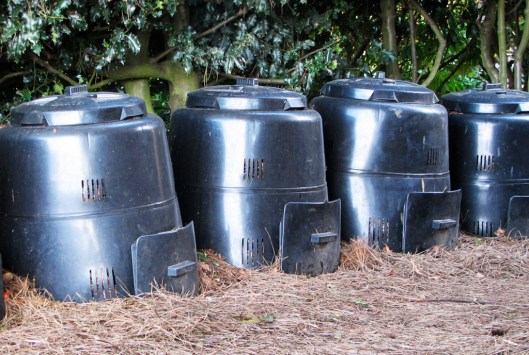
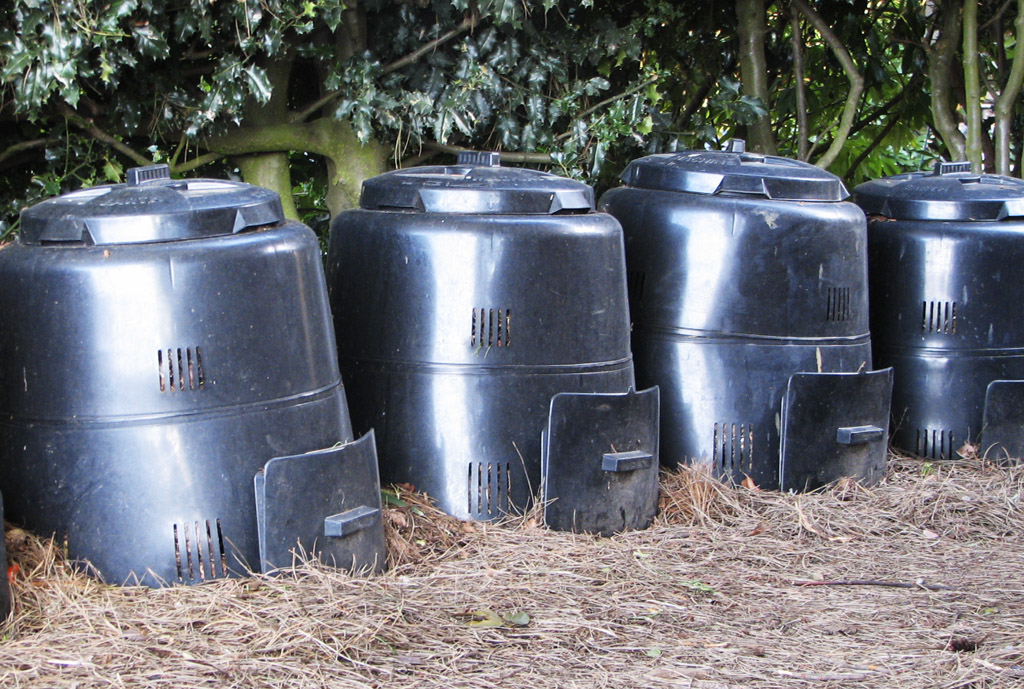
The compost bins

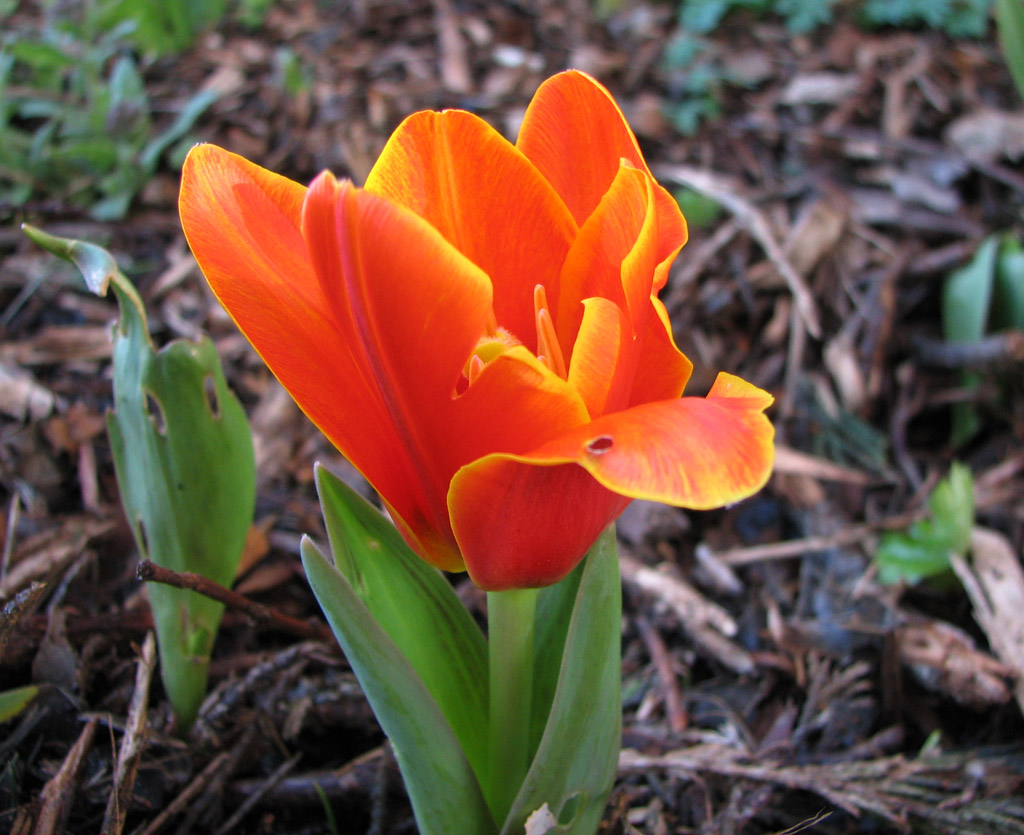
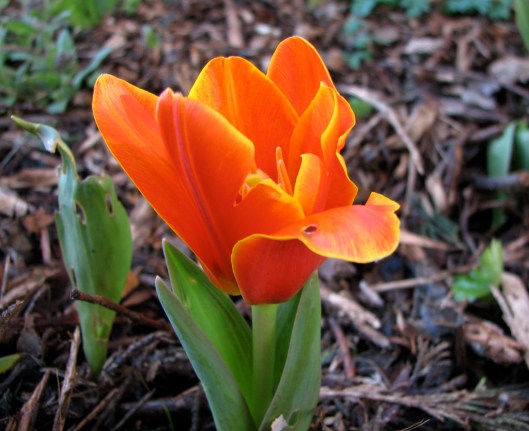
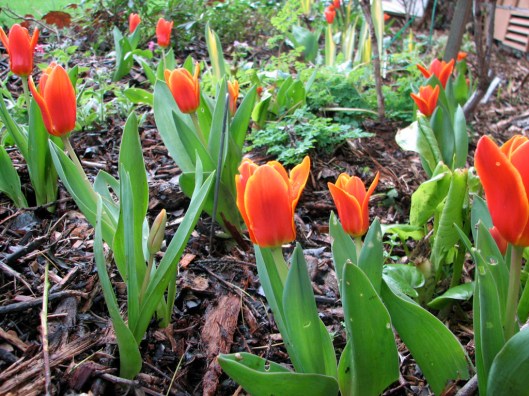
Since our January weather has been so mild and warm, many bulbs are showing more than a month early like these Early Harvest tulips. Planted in the fall of 2008 they bloomed in mid-March of last year. This year they were beginning to bloom the first week of February.
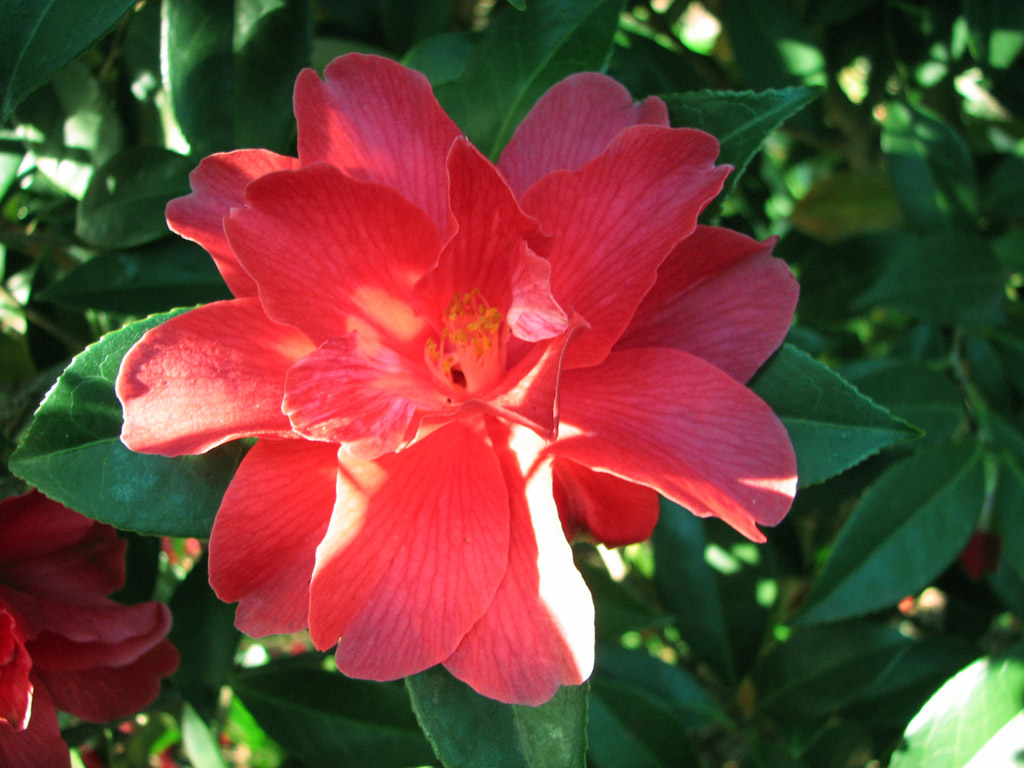
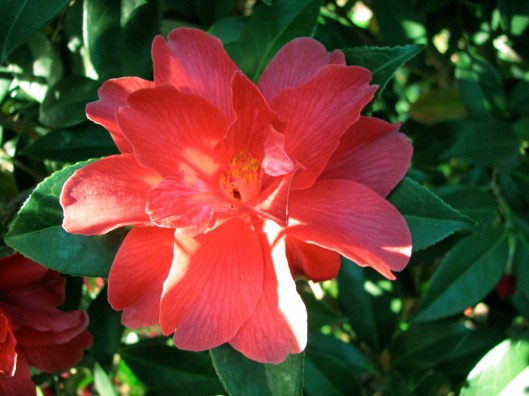
The camelia ‘Freedom Bell’ began blooming in mid-January, also about a month early. This is a small camelia,  a slow grower up to 6-7 feet in 10 years. We planted this one about 12 years ago and so far about 6 feet tall.
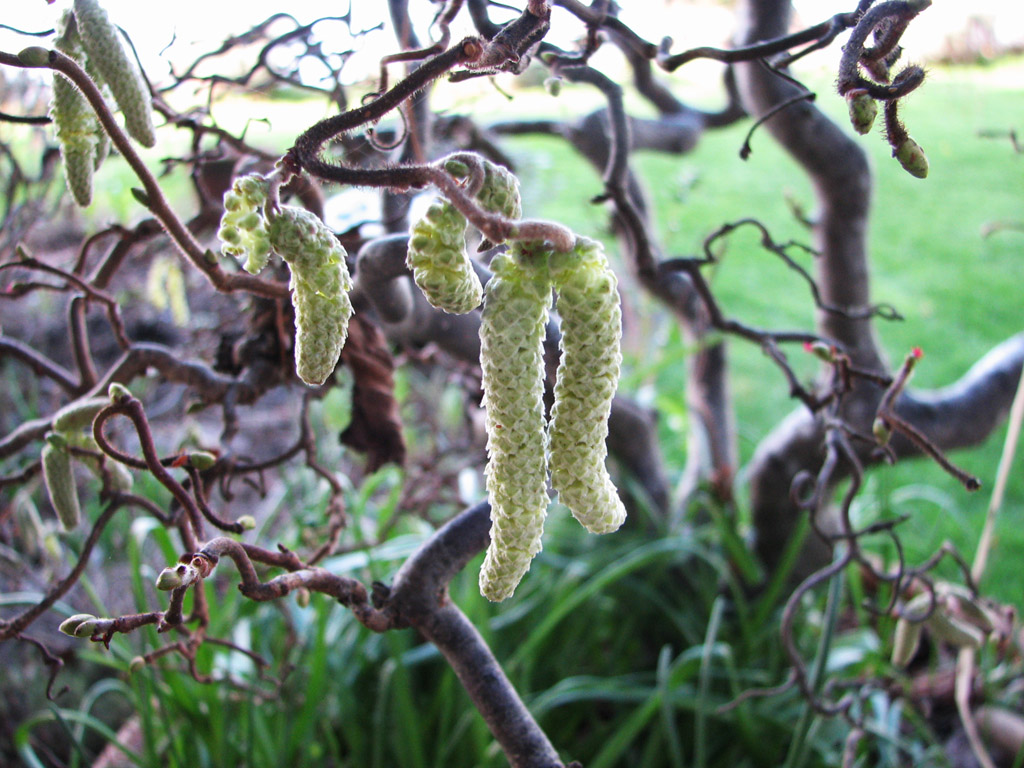
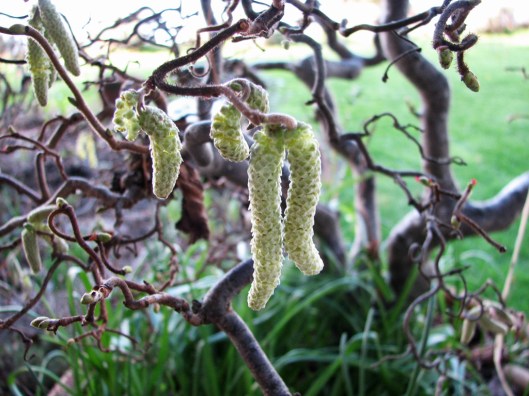
There are some things that I just look forward to seeing every year. Each little thing is a herald of its season and what will unfold as the season rolls along. I love the little catkins that dangle from the twisted, curly limbs of Corylus avellana ‘Contorta’ also known as Harry Lauder’s walking stick or corkscrew hazel. The actual flowers are the tiniest red petals at the end of what appear to be green leaf buds. The catkins just look cheerful as they sway in the breeze.
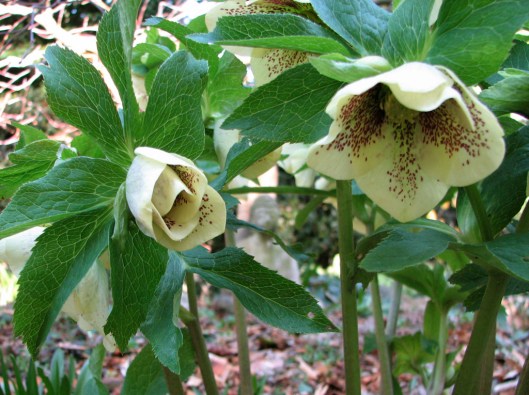
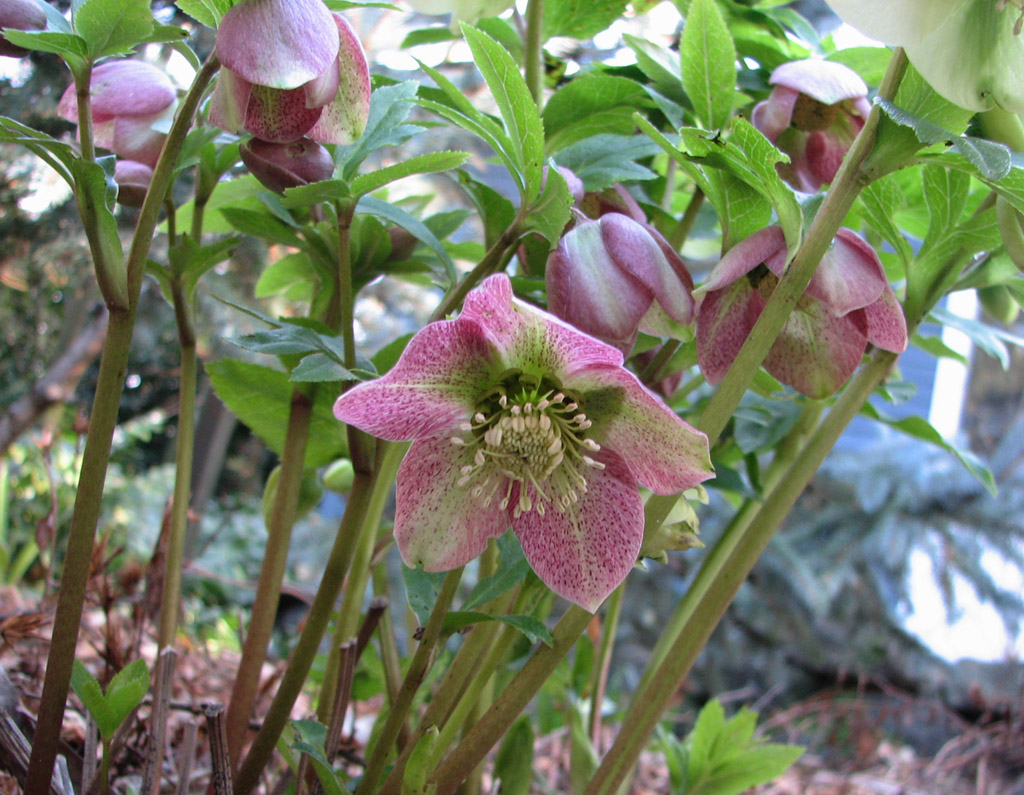
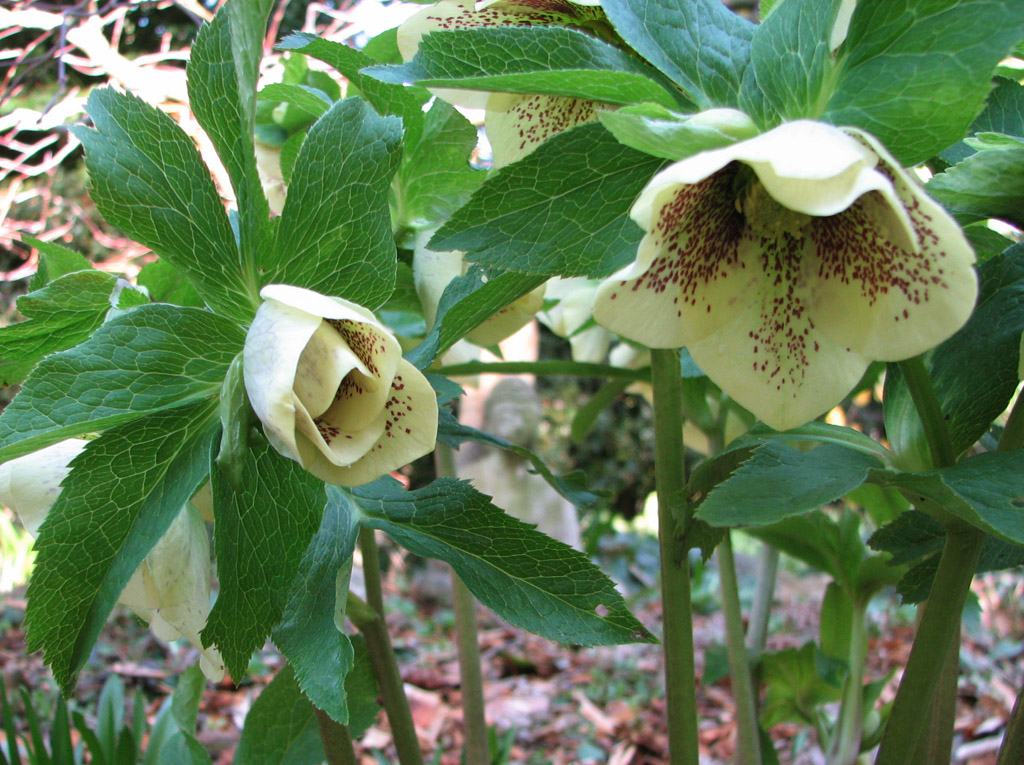
OH, the mid-winter blooming hellebores! Most of the hellebores here came from Grandma T’s garden and have multiplied. Like columbine, hellebores seem to freely hybridize so there are color variations in the flowers of new plants.
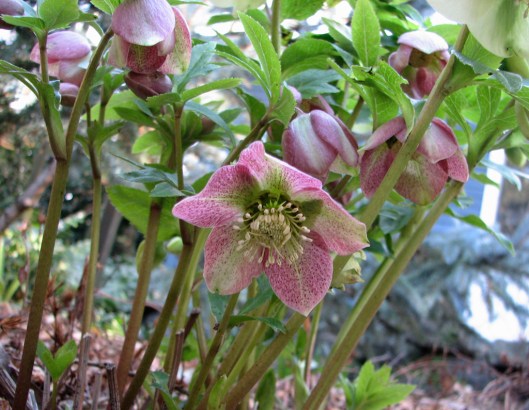
helleborus orientalis

A yellow hybrid purchase in 2008

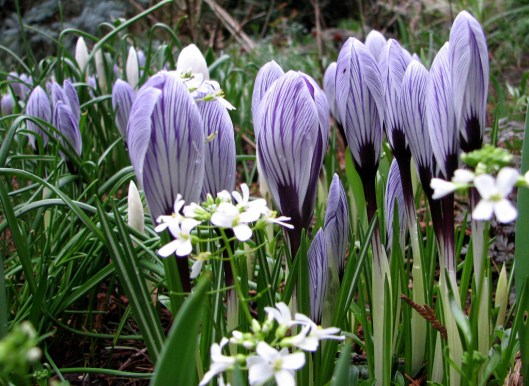
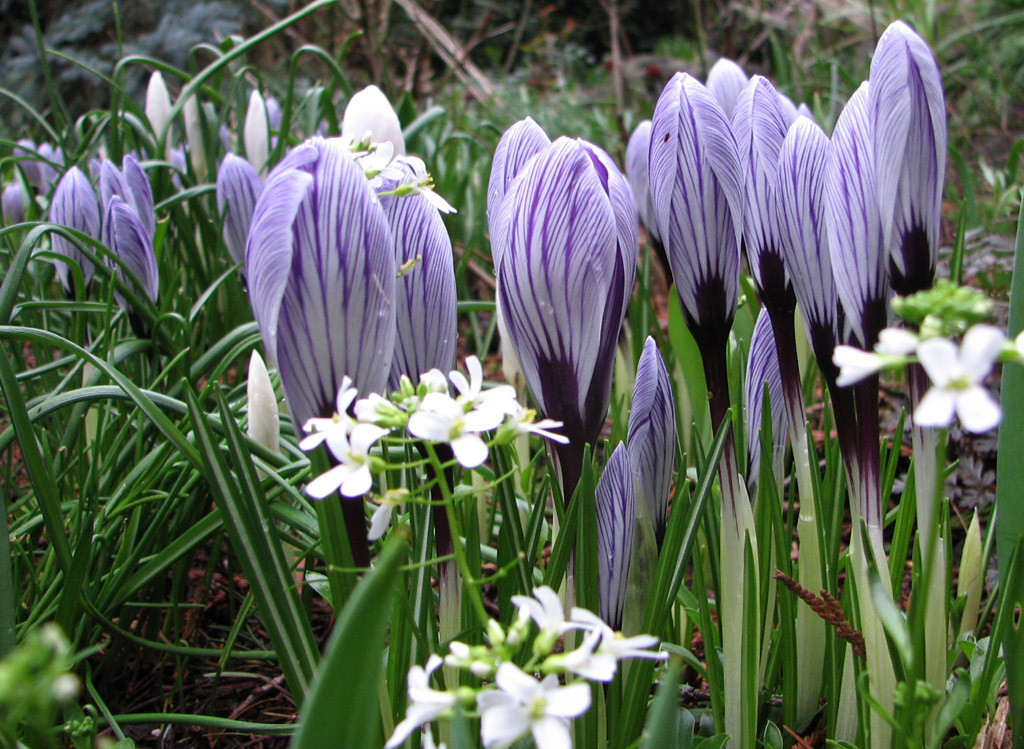
The rain returned last Tuesday and continued off and on through Friday. The crocus had about two weeks of glory before succumbing to the rain and falling over. These are giant crocus, ‘Pickwick” inter-planted with white ‘Peter Pan’ and white arabis. They are about 4-5 inches tall and have mulitplied nicely since planting in 1997. They run about 15′ along the edge of the driveway. Tulips are planted behind and will bloom over the next w months. So many plants resuming growth and blooming it is hard to keep up!