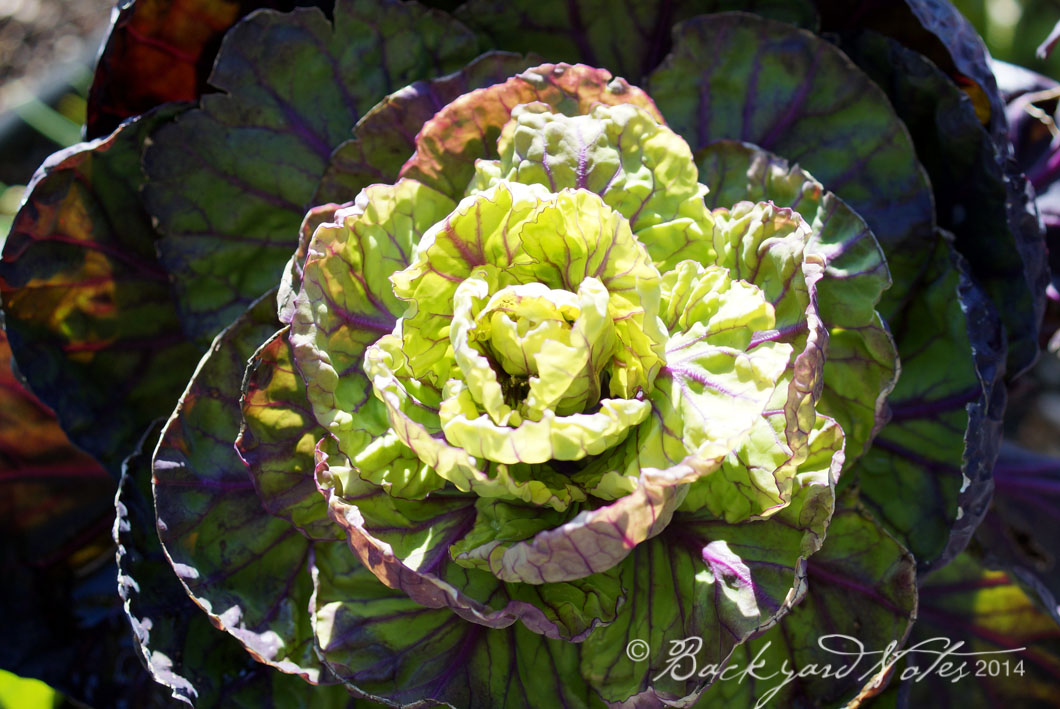
GROWING AGAINST CONVENTIONAL WISDOM

Tags

, , , , , , , , , , , ,

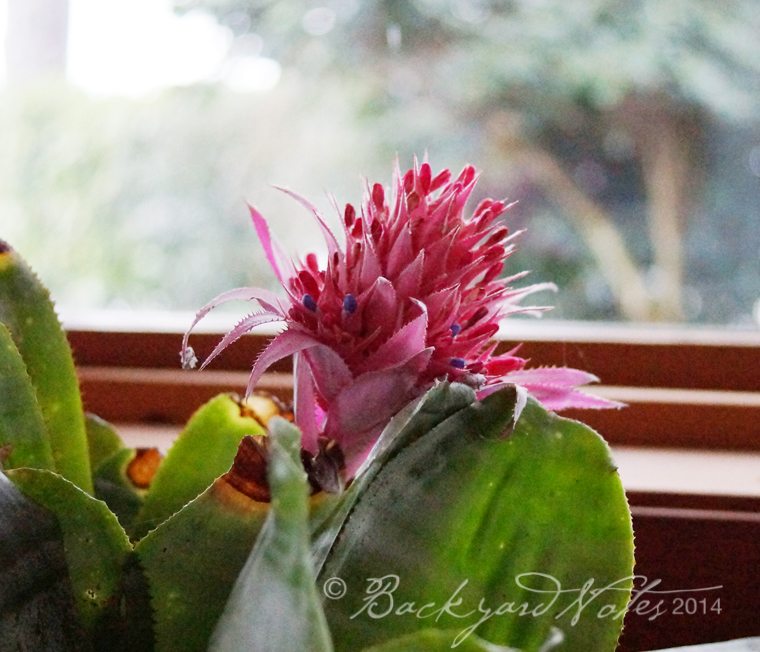
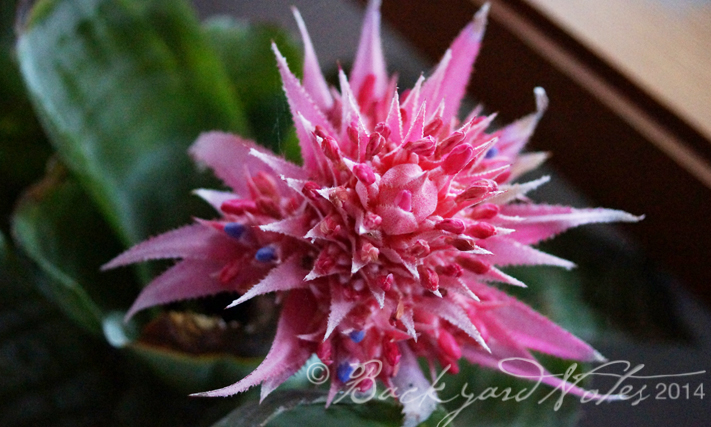
Aechmea fasicata

Aechmea fasicata

PEOPLE AROUND HERE ARE CONTINUALLY PUSHING THE ZONE LIMITS OF PLANTS. It must be a secret wish of gardeners here to have California type warmth without having to actually live there. We read about our temperate northwest climate being similar to the Mediterranean with dry summers and cool winters. There are plenty of micro-climates west of the Cascade range that convince us we can grow tropical plants, cacti, and other hot weather lovers. The problem is that in addition to cool, we have plenty of wet, which many of those coveted plants don’t like. I am part of the club.

I have had the plant pictured above (and below) for about 15 years. It goes outside in May and comes in, in November. It has been sending out an infloresence every year for the past ten. It spends the winter in our unheated bedroom under an open window and seems to thrive.
Aechmea fasciata_2

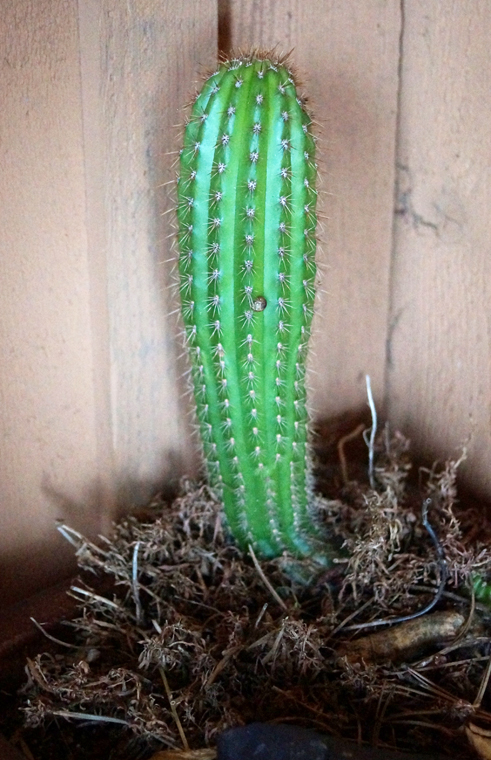
I think this belongs in the cereus family.

I think this belongs in the cereus family.

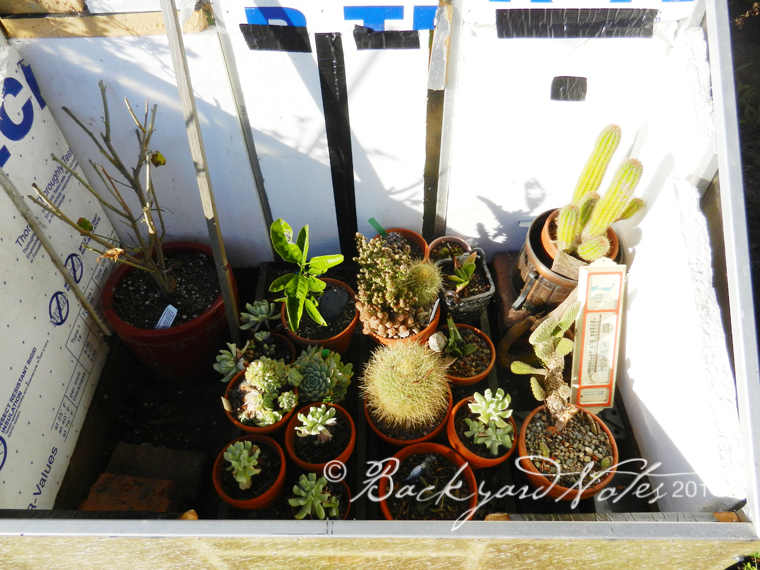
This cactus started from a piece broken off of a multi-armed one that I have had for about 35 years (only the last ten in the coldframe). This start has spent the past two winters outside in a sheltered spot on our deck and has grown more than eight inches since I poked the piece in a pot two years ago; I didn’t expect it to survive.
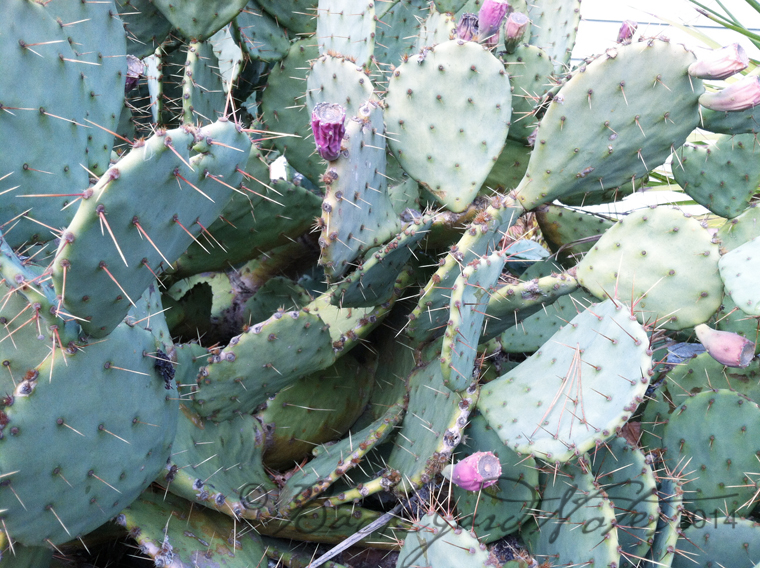
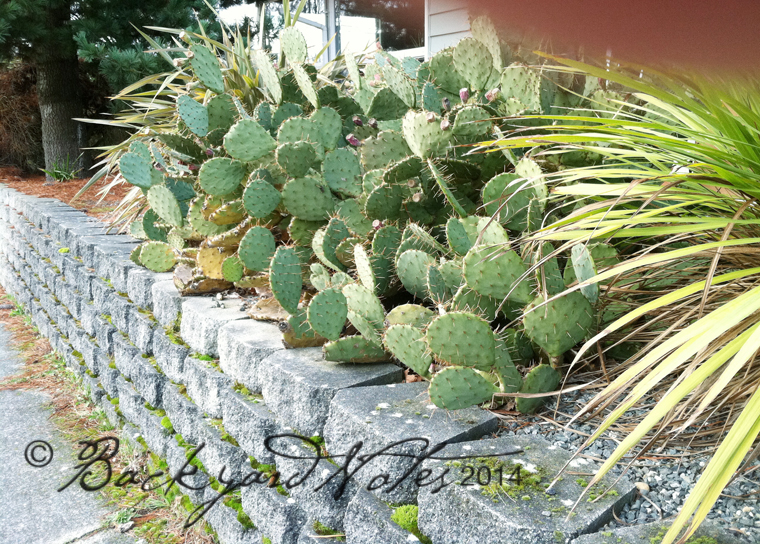
PricklyPear_closeup PricklyPeargardenAbout a half mile from my house is this splendid opuntia/prickly pear specimen.

There are a number of people nearby who grow some pretty exotic tropicals: bananas (the Japanese musa varieties) bundled up for the winter with insulation; tender cotyledons, aloes, echeverias, and agaves covered with upside down aquariums and glass globes.
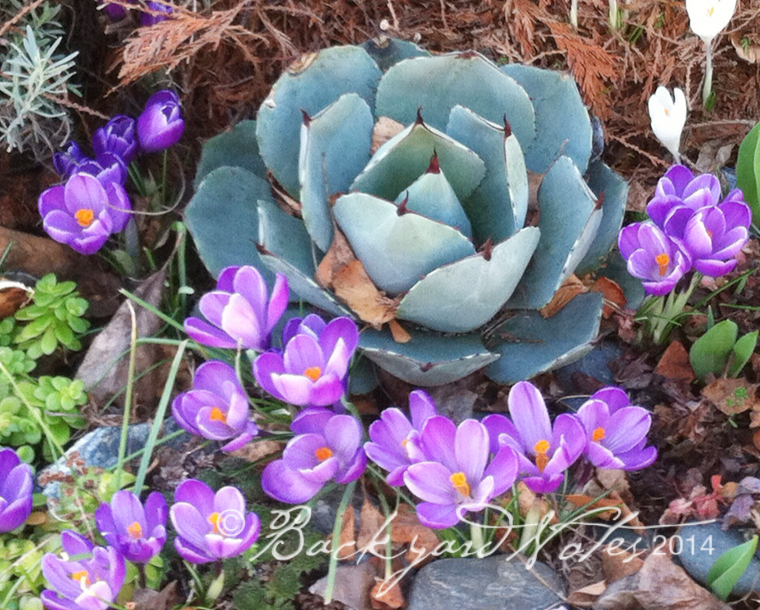
This agave in a nearby garden, stays comfy in an upside down aqaurium over the winter

This agave in a nearby garden stays comfy in an upside down aqaurium over the winter

I flirt with disaster every winter by putting cactus, echeverias and other tender succulents in an unheated cold frame.
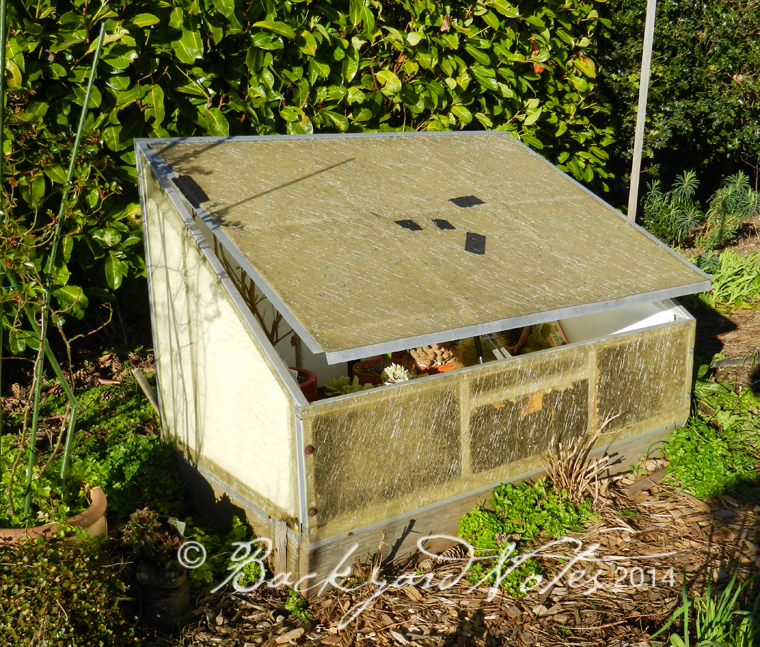
My 15 year old coldframe
My 15 year old coldframe

The tender collection

The tender collection (that cactus in the upper right corner is the parent of the cereus photo above)

Around mid-November I add the insulation with the hope of keeping my tender plants from freezing. I think our coldest overnight temperature so far this winter was about 22°-23°. So far, so good.

What kind of irrational plant collecting are you involved with?
HOORAY FOR HELLEBORES

Tags

, , , ,

Looking to the sun

Looking to the sun

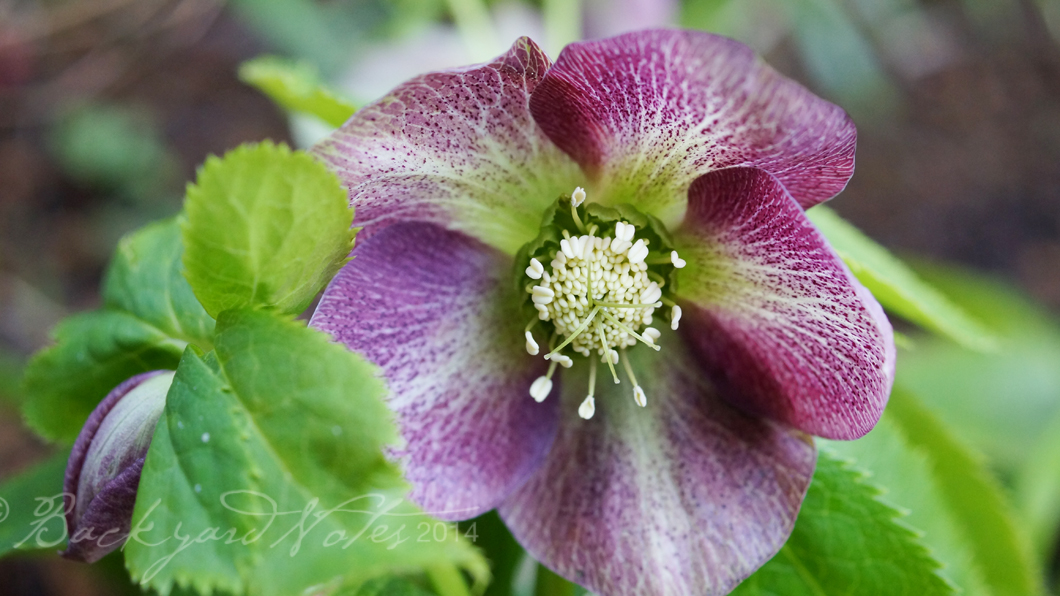
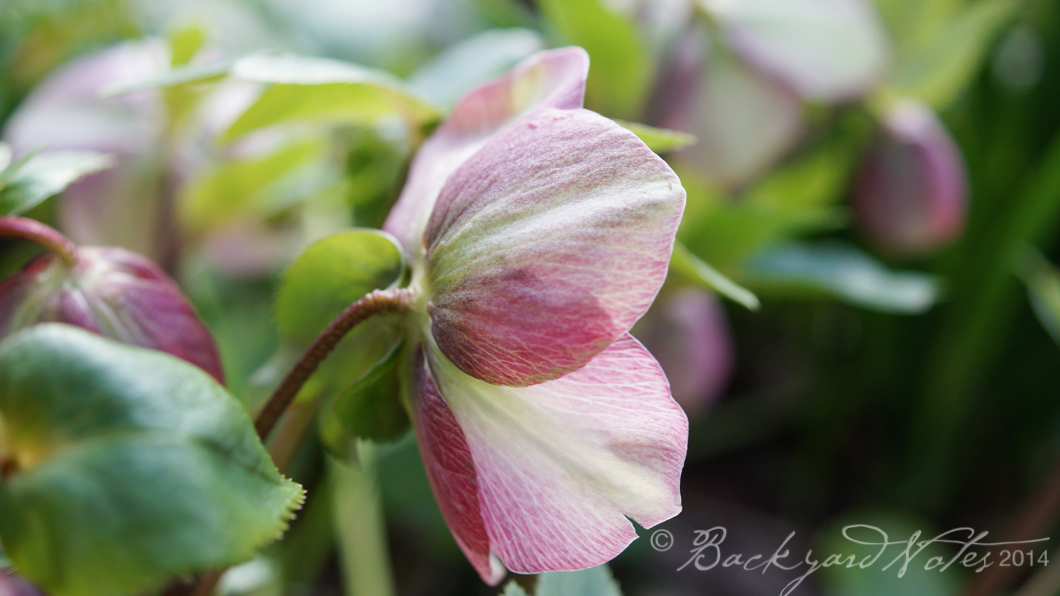
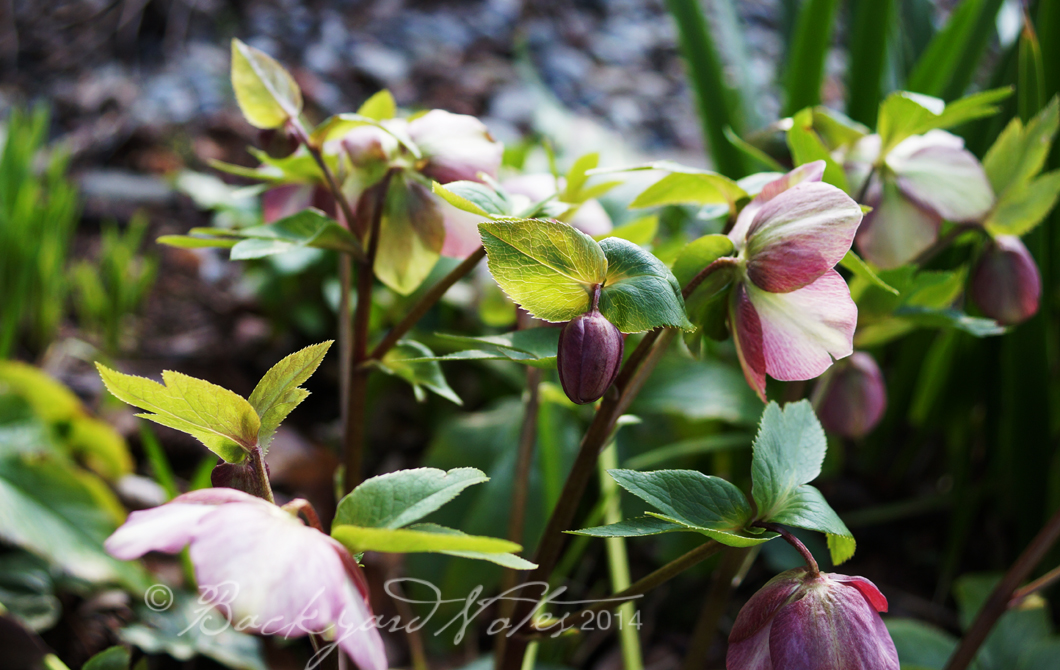
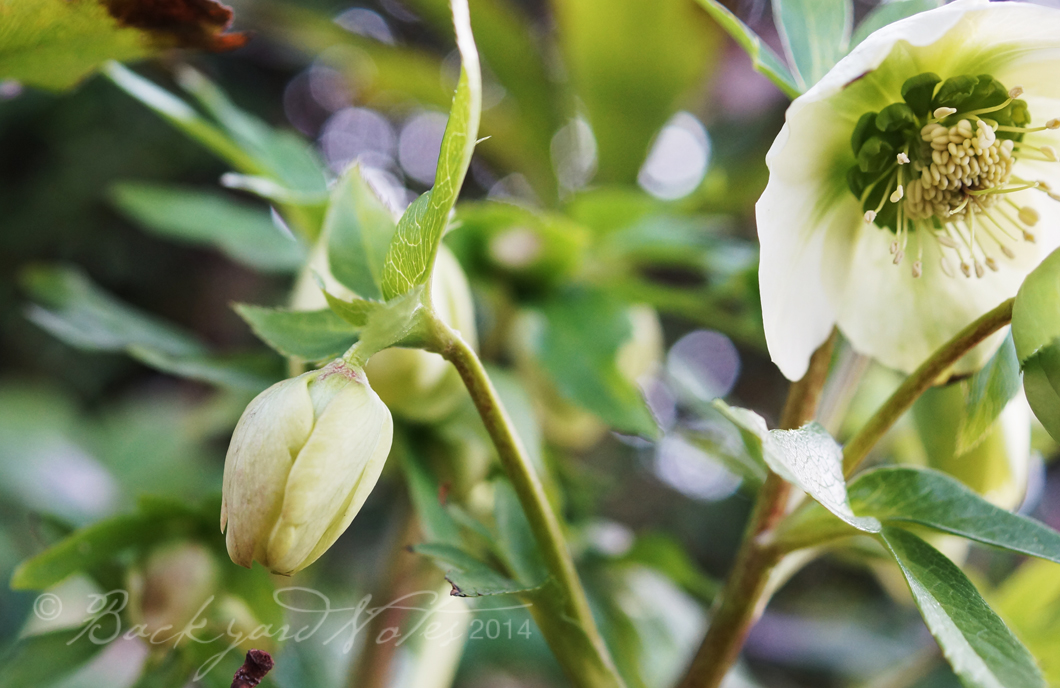
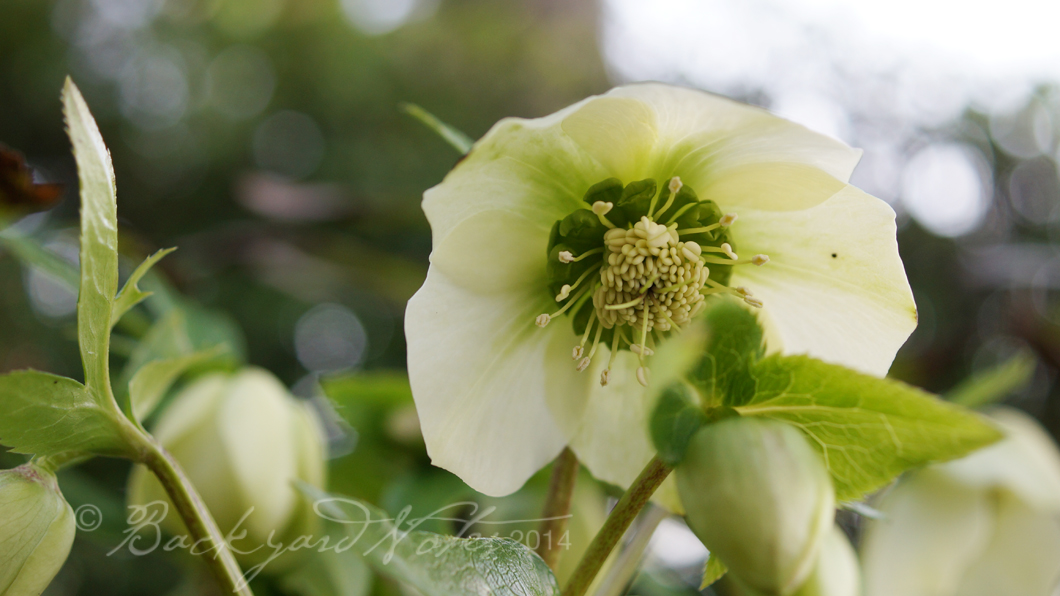
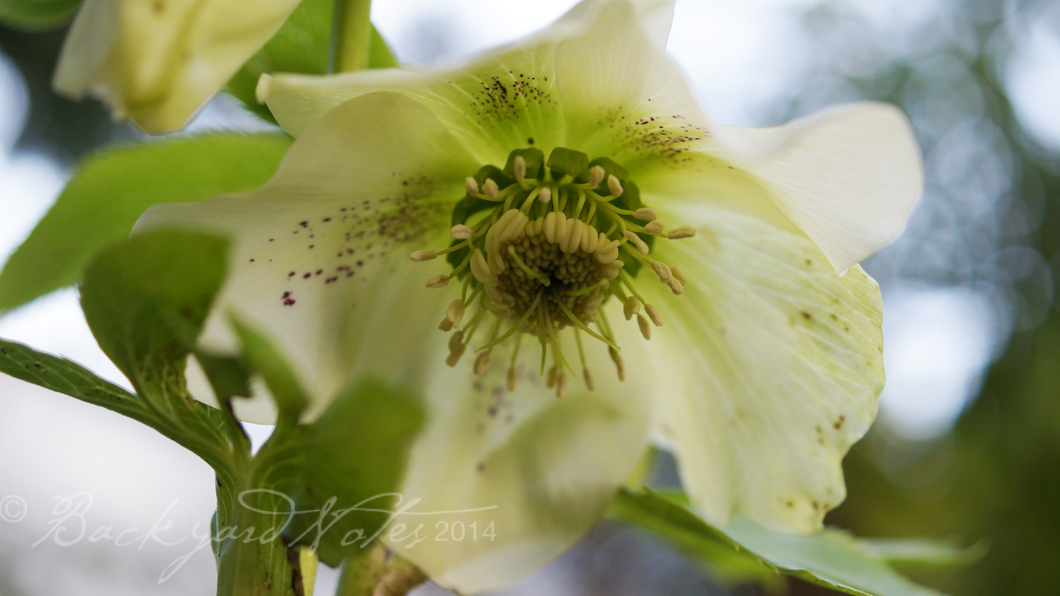
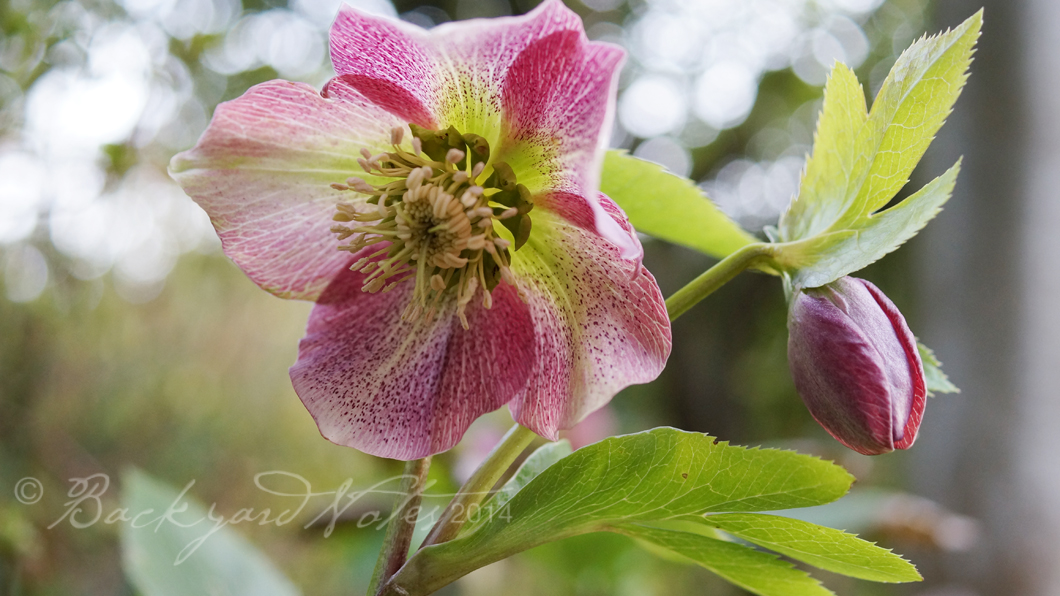
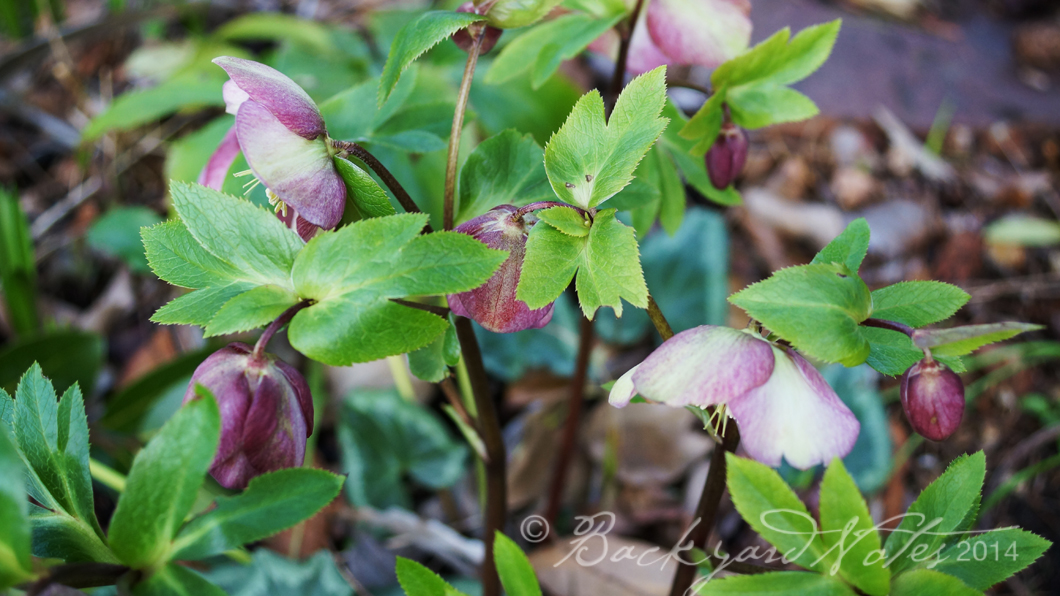
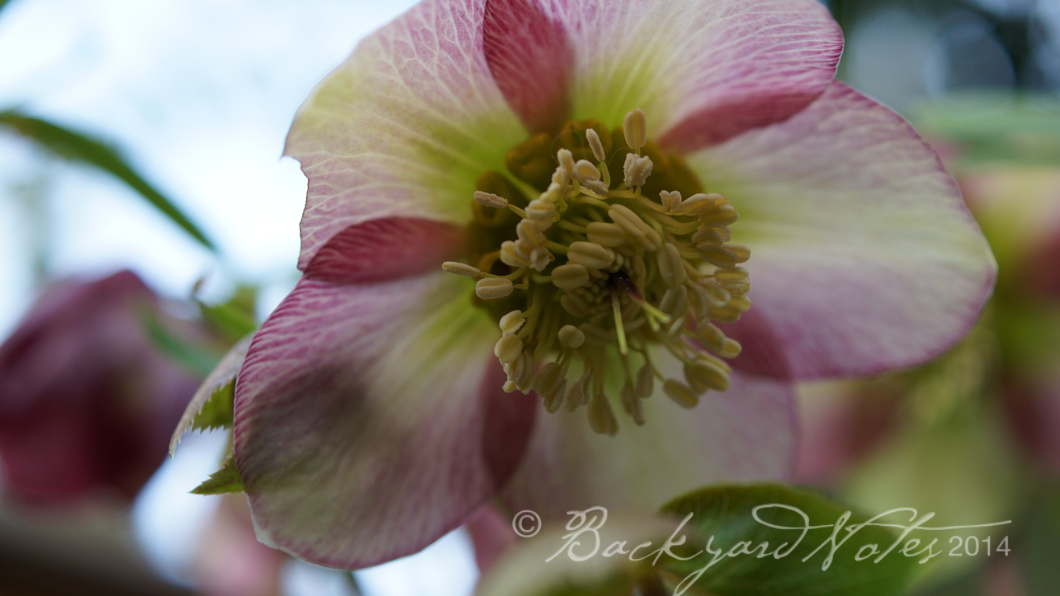
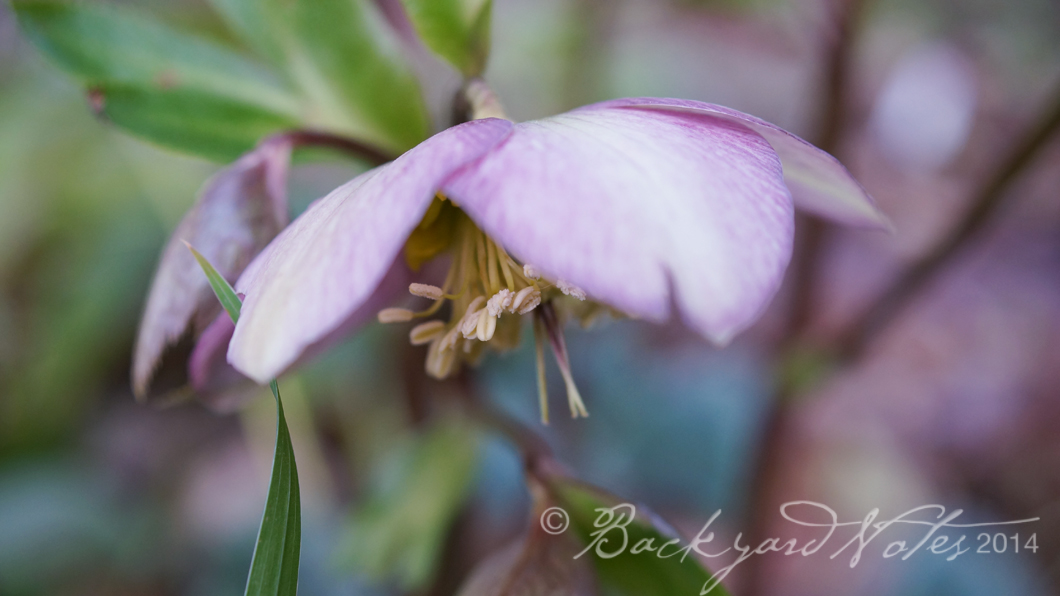
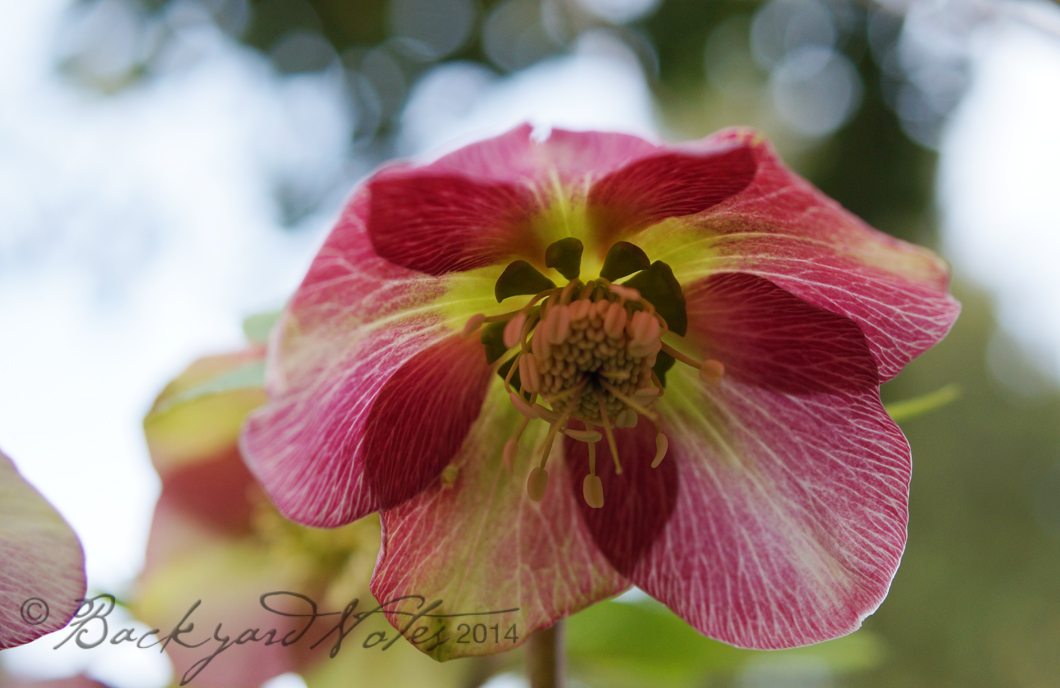
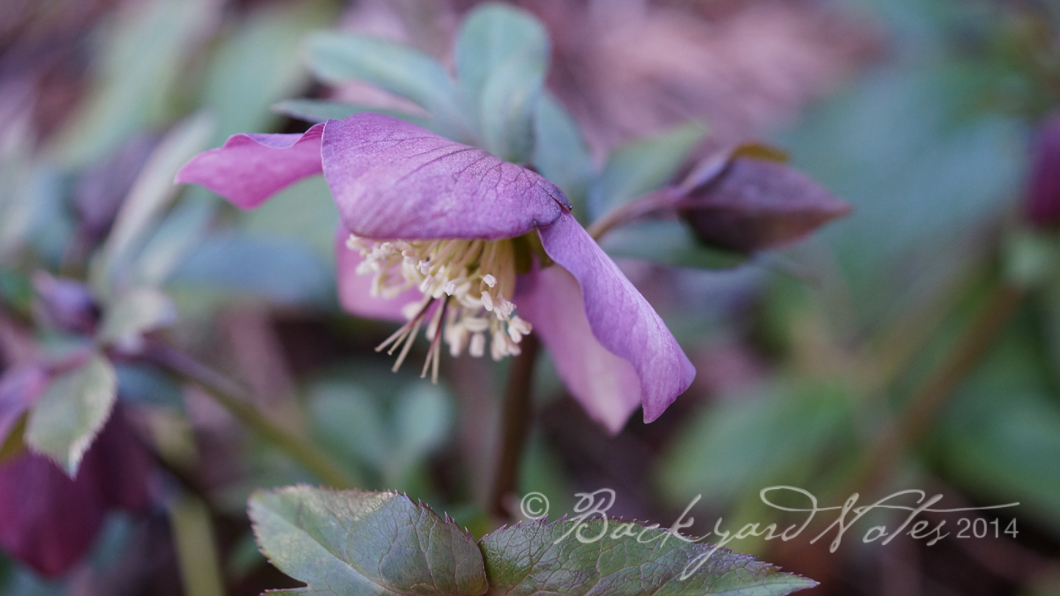
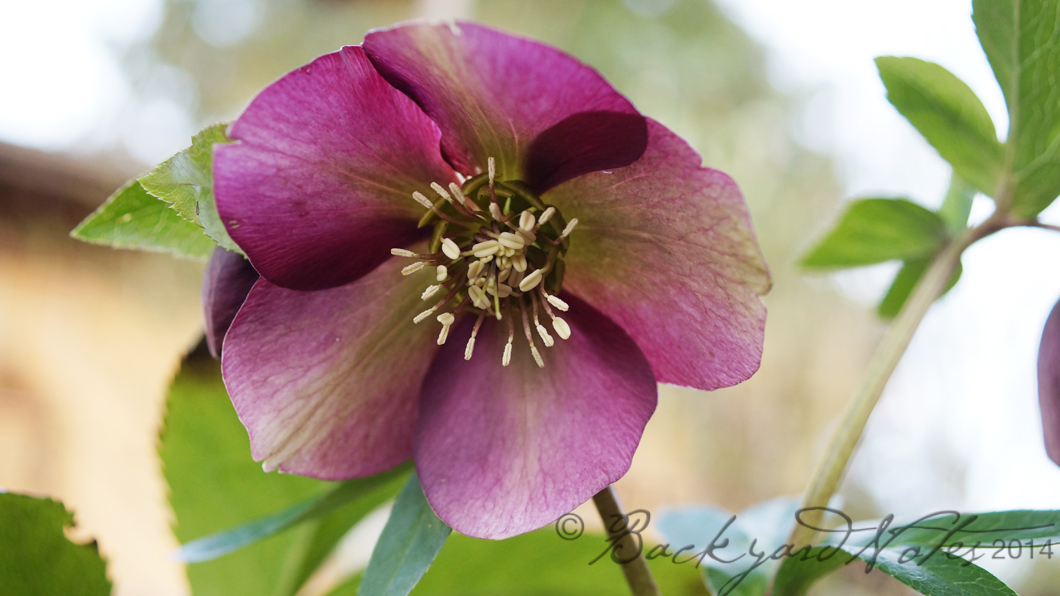
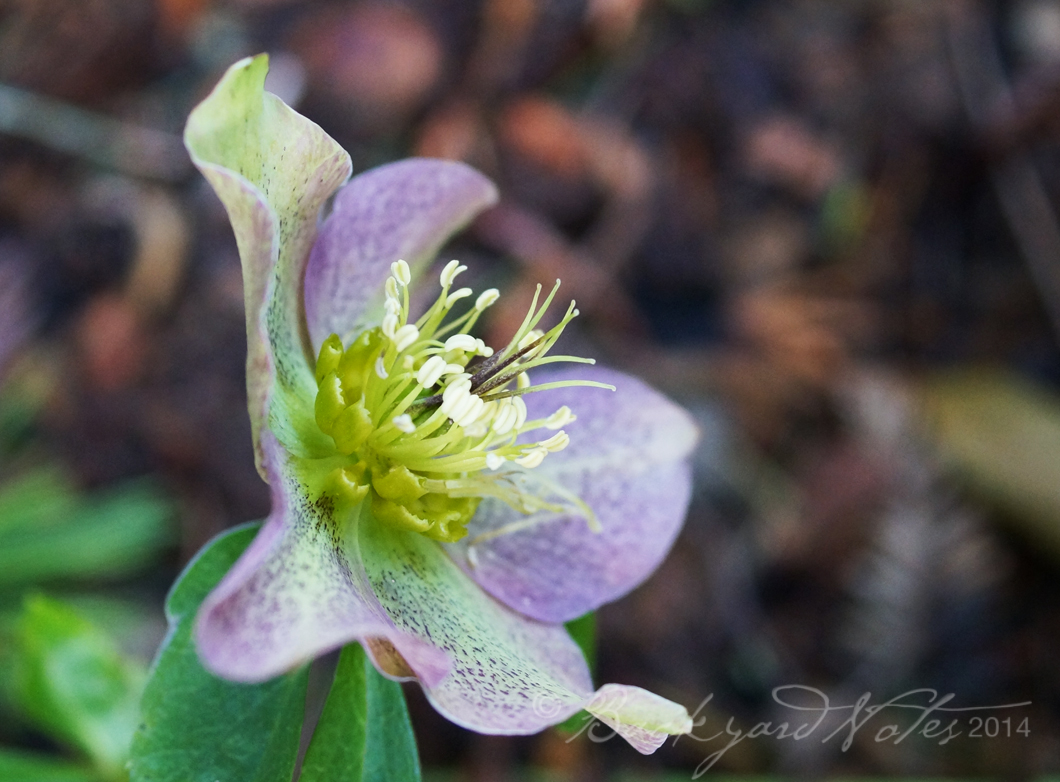
HARDY. HALE. HALTING. HANDSOME. HAPPENING. HAPPY. HARMONIOUS. HEAVENLY. HEAD-TURNING. HELLEBORES. They brighten the mid-winter landscape with their lovely, sometimes nodding, sometimes up-facing flowers. Most of the ones (orientalis) in my garden are old varieties that have freely crossed with one and another. I love the striped and speckled petals that look as though they were air brushed with color. Since it takes a few years for seedlings to grow to the point of flowering, I can’t know until then what cross-pollinating has created and the color variation that may have resulted. Most of the helleborus orientalis in my garden originated from a couple of plants brought home from Grandma T’s garden. The availability of color ranges of hellebores has increased dramatically in the past ten years and newer cultivars range from white and palest pink to darkest maroon-red, yellow and green. Helleborus orientalis are also known as Lenten Rose since they usually begin their bloom time sometime near Lent. Helleborus niger, which is generally white begins its bloom cycle in December. The flower shape is different as are the leaves, which are smooth, and un-toothed. Then there is helleborus argutifolius, helleborus foetidus, helleborus lividus, and about fifteen other species within the genus.

Hellebores are incredibly hardy plants. The flowers are long lived and are attractive even as the seed capsules form. They are good cutting flowers; their leaves, deeply lobed with toothed edges, hold up nicely through the summer, finally looking bedraggled about the time the blooms, on sturdy stems, rise and unfurl from the soil. Below are some of the hellebores now in bloom around here. I hope you enjoy them too.

Hellebore_2 Hellebore_8 Hellebore_7 Hellebore_6 Hellebore_5 Hellebore_4 Hellebore_3 Hellebore_group Hellebore_13 Hellebore_12 Hellebore_11 Hellebore_10 Hellebore_9


FIVE PIECE PAINTING PROJECT–UPDATE

Tags

, ,

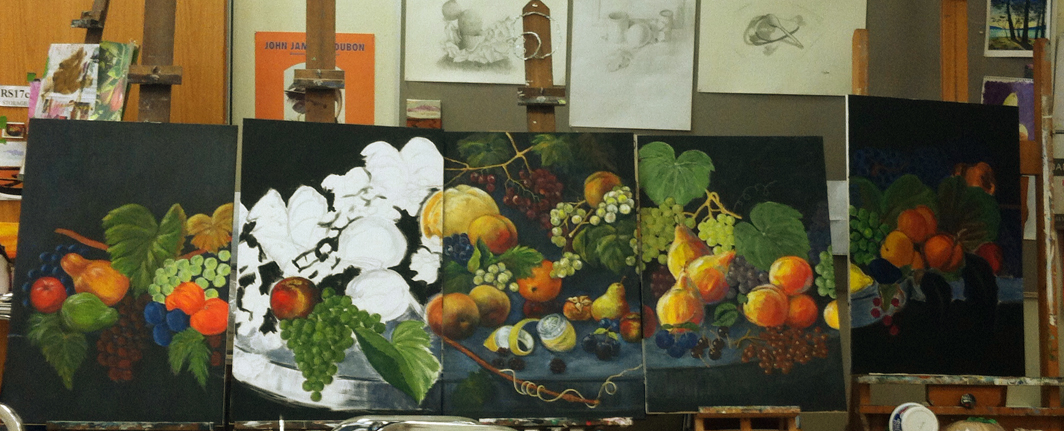
LadenTable_2THIS IS ONE OF THE THREE ‘PAINTINGS’ in progress for the multi-canvas/painter project in progress. I think it will be fabulous when all five canvases are complete. It already reads as one, even with different painting styles.


MY PEAR PROJECT

Tags

, , ,

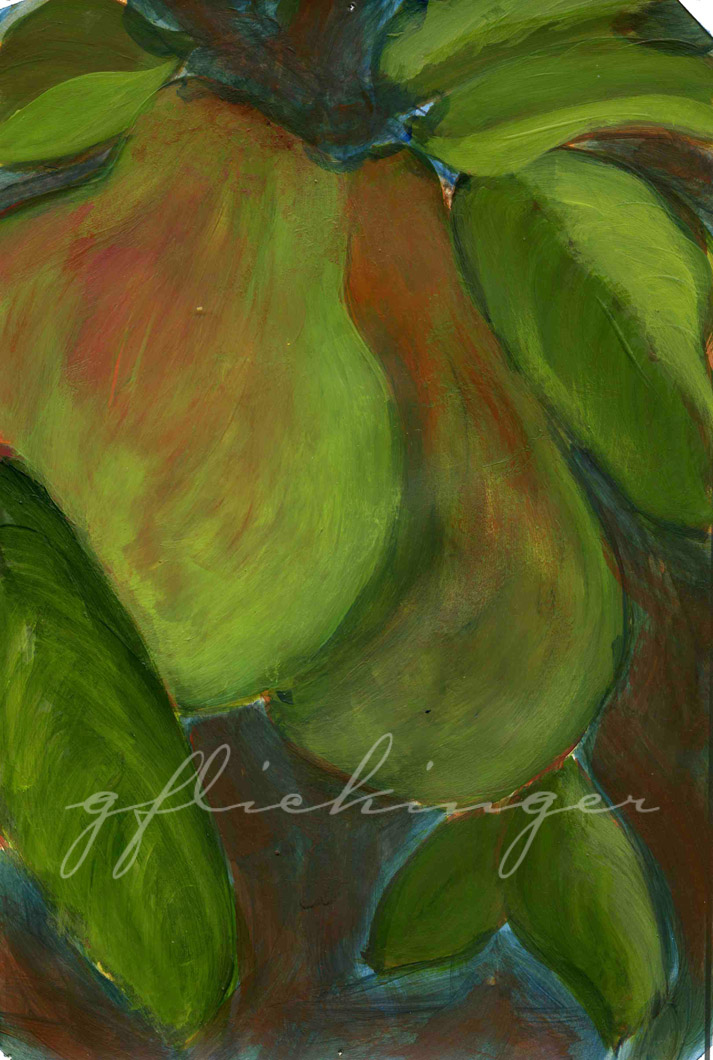
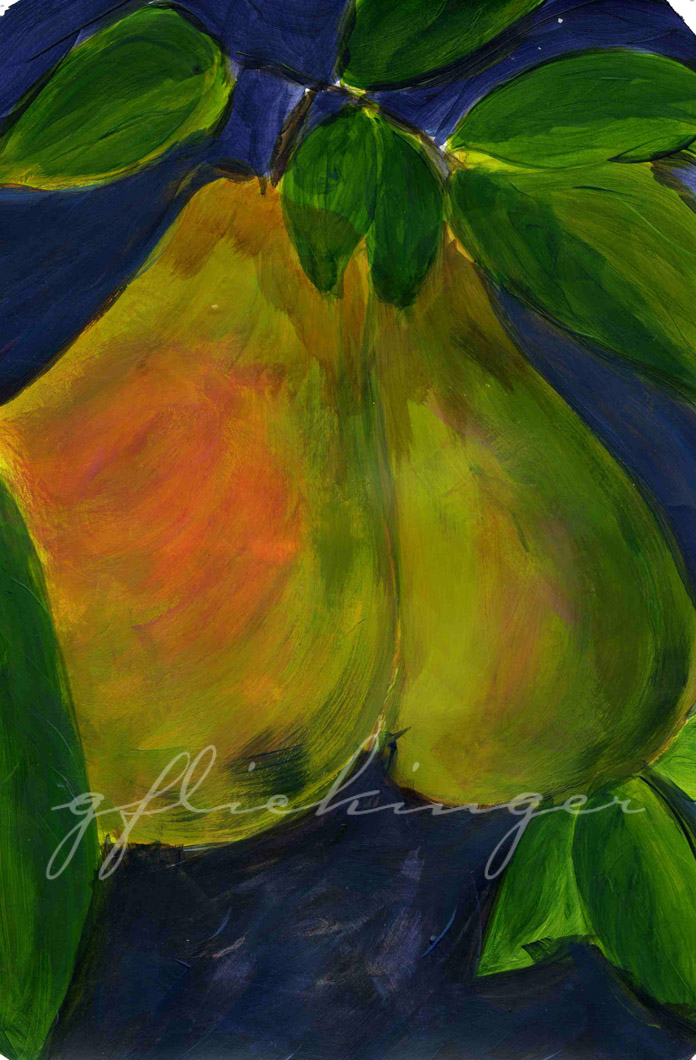
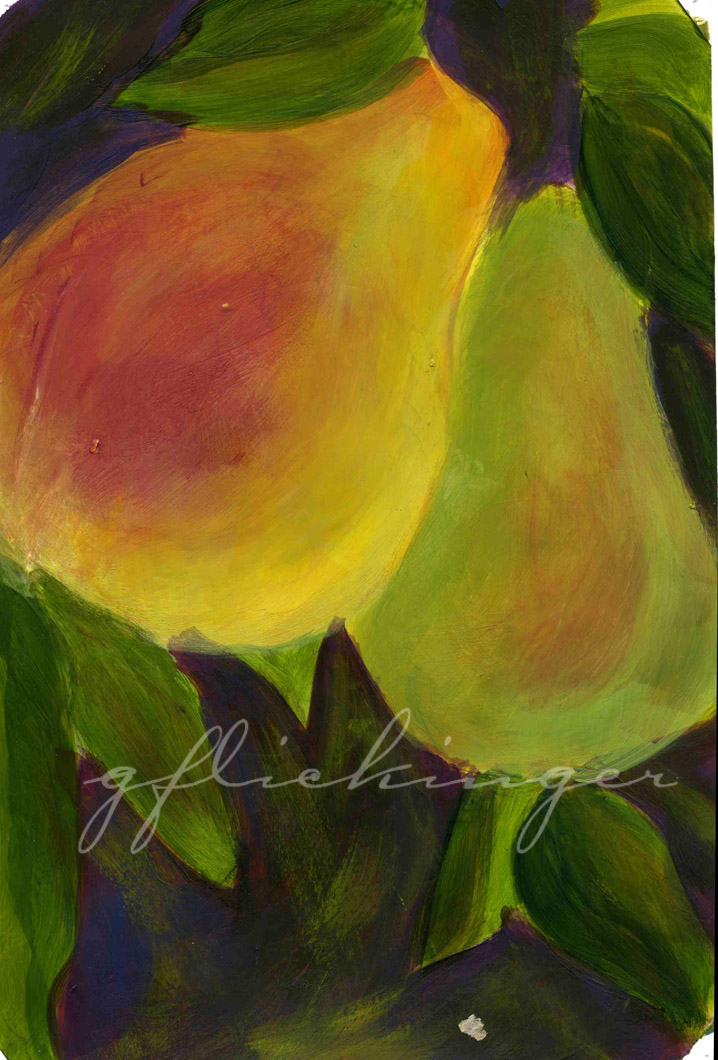
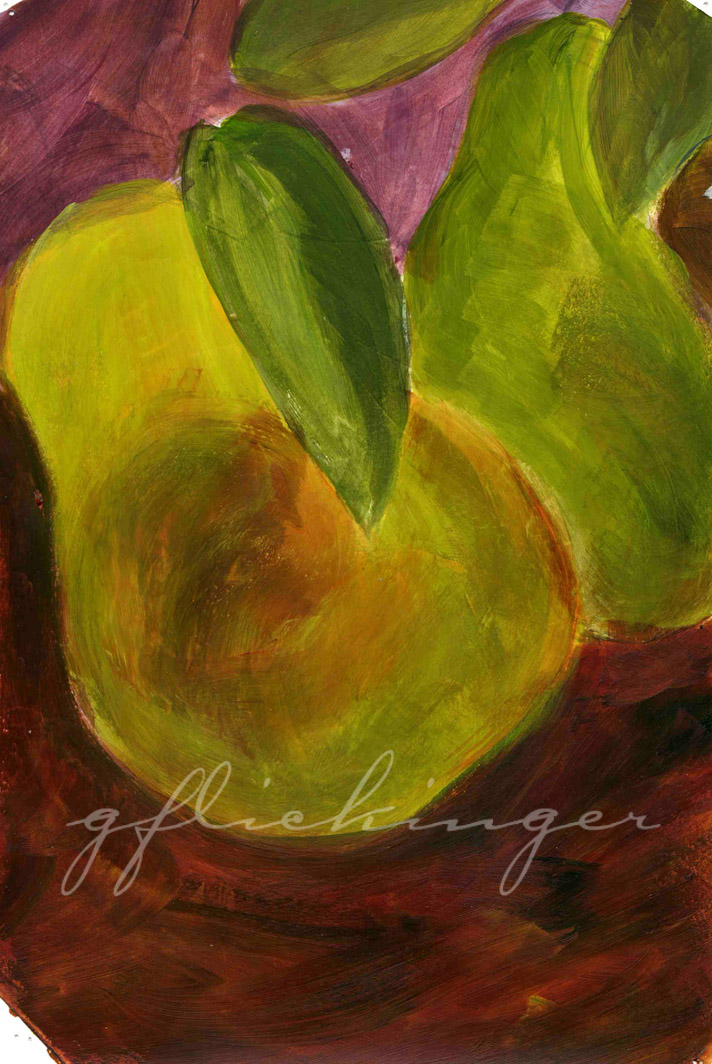
I AM PART OF A GROUP OF 15 ARTISTS taking part in a large scale painting  project/collaboration for the restaurant dining room at the college where I take painting classes. There will be three ‘paintings’, each one consisting of five 2′ x 3′ canvases hung together to create a final piece 10′ x 3′. The group paintings will hang in rotation over the next year or so. Each painting will be able to hang as its own work, independent of the other four. One ‘painting’ is an abstract, one a laden table reminiscent of a Renaissance-style painting, and the one I am part of consists of fruit and vegetables; specifically pears, carrots, swiss chard, eggplant and apples shown in their growing environment.

With the abstract and laden table groups, each person paints a section so that the five when hung read as one painting; a scenic landscape of sorts. What sets our group painting apart is that each canvas will have a fruit or vegetable subject unrelated to the one it will hang next to. We will need to find a way to unify the group, with a similar background color or overlapping leaves from one canvas to the next. I am excited to see the final results and will share the whole project as we finish. We are at the study stage to work out color and composition and about ready to start the painting. These are small, 7″ x 10″ studies in acrylic on paper.

Pear study #1

Pear study #1

Pear study #2

Pear study #2

Pear study #3

Pear study #3

Pear study #4

Pear study #4


BEAUTIFUL BRUSSELS SPROUTS

Tags

, , ,


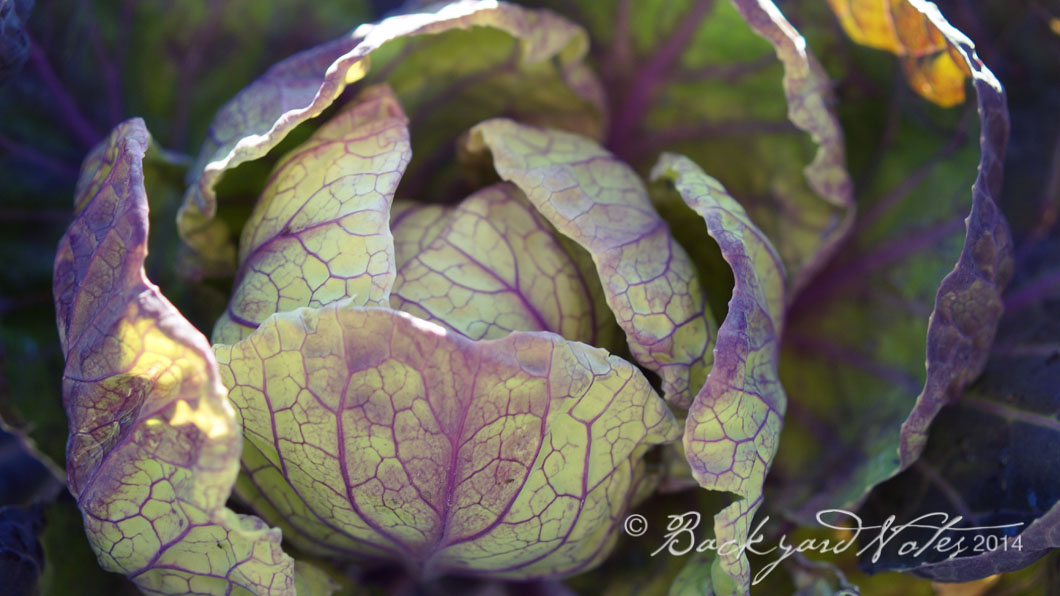
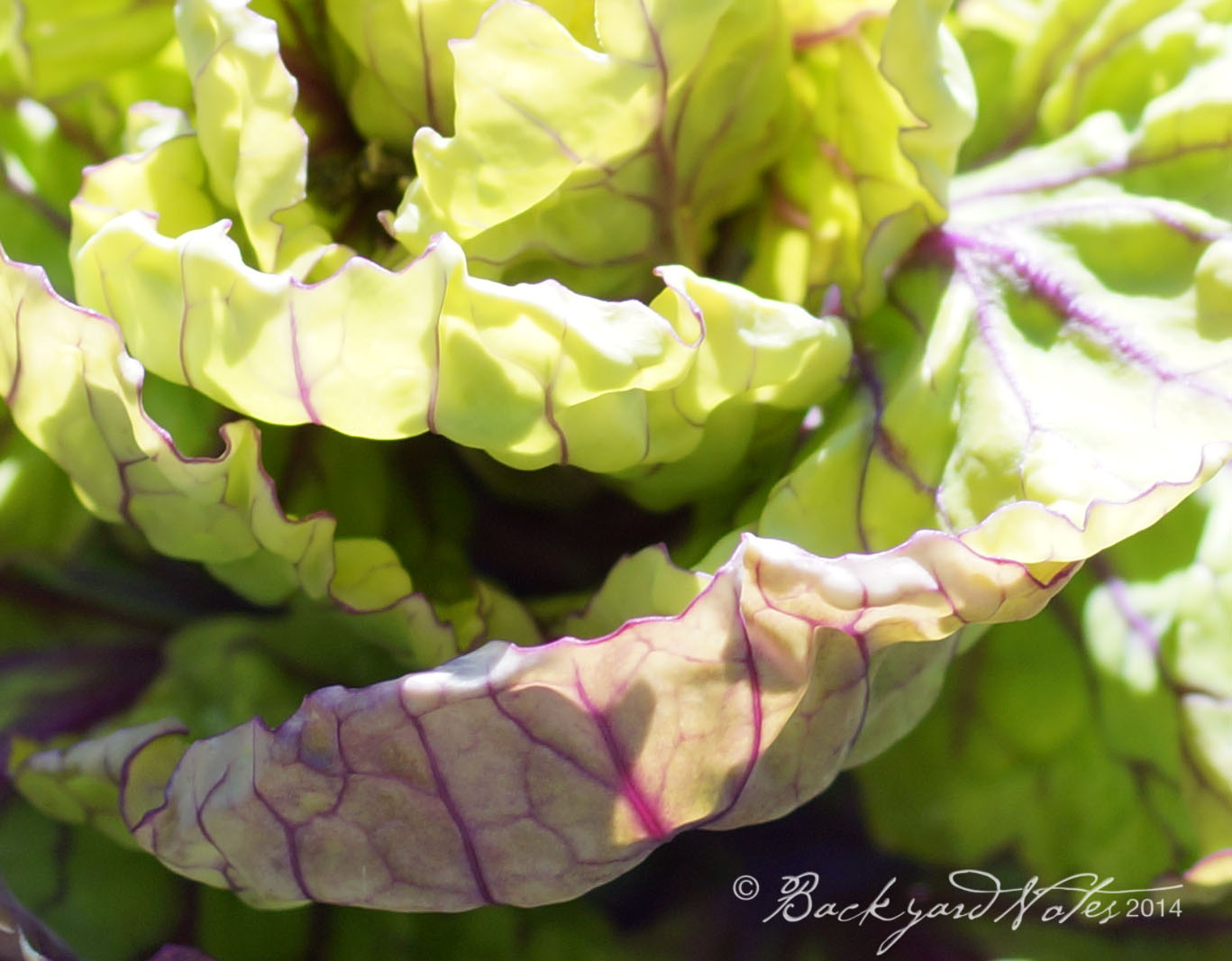
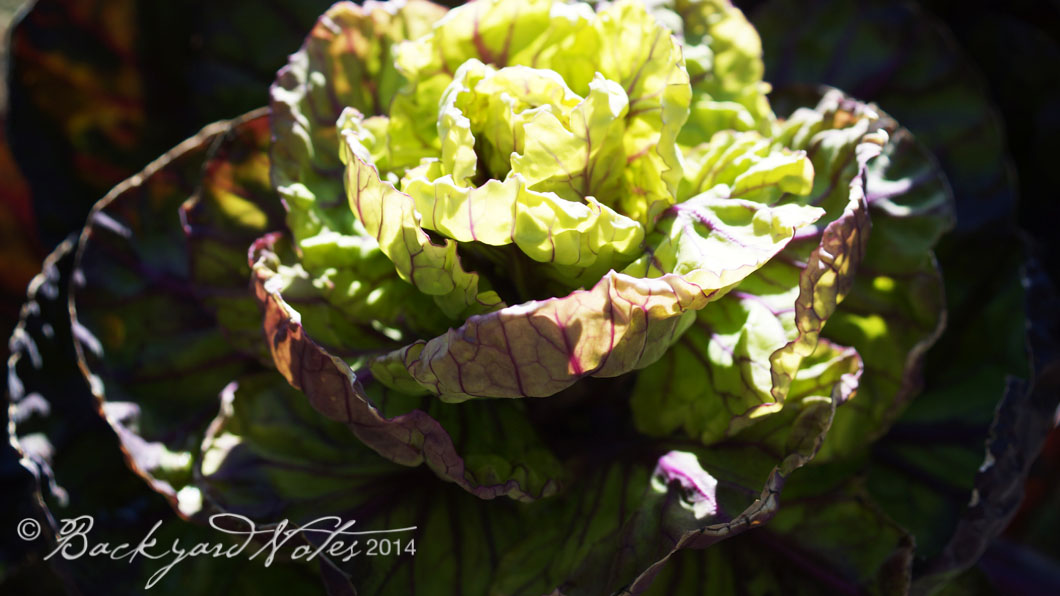
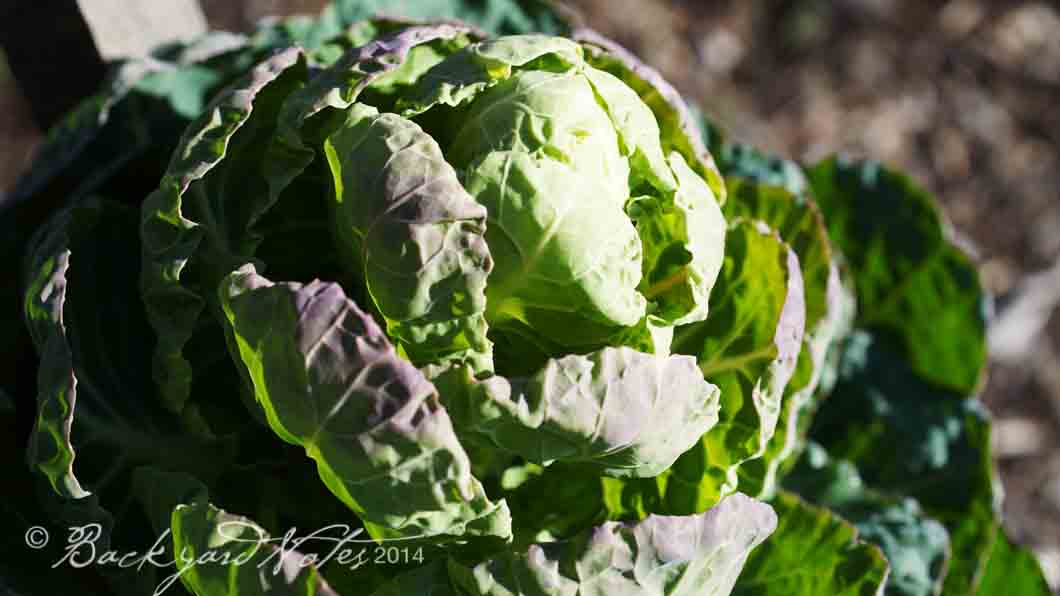
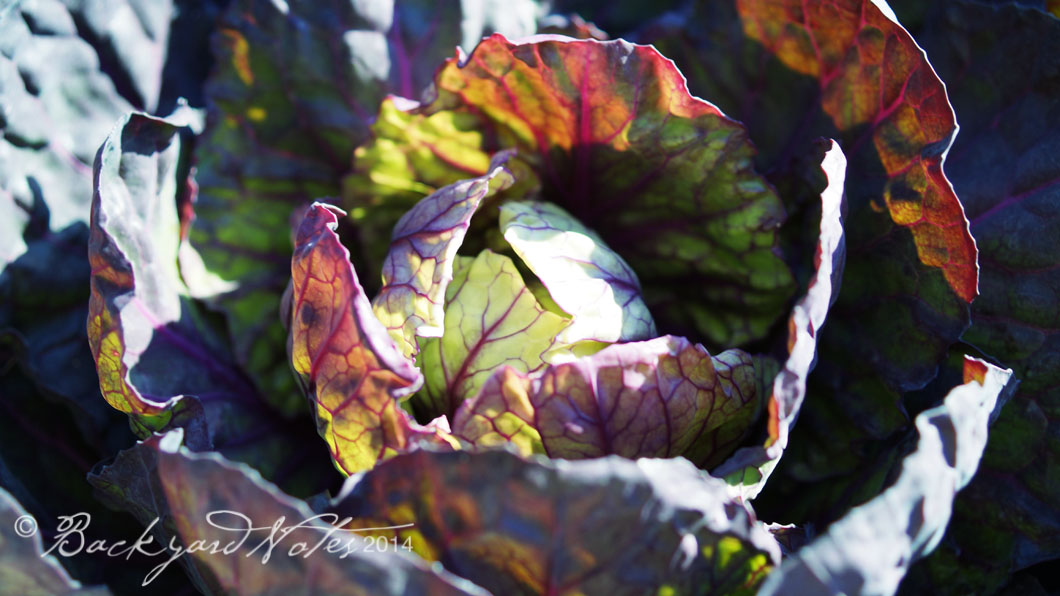
AROUND THIS TIME OF YEAR, Brussels sprout plants want to complete their journey to flower and set seed. The crown of the plant begins to open up and resembles a cabbage of sorts. I find them incredibly beautiful in both form and color, especially in the light of late afternoon sun. The varieties shown here are Rubine and Bubbles.

BS_Rubine_top3 BS_crop BS_Rubine_top4

Bubbles

Bubbles

Rubine # 2

Rubine # 2

Rubine #1

Rubine #1