FAREWELL SAVANNAH,GREETINGS FROM FLORIDA & ALABAMA

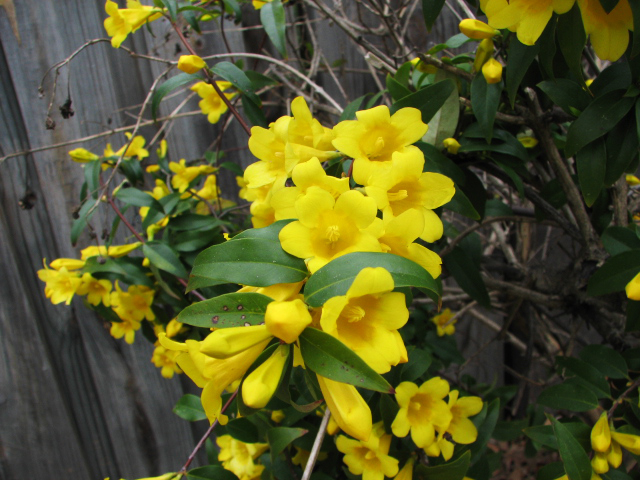
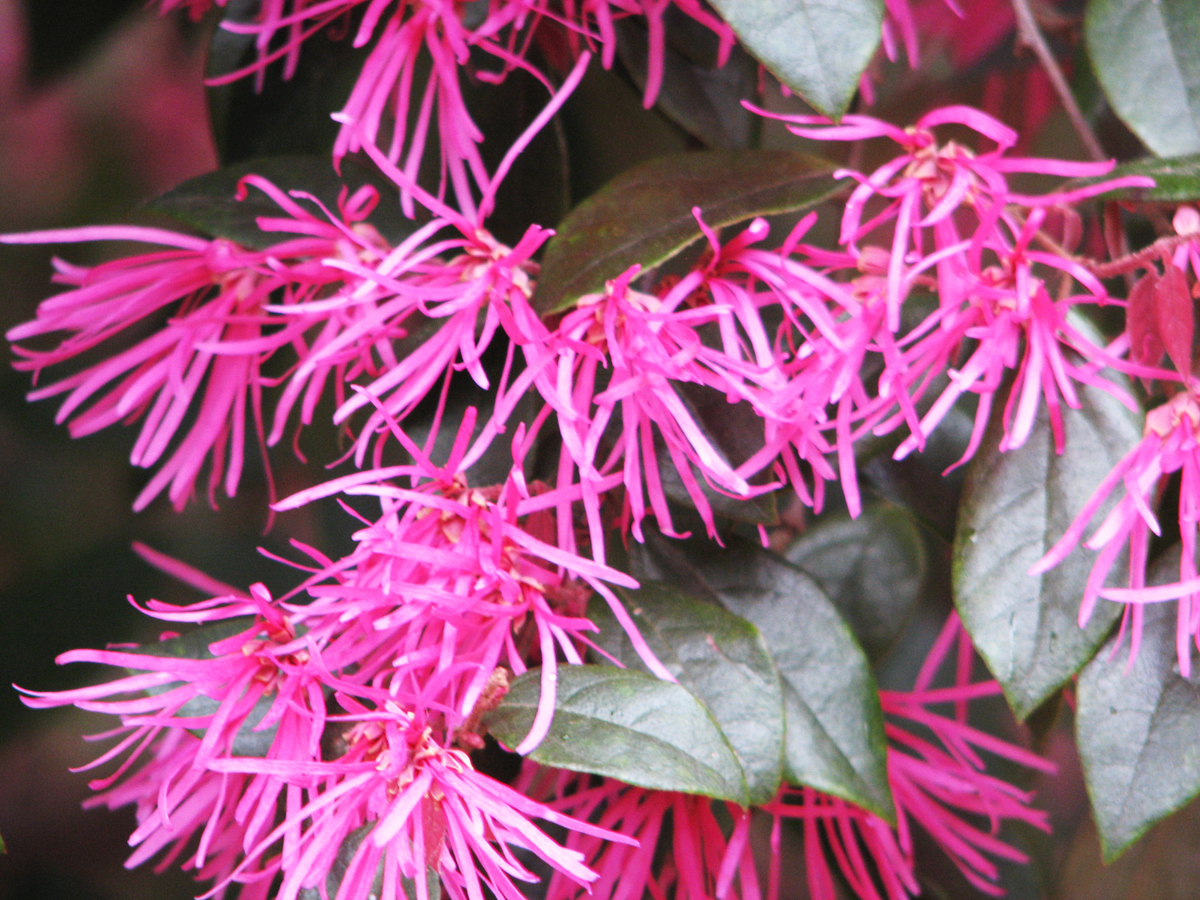
JUST A FEW PARTING NOTES FROM SAVANNAH. I wanted to include a few more photos from Savannah, some flowers and two of my favorite photos before closing out this chapter of the trip.

The yellow flower required a little investigative work on the USDA plant site and I am still not positive about the identity; I think it is Allamanda. It was growing at the edge of a sidewalk fence in the Victorian district. The magenta colored Fringe flower, Loropetalum chinense is a smallish shrub, maybe to ten feet or so and I have seen it from Savannah to Appalachicola, and will grow in the northwest.

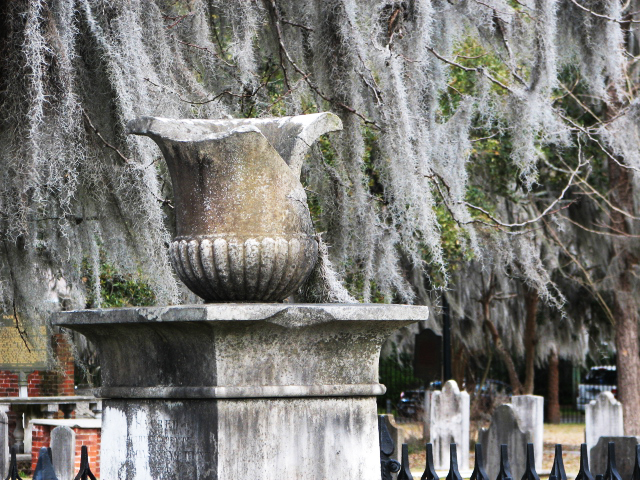
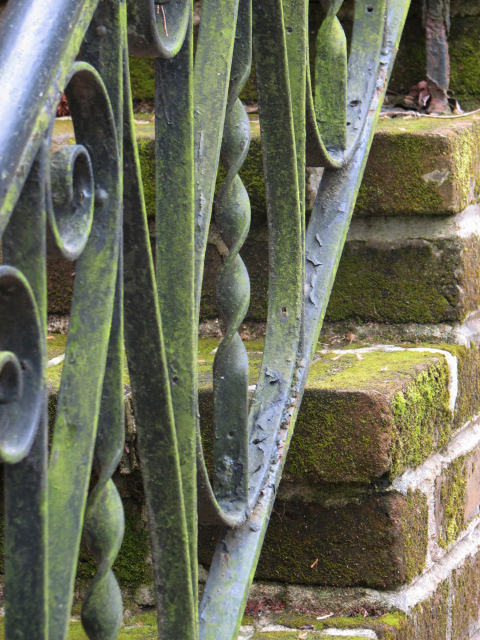
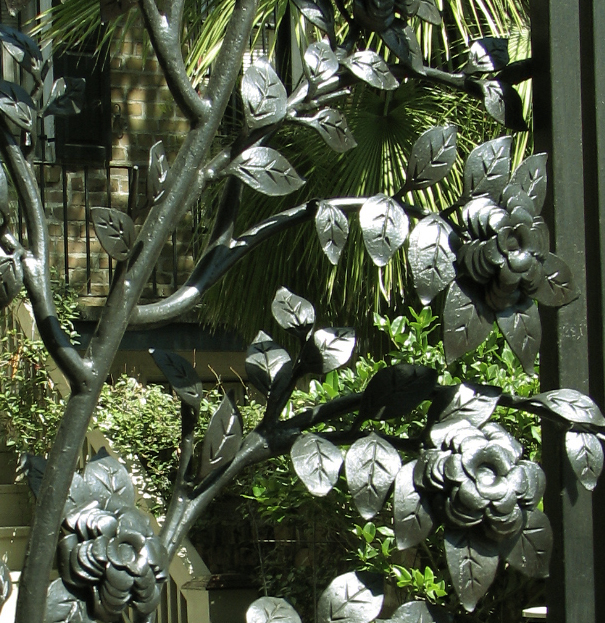
Next two photos are from the Colonial Park Cemetery (no longer accepting interments) and a wrought iron detail that caught my eye.

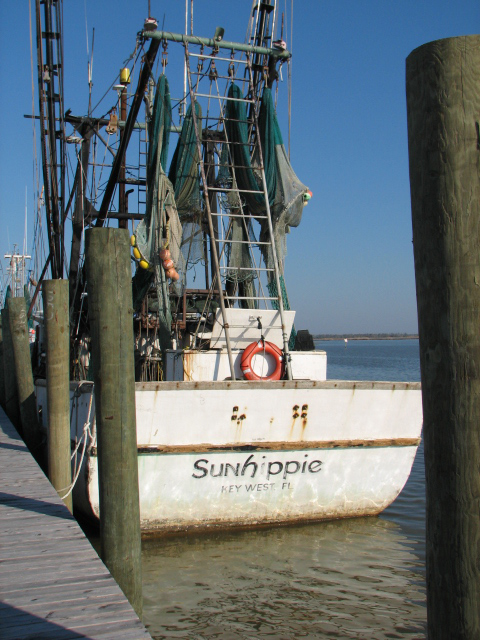
After leaving Savannah on Thursday morning we drove southwest towards Valdosta, Georgia and then south to the Florida panhandle city of Appalachicola on the Gulf of Mexico, where we stayed for the night at the Gibson Inn; charming with one haunted room. Jood opted for that one. This portion of the Florida coast is low key and not overly developed as the cities of Panama City and Pensacola are. We had incredibly fresh oysters and shrimp that most probably came from a boat like this one.

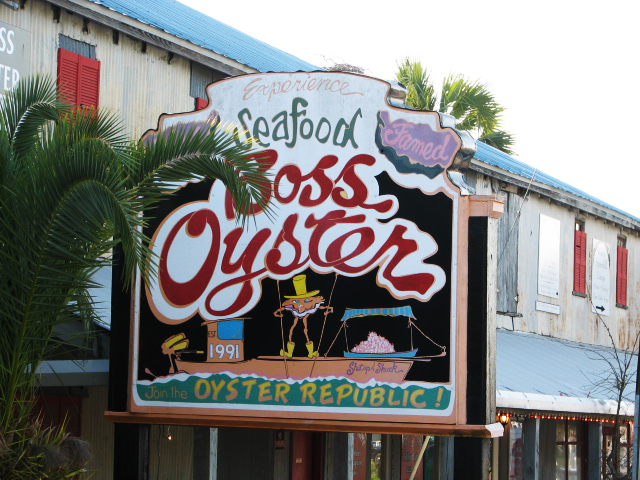
We ate the shrimp and oysters at this busy restaurant, Boss Oyster.

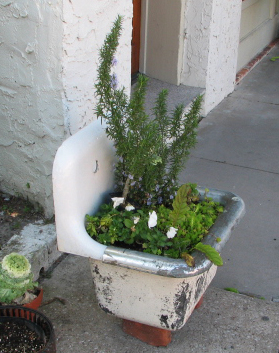
And, since this blog is supposed to be about things botanical, this clever planter on a sidewalk.

We left Appalachicola about 11:00 a.m. and drove west to Mobile, Alabama where we stayed for the night. We are leaving this morning for New Orleans and some great food is ahead!

ST. PATRICK’S DAY IN SAVANNAH

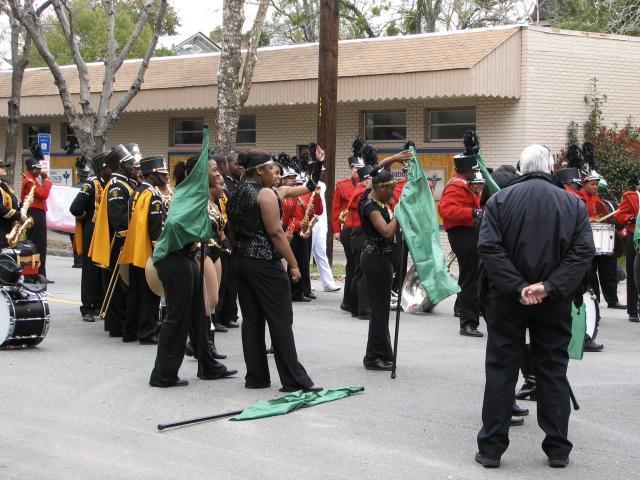
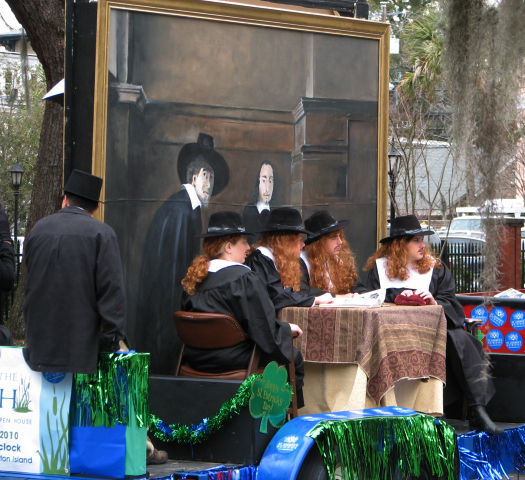
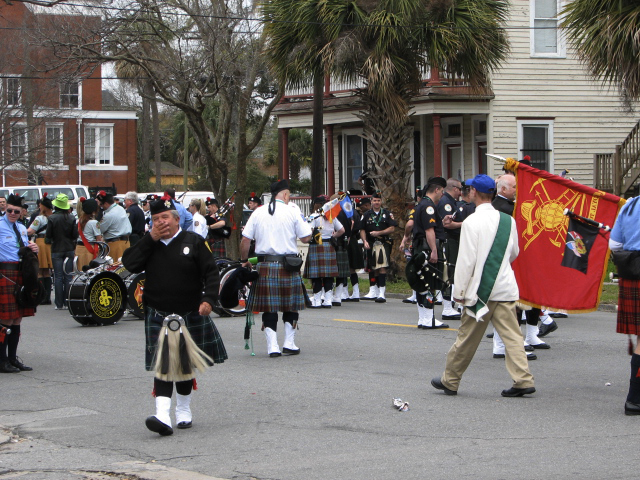
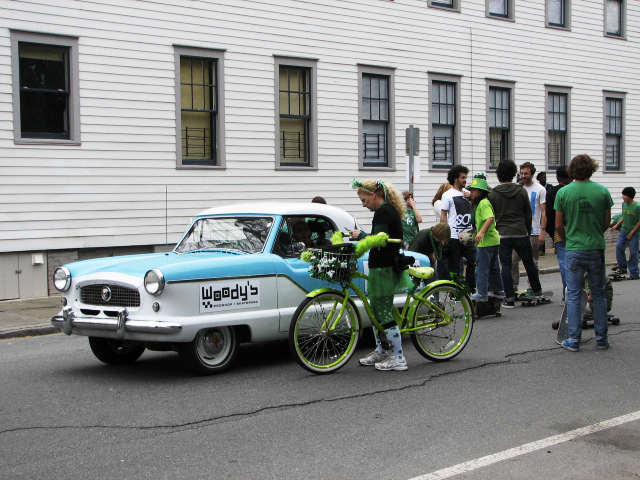
WELL, TODAY IS THE BIG DAY HERE and several hundred thousand spectators and revelers are expected to participate in the celebration. People were already setting up chairs and other parade viewing essentials by 8:00 a.m. this morning on Bay Street in front of our hotel. Jood, Dave and I saw the parade from the best possible vantage points-the staging areas! We watched a large portion of the paraders while they were waiting for their turns to join the parade.

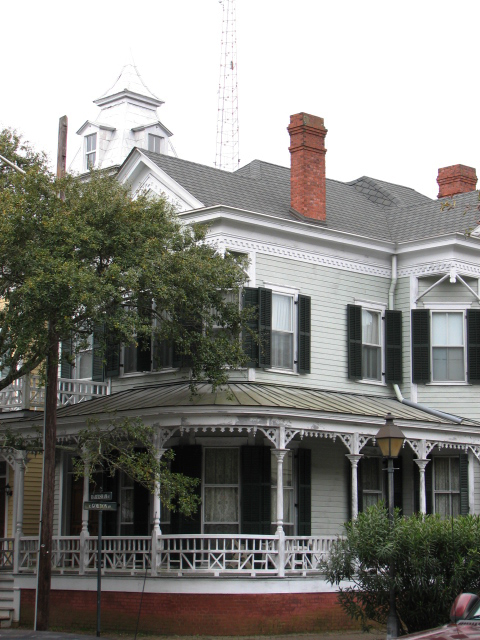
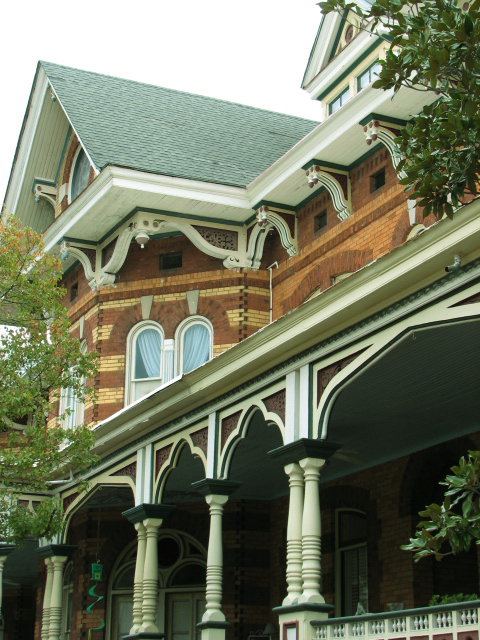
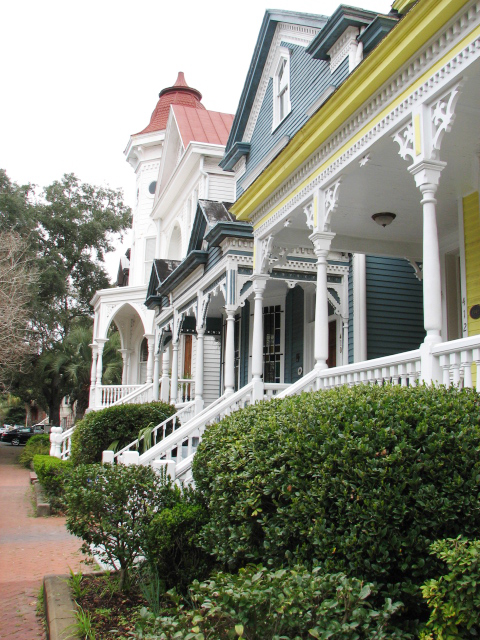
Much better than standing on the sidewalk or watching from our hotel room for hours! Plus, we saw the Victorian section at the same time. The  most unusual Victorian was a large multi-residence constructed of brick.

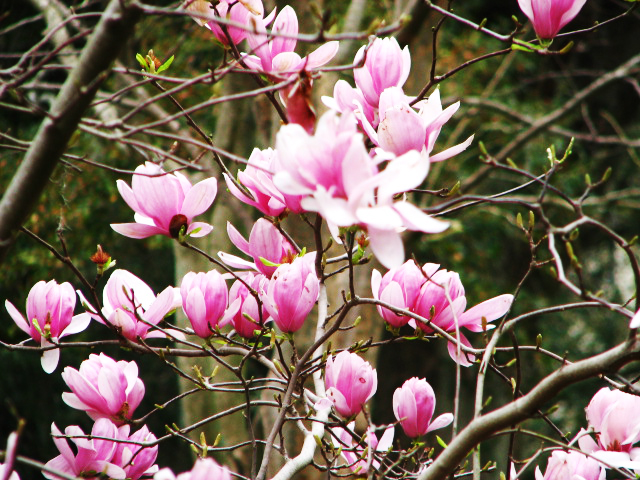
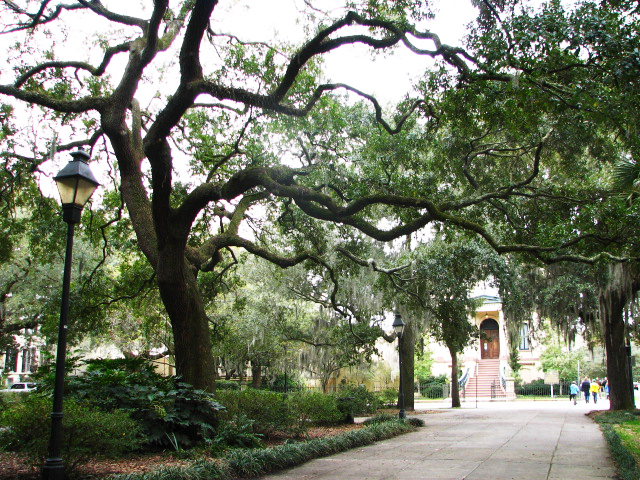
Most of the Victorian homes were around Forsyth Park, the largest in the historic district, with an outdoor stage, large central fountain and lots of oak and other trees. I saw at least one  pink magnolia in bloom and a structurally beautiful oak at one corner of the park.

We even beat the post parade goer’s to lunch at what appeared to be a longtime local favorite tavern/restaurant. (We had an excellent lunch.) When we went back outside the parade was in the last stages and we saw the same folks from hours earlier and the rain had started. All the bars and taverns we passed were full. The riverfront, where we are staying is the site of a huge party, bite of seattle style, but a tenth of the size. Today is a local  holiday, no school, many, many businesses closed-even the post office in the downtown area. Banks remained open.

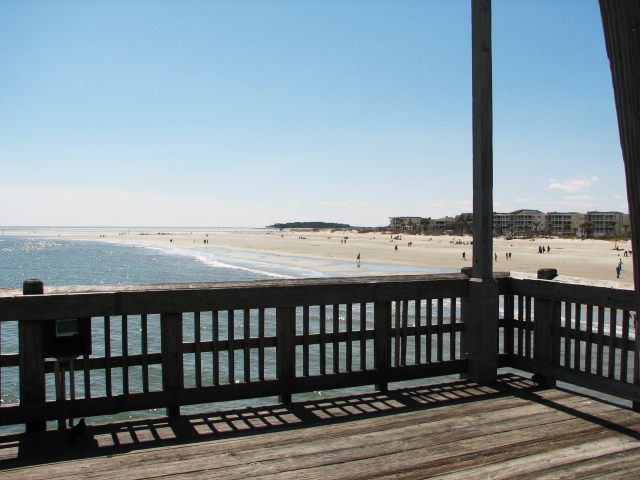
YESTERDAY we picked up the rental car and drove to Tybee Island, east and downriver from Savannah on the Atlantic Ocean. Tybee Island is the beach spot and looks like a typical beach town. We had beautiful, sunny weather and probably mid-sixties. From Tybee we checked Isle of Hope on the way back to Savannah. A charming little community with beautiful homes close to the beach and lots of boats.

Tomorrow we head towards New Orleans. I hope to  make another blog post between now and then.

SOUTH, TO SAVANNAH

THE NEXT TEN DAYS WILL BE A SPENT AWAY FROM WEST SEATTLE, so most posts will be reflective of our trip, including all things botanical and otherwise interesting. We are spending four nights here in Savannah, Georgia and then will travel west to New Orleans, Louisiana on Thursday.

We arrived yesterday morning after taking a red-eye flight from Seattle with our friends Dave & Jood. Today was our first day of walking in the historic district of Savannah, Georgia. Savannah is St. Patrick’s Day crazy and the largest St. Patrick’s day celebration in the south! The party began on Thursday and ends at midnight on the 17th.

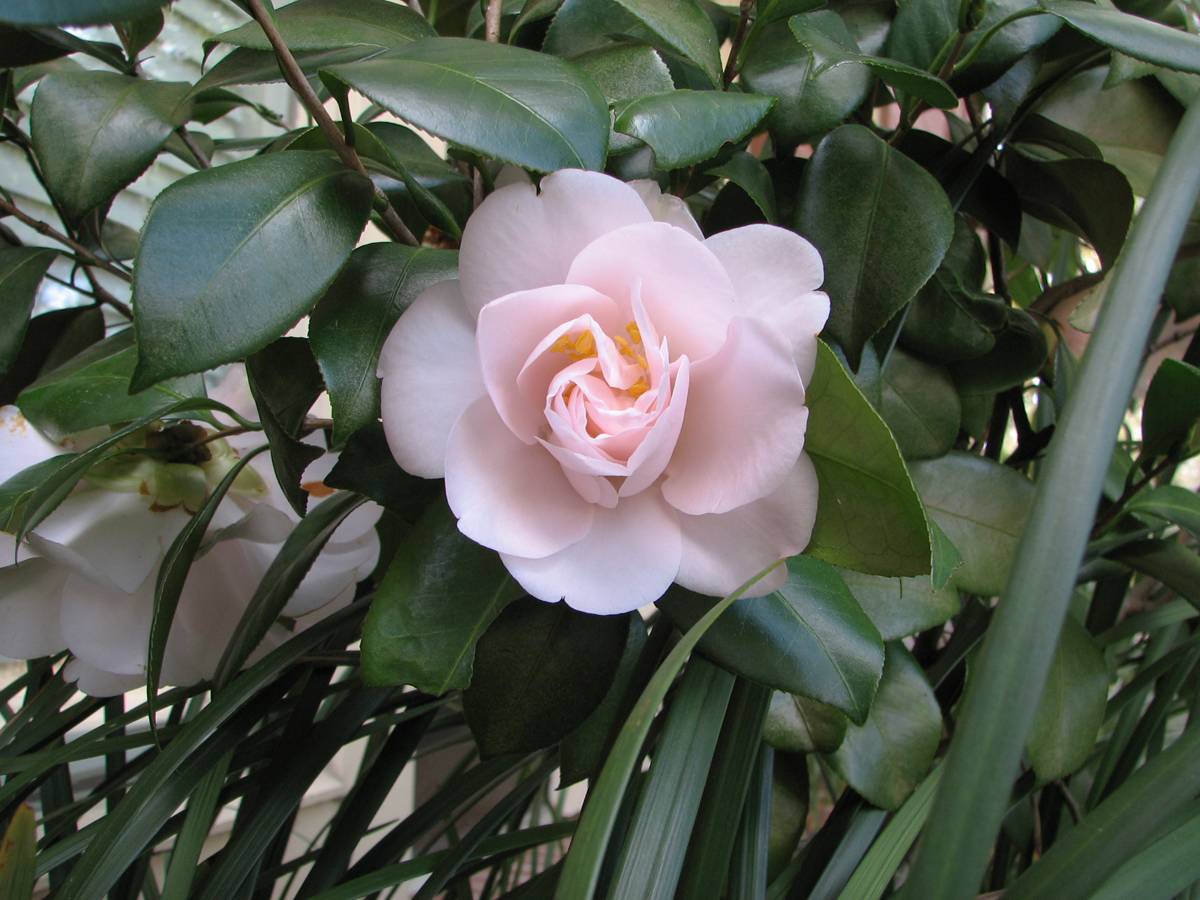
I have read that the southern states are noted for camelias and azaleas that bloom this time of the year, so I am looking forward to seeing them. A few photos from today’s wanderings, including this lovely pink camelia.

Flowers seem to be a popular theme for gates and other wrought iron work, like this one with camelias; it was a massive, double gate for the driveway entrance to a home.

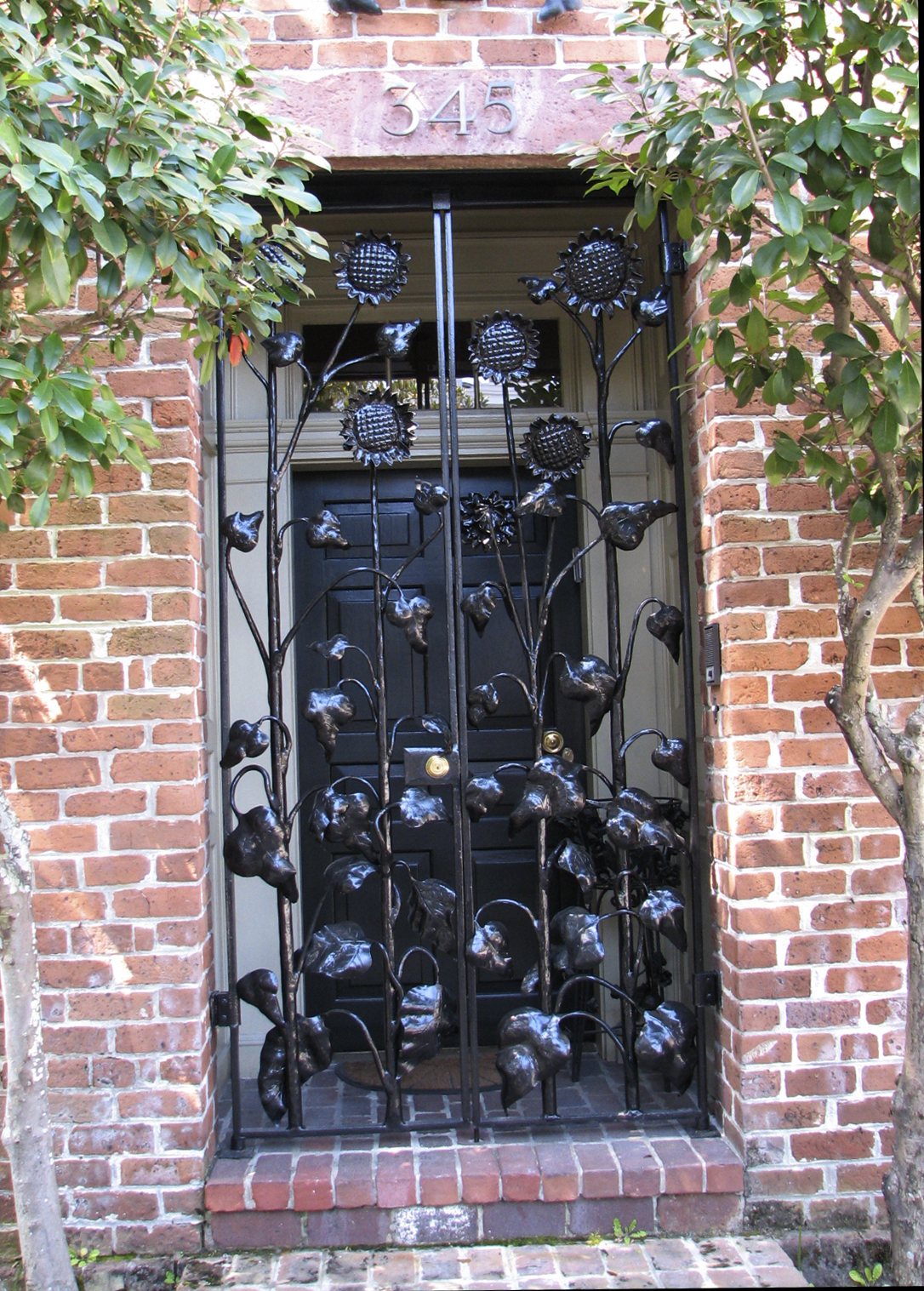
And this sunflower entry gate. Lots of brick homes with wrought iron gates, railings and window details.

GOOD PLANT, BAD PLANT

Tags

, , ,

TIME TO BE FRANK THAT ALL IS NOT ALWAYS WELL IN THE GARDEN. A weeding session on Saturday prompted this meditation about what constitutes a bad plant. A bad plant is one that does not respect its neighbors by encroaching and runs rampant without invitation. It is a thug, invader, pest, and a bane to good riddance. The particular plant that brought this to mind is campanula persicifolia. While the white and blue flowers are charming, it seeds with abandon and travels where it is unwanted by dense, underground root runs; it is most difficult to pull them out roots and all, because I can never get out all the roots. A good plant on the other hand is one that spreads slowly or stays put where planted, gives its’ neighbors plenty of space and is easily divided or easy to pull like a weed when there are too many. This is of course, highly subjective and subject to local conditions and tastes! I unknowingly accepted a small piece of this plant from a friend who had received it from her neighbor and now it shows up everywhere and far from the original location.

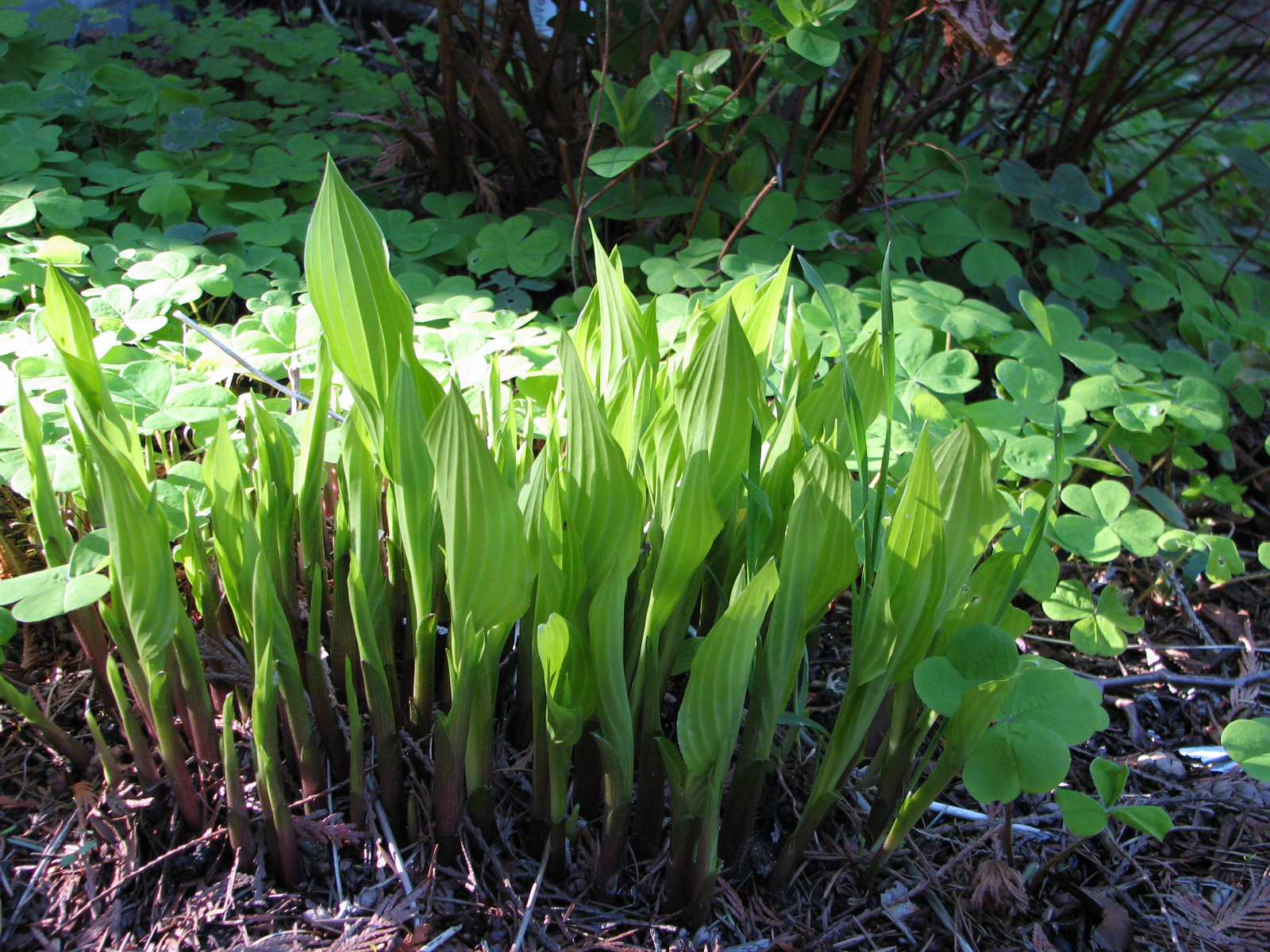
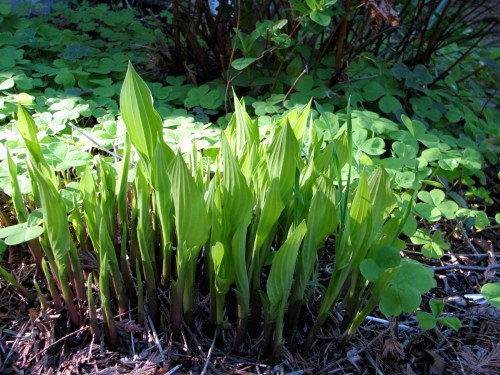
I noticed that the first hosta is shooting up and there is oxalis oregana (wood sorrel) around it and for me, oxalis is a pernicious pest so, it too, became part this screed. The roots probably came along with a small native iris from Grandma T’s garden. It looks great in a large shady area under tall trees or rhododendrons, but I have a relatively small garden. Luckily it is largely confined to one area of the garden and every year I rip out as many of its’ roots as I can find as soon as the leaves start to appear; the fleshy roots can be up to eight inches deep. Another univited plant is a rampant alstromeria that came along with polygonatum hirtum (Solomon’s seal) from another friend’s garden. The Solomon’s Seal is stately and elegant with lovely white, late spring flowers is pretty well mannered in a shady dry spot with no supplemental irrigation, but it too can spread unchecked in more favorable conditions.

So what this all comes down to is be alert and if possible do a little homework before you take home that ‘have to have it’ or friendship plant. We all become enamored of some plant(s) that we just have to have, and on occasion experience a lapse in good judgment. Even if when we know better we bring it home anyway and plant it because we know that it will behave in my garden. Be vigilant and look for the unwanted hitch hiker when unpotting plants you receive from friends. If possible read about your plant and the conditions it likes, before planting! This is especially true with ground cover plants; there are lots of great ground covers, most are well behaved and spread slowly and are easy to control, but others, while quite attractive, are very invasive and need containment. Right plant, right location–easier said than done sometimes!

The first hosta to emerge is hosta ‘Lancifolia’,  (also from Grandma T’s garden). I love the funnel shaped leaves as they push up skyward through the earth and slowly unfurl and lay outward. The leaves are a medium green, lightly ribbed and  shiny. (It’s sharing a a somewhat isolated spot with oxalis)
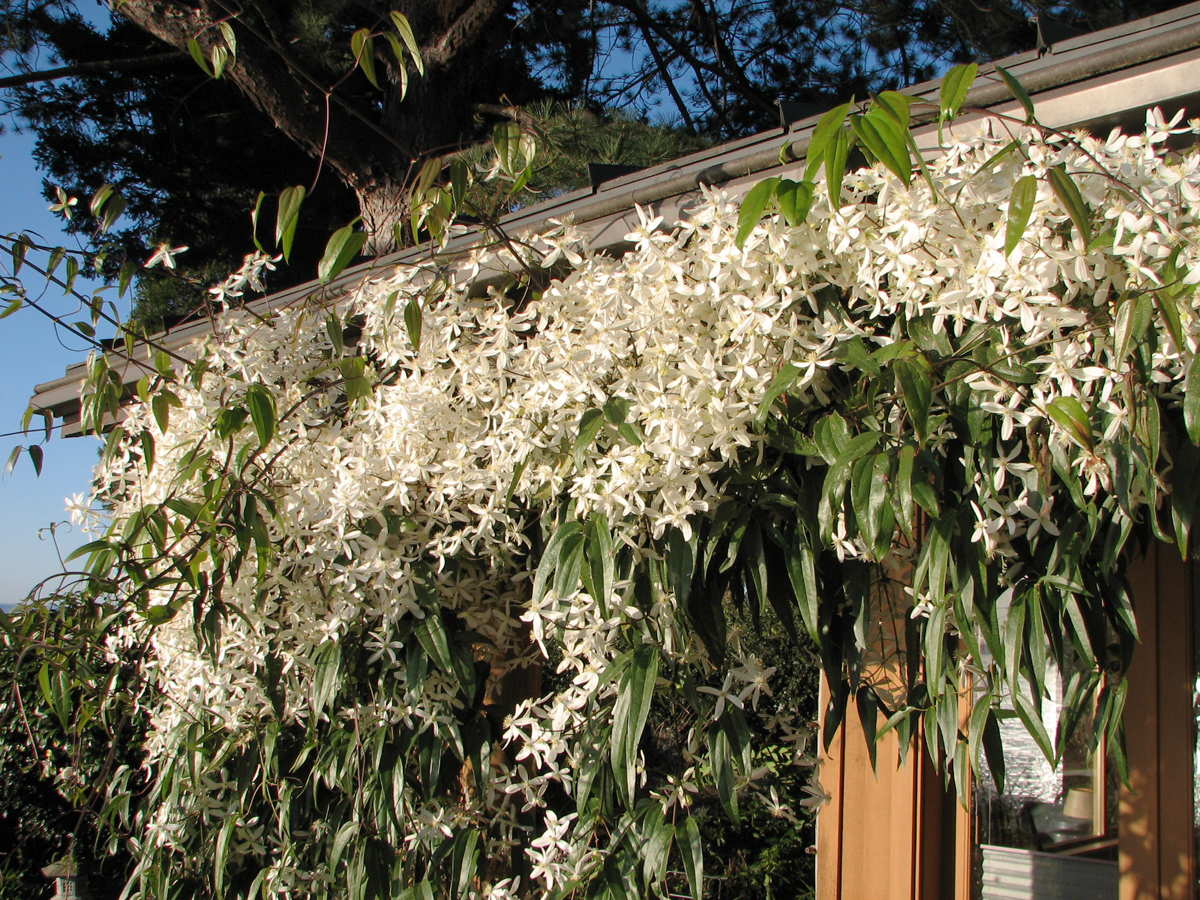
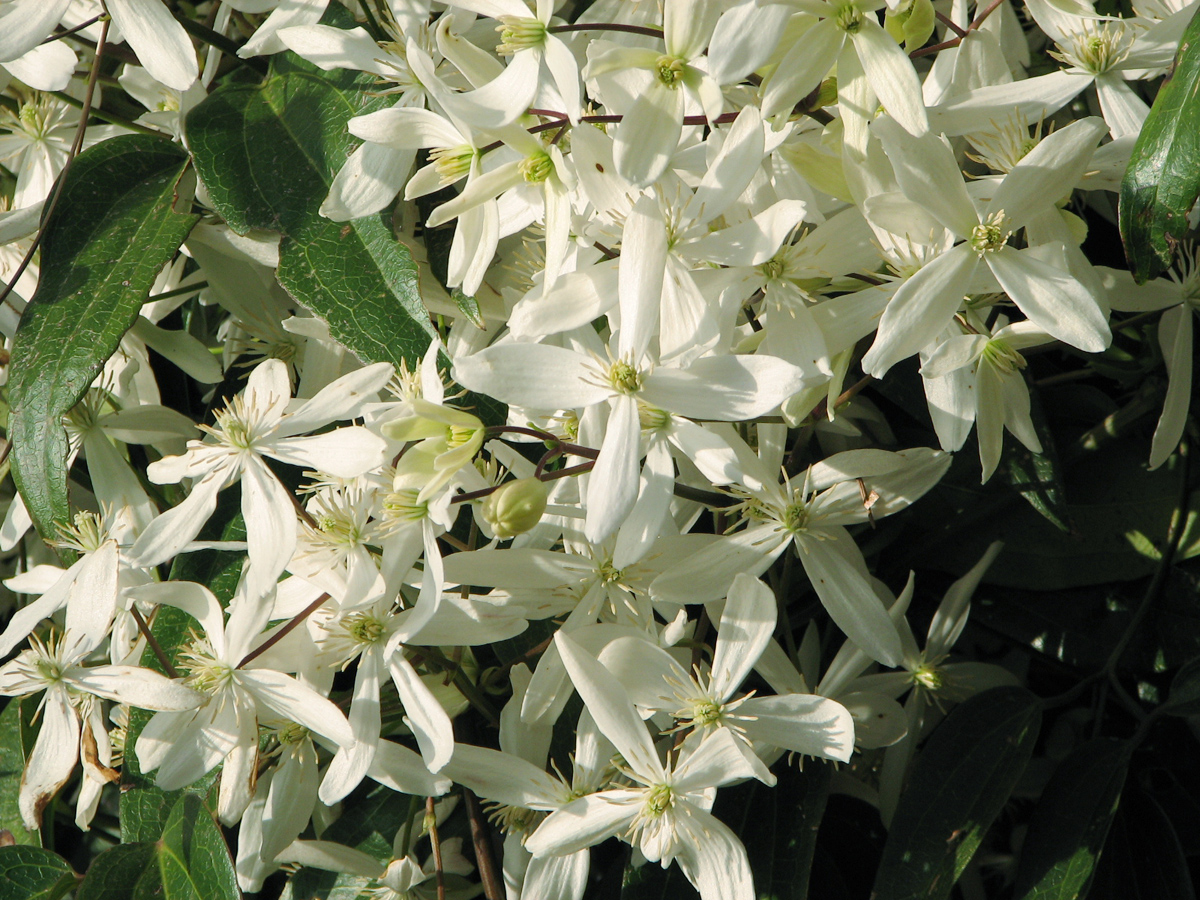
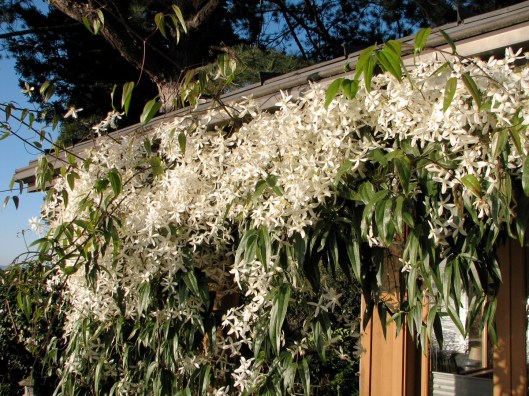
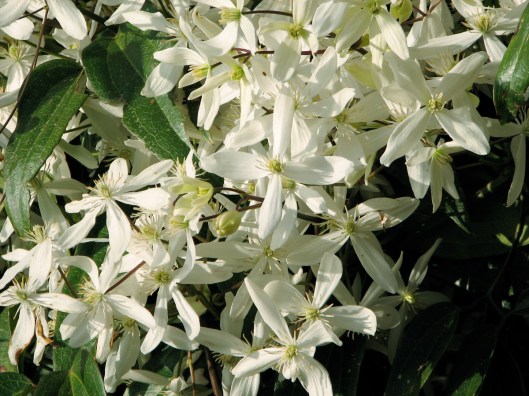
Glorious on a warm, sunny afternoon is clematis armandii, with an abundance of fragrant flowers. It is evergreen and will grow fifteen-twenty feet in a season. We have two that run along the edge of our L-shaped covered porch, one planted at each end. They are severely pruned back every other year and require some frequent tidying since they run along the roof edge just under the gutters.
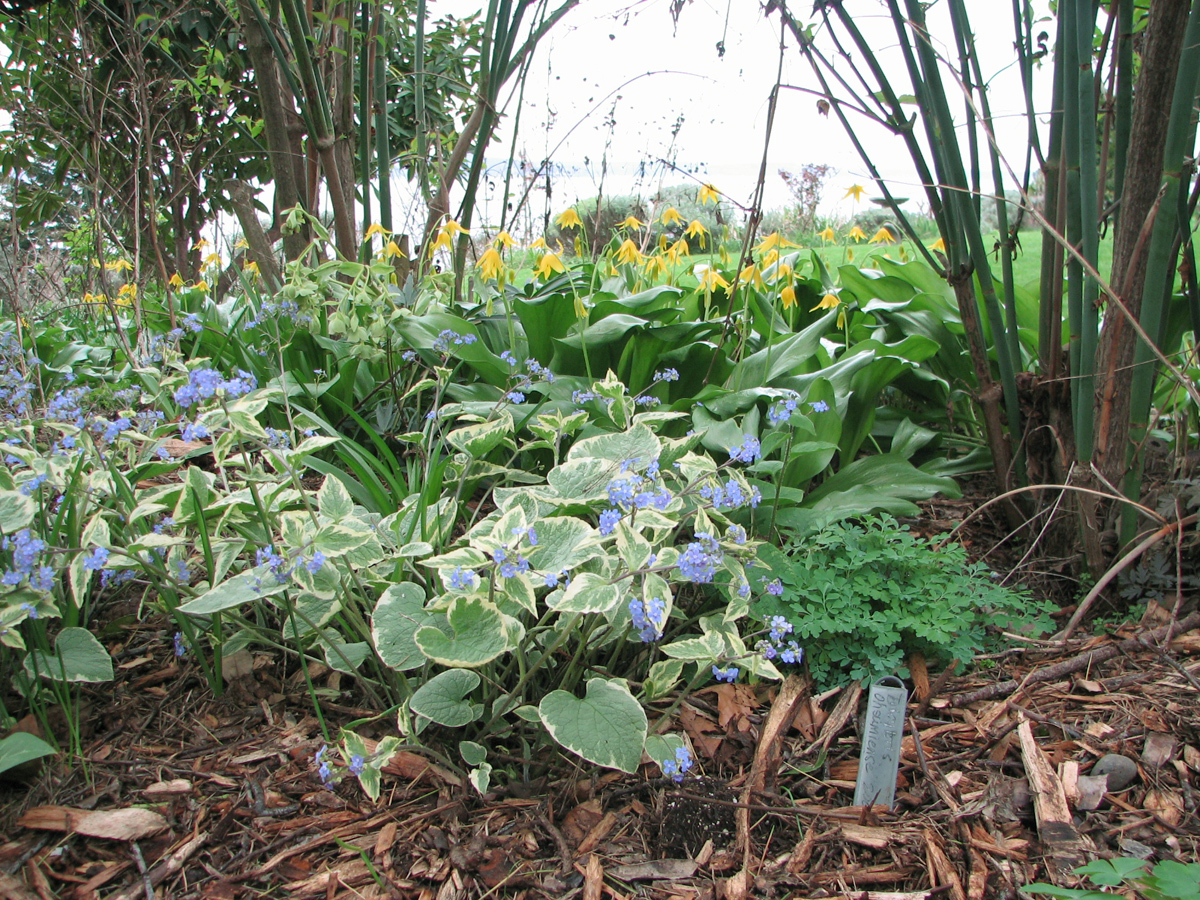
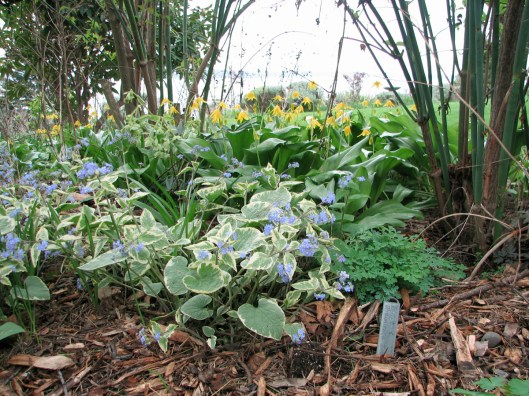
As the erythronium continue to bloom the dainty blue flowers of brunnera macrophylla ‘Hadspen Cream’ on the other side make a nice contrast to the bright yellow flowers.

COUNTING CAMELIAS

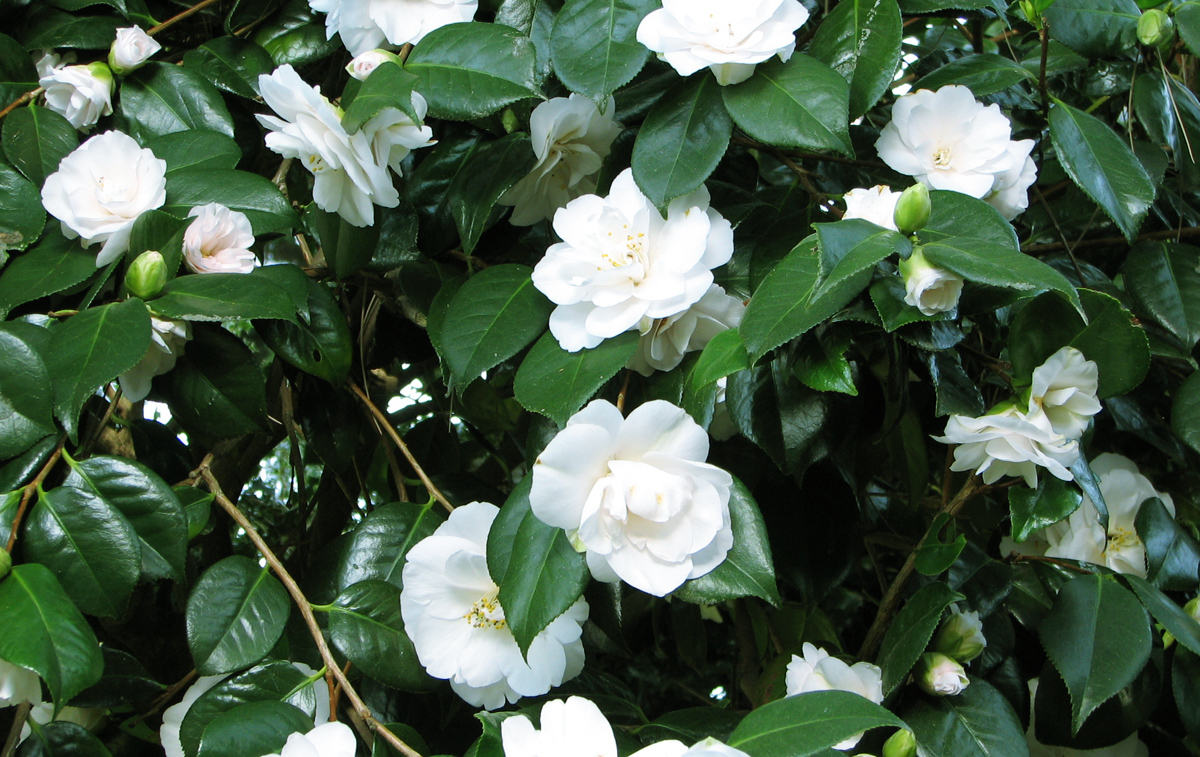
THERE ARE THREE CAMELIAS IN AND AROUND THE GARDEN. One camelia is along the property line border and is quite old (guess is sixty + years old). It blooms last here. Freedom Bell, the small pink one that we planted os nearby blooms first. A very beautiful white one is on the north side of the property and is probably fifty+and one of the many trees and shrubs we were able to preserve when we built the house, blooms next; so, it too is a legacy plant. I have no idea what variety this one is, but would sure like to know. We have kept it in has a umbrella shape and it is pruned high up to expose the form. But,  like all camelias it has a vigorous growth habit, so annual pruning after flowering is in order. The petals are very white, feel like thick silk and are susceptible to rain, turning brown at the first drops. It blooms over a very long period, usually from late February into April. The morning light was just right for this photo.